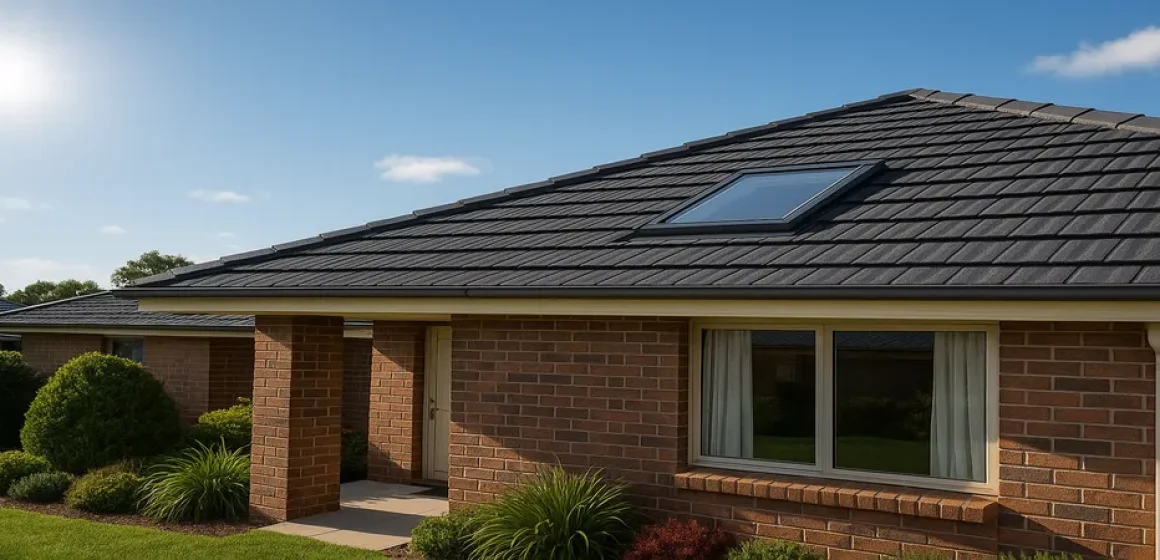
Skylight Solutions for Ipswich & Surrounding Areas: Spotlight on Queensland Homes
Located just west of Brisbane, Ipswich boasts warm summers, mild winters, and a growing population seeking affordable housing close to city amenities. Installing skylights can transform darker interiors into bright, energy-saving spaces—yet Queensland’s subtropical climate, occasional storm season, and local bushfire zones (in some outskirts) create unique hurdles. This article spotlights key challenges that Ipswich-area homeowners face when choosing skylights and practical solutions to ensure code compliance, comfort, and year-round benefits.
Challenges & Solutions: Skylights in Ipswich’s Subtropical Climate
Challenge 1: Handling Intense Sunshine and Heat
The Issue:
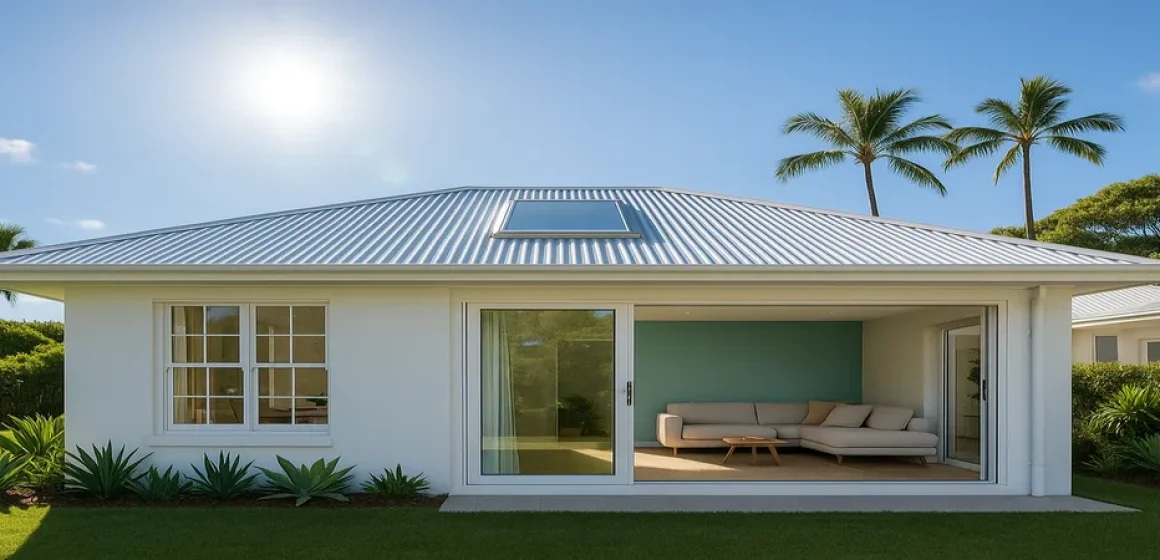
- Ipswich summers often top 35°C, with high humidity. Overhead glazing might intensify indoor heat if poorly chosen.
The Solution:
- Double or Triple Glazing with Low-E Coatings
- Reflects a significant portion of solar heat, reducing indoor temperature spikes.
- A small step up in cost from single glazing but delivers big returns in lower cooling bills.
- Built-In Blinds or External Awnings
- Provide flexible shading during peak midday sun.
- Automated blinds can open and close based on temperature sensors, saving energy and occupant hassle.
- Proper Orientation
- If possible, place skylights on roof slopes receiving gentler morning light (east or south in QLD’s context) to avoid blistering midday western sun.
Challenge 2: Subtropical Storms & Heavy Rain
The Issue:
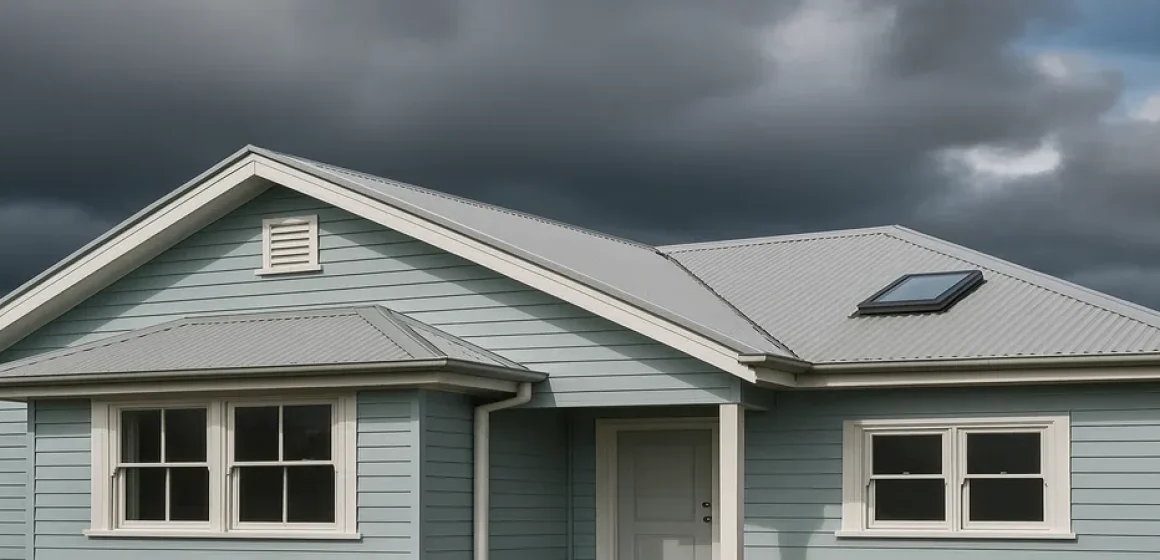
- Queensland’s storm season (often November–March) brings intense downpours, hail in some cases, and strong winds. Skylights risk leaks or breakage if not robust.
The Solution:
- High-Quality Flashing & Sealants
- Thoroughly tested flashing kits (meeting AS/NZS 4284 for weatherproofing) keep out wind-driven rain.
- Regularly re-check for lifting edges or cracked sealant after major storms.
- Toughened or Laminated Glass
- Overhead glazing in hail-prone Ipswich suburbs benefits from thicker or reinforced glass.
- Minimises the chance of breakage under severe storm impact.
- Rain Sensors or Motorised Closures (for Operable Skylights)
- Skylights automatically shut at the onset of rain, guarding interiors against sudden downpours.
- This feature especially helps if you’re away or can’t close them quickly.
Challenge 3: Potential Bushfire Zones on Ipswich Outskirts
The Issue:
- Western Ipswich or rural outskirts might be prone to bushfires. Skylight installations require ember-resistant materials if classified under certain BAL (Bushfire Attack Level) ratings.
The Solution:
- AS 3959 Compliance
- Use toughened/laminated glass, ember guards, and non-combustible frames to meet bushfire codes.
- Confirm your property’s BAL rating via local council or QFES (Queensland Fire and Emergency Services).
- Sealed Operable Skylights
- If an opening skylight is essential, ensure tight-closing frames plus metal mesh or screens to block embers.
- Regularly remove leaf litter around the skylight curb—especially crucial in bushfire season.
- Approach Council Early
- Ipswich City Council or relevant local shires may need to verify compliance with bushfire overlays if your suburb is near bushland. Proactively addressing requirements avoids last-minute approvals.
Challenge 4: Energy Efficiency & High Humidity
The Issue:
- Ipswich’s humidity can lead to condensation or mould near skylight frames in certain months. Additionally, homeowners seek ways to cut lighting and cooling costs.
The Solution:
- Operable Skylights + Ventilation
- Venting out warm, moist air helps keep indoor humidity balanced.
- Pair with exhaust fans in kitchens/bathrooms for maximum effect.
- Insulated Frames & Thermal Breaks
- Reduces heat bridging, especially where roof meets skylight edges.
- Minimises condensation build-up on cooler nights or after storms.
- Double-Glazing with Low-E
- Already mentioned for heat control, but also crucial for moisture and energy management.
- Decreases reliance on air conditioning—particularly appealing in Ipswich’s warm climate.
Challenge 5: Maintaining Visual Appeal & Property Value
The Issue:
- Skylights can strongly impact aesthetics. If poorly placed or chosen, they may cause glare, mismatch roofing style, or appear cheap—hurting curb appeal.
The Solution:
- Frames Colour-Matched to Roof Material
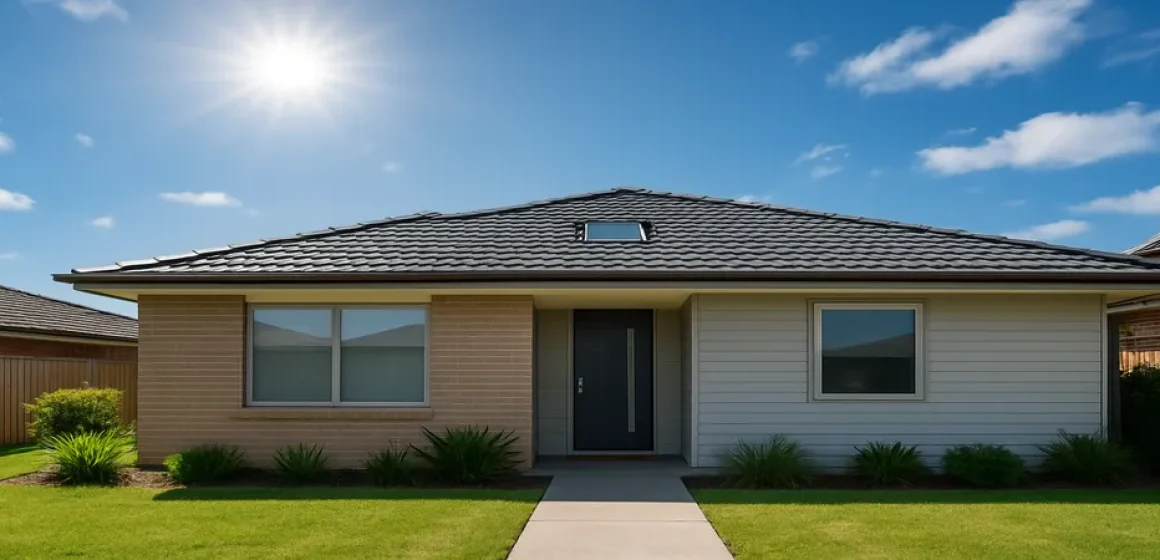
- Powder-coated frames in colours resembling typical QLD roofing (e.g., Colorbond greys, dark earthy tones) blend seamlessly.
- Strategic Placement
- For maximum effect, position skylights above living or common areas. Avoid overshadowing (or overshadowed) roof sections if neighbouring multi-storey homes exist.
- User Testimonials
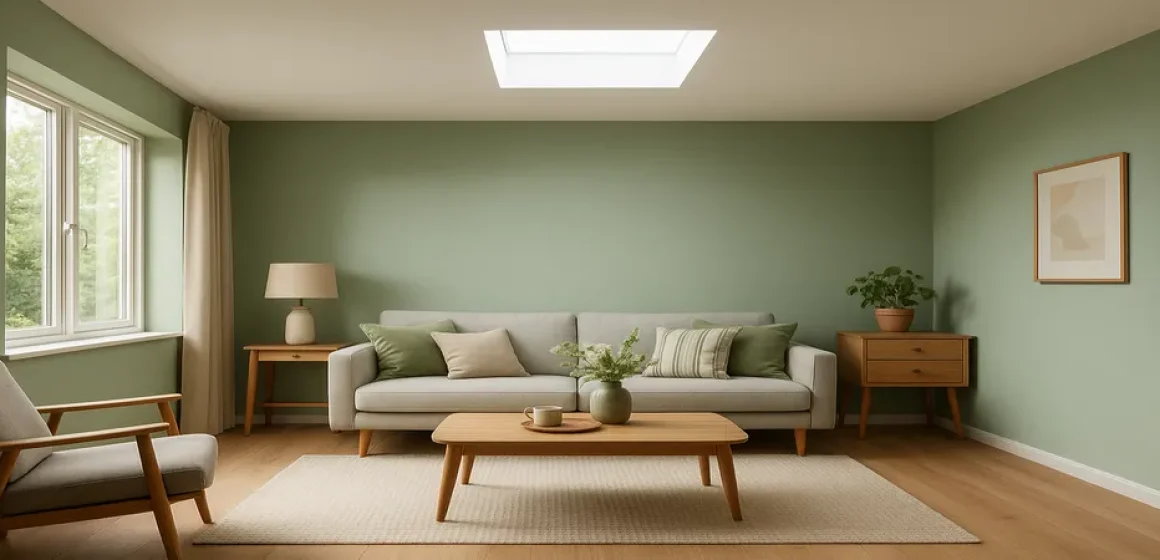
- Real estate agents often highlight “light-filled interiors.” Thoughtful skylight additions can boost perceived property value.
FAQs: Skylights for Ipswich & Surrounding Queensland Homes
- Do I need special approval to install skylights in Ipswich?
- Minor works typically don’t need major permits unless structural changes are significant or the property’s in a bushfire overlay. Confirm with Ipswich City Council.
- Which skylight type is best for humidity control?
- Operable skylights or roof windows let rising moisture escape—particularly beneficial in bathrooms or laundry areas.
- Is single glazing enough for Ipswich’s climate?
- Single glazing can cause heat gain, leading to higher cooling costs. Double or even triple glazing with Low-E coatings yields better temperature regulation.
- How do I maintain a skylight after storms?
- Do a quick post-storm check: remove any debris, verify flashing edges are secure, and ensure no cracks in the glass.
- Are tubelight skylights good for smaller rooms?
- Yes, tubular skylights deliver daylight with a smaller roof penetration. Great for tiny bathrooms, corridors, or pantries, with minimal cost.
Local Snapshots: Ipswich Data
- Climate:
- Average summer highs: ~34°C (spiking above 35°C some days).
- Storm season typically from November to March.
- Winter nights can dip close to single digits, emphasising multi-season glazing needs.
- Growth & Development:
- Ipswich is among QLD’s fastest-growing regions, with new housing estates expanding. Skylight installations can differentiate new builds or retrofit older homes.
- Council Notes:
- The Ipswich Planning Scheme references minor roof modifications but often sets specific guidelines if near bushland or if the property is significantly large.
- Consider bushfire overlay checks if on the city outskirts (e.g., near Pine Mountain, Grandchester, etc.).
Real-Life Example: Skylights in a Springfield Lakes Home
Scenario:
- A newly constructed four-bedroom house in the Springfield Lakes area (part of Greater Ipswich) needed more daylight in the open-plan lounge-kitchen. The owners also wanted better ventilation due to warm, humid summers.
Solution:
- Double-Glazed Operable Skylight installed above the main living zone, featuring Low-E coatings to moderate heat gain.
- Rain Sensor included to prevent water intrusion during sudden storms.
- Powder-Coated Aluminium Frame chosen for a tidy finish matching Colorbond roofing.
Outcome:
- Electricity usage for daytime lighting fell significantly (approx. 25% cut during summer).
- Evening ventilation lowered air conditioning dependence, saving on cooling costs.
- The owners reported minimal condensation issues thanks to the operable design and thermal breaks in the frame.
(Energy savings vary by occupant behaviour and roof orientation.)
Conclusion
For Ipswich and its surrounding Queensland areas, skylights can enhance both comfort and property value—provided they’re adapted to the local subtropical climate and potential bushfire considerations. By investing in quality glazing (Low-E, double/triple), robust flashing, and possibly operable or sensor-equipped skylights, homeowners can mitigate summer heat, harness natural breezes, and cut electricity bills in winter. Regular post-storm maintenance ensures long-lasting performance, while local code checks guarantee compliance and peace of mind.
Action Steps: Skylight Installation for Ipswich & Surrounding QLD Homes
- Assess Roof Angle & Overlays
- Identify if bushfire overlays apply. Determine if your roof pitch suits a particular skylight type.
- Choose a Suitable Skylight Type
- Operable for humid rooms or venting hot air; tubular for small corridors/bathrooms; double-glazed for better energy efficiency.
- Focus on Storm & Heat Defence
- Ensure hail-rated or toughened glazing if possible. Low-E coatings reduce solar heat in warm months.
- Check Ipswich City Council Requirements
- Some minor roof mods may be exempt, but bigger changes or bushfire zones might require formal approval.
- Engage QLD-Registered Installers
- Professionals aware of local weather patterns, building codes, and bushfire resilience. Proper flashing is critical for storm protection.
- Schedule Seasonal Maintenance
- Post-storm checks for debris, verifying seals and glass integrity. Monitor internal humidity near skylight edges.
With these steps, Ipswich homeowners can enjoy bright, airy interiors that reflect the region’s sunny climate while curbing excess heat or moisture—achieving a balance of sustainability, affordability, and compliance in Queensland’s vibrant, fast-growing region.