Custom Skylights for Queensland’s Heritage Homes: Balancing Tradition and Modern Comfort
Queensland’s heritage homes, often known as Queenslanders or colonial-era dwellings, are cherished for their iconic verandas, high ceilings, and unique timber detailing. Homeowners who want more natural light and improved ventilation face a particular challenge: preserving historical character while incorporating modern features. This article delves into how custom skylights strike that balance—enhancing comfort and energy efficiency without compromising the architectural soul of a heritage property.
1. Understanding Heritage Overlays and Regulations
- Local Council Heritage Registers
- Certain Queensland suburbs require homeowners to follow heritage overlay guidelines, ensuring any additions respect the home’s historic façade and structure.
- Consult local council documents or planning schemes for property-specific controls.
- State and National Heritage Listings
- Some homes may appear on the Queensland Heritage Register or the National Heritage List, imposing additional requirements to maintain the dwelling’s exterior appearance.
- Changes like installing skylights often need approval to guarantee they don’t alter significant roofing elements or architectural lines.
- No Assumptions—Check Official Sources
- Heritage regulations differ across councils. Always confirm the latest rules before any modification, including skylight placements, materials, or roof alterations.
Reference:
- Queensland Government—Heritage: qld.gov.au/environment/land/heritage for detailed guidelines on heritage listings and renovations.
2. Why Custom Skylights for Heritage Homes?
- Respecting Original Roof Profiles
- Off-the-shelf skylights may not fit the pitch or lines of traditional Queenslander roofs.
- A custom design can match the roof curvature, eaves, or unique gables, ensuring minimal visual disruption.
- Period-Sensitive Aesthetics
- Heritage-minded designs use timber-look frames, coloured flashing, or heritage-friendly finishes (e.g., matte black or galvanized steel) to blend with existing roofing materials.
- Preserving Ornamental Details
- Many older roofs feature decorative ridge capping, finials, or ornate fretwork near the eaves.
- A custom skylight layout can avoid damaging or overshadowing these distinctive architectural features.
3. Design Considerations for Heritage Skylights
- Low-Profile or Discreet Placement
- Where possible, position skylights on roof planes less visible from the street, or keep the skylight’s height minimal.
- This protects the home’s façade from modern visual intrusions.
- Matching Roof Materials
- If the roof is corrugated iron, ensure the skylight’s curb, flashing, or frame materials closely resemble the same colour or finish.
- Heritage tile roofs may need custom flashing kits to respect the tile shape and arrangement.
- Double or Triple Glazing
- Although historic buildings didn’t originally have modern glazing, using energy-efficient glass doesn’t detract from the architecture—especially if the exterior frame looks traditional.
- Low-E or tinted glass can reduce heat gain in Queensland’s climate, all while maintaining a historically sensitive appearance.
- Ventilated or Fixed Skylights
- Operable skylights help replicate the airy feel typical of Queenslanders (with their open verandas and breezeways).
- Fixed custom skylights can illuminate interior hallways or living rooms without altering external roof lines significantly.
4. Compliance with Queensland Building Codes
- AS 1288—Glass in Buildings
- Mandates safety glass requirements for overhead installations.
- Even heritage properties must adhere to modern safety standards for occupant protection.
- AS/NZS 4284—Weatherproof Testing
- Ensures the skylight can handle wind-driven rain and tropical downpours common in Queensland’s climate.
- Vital to avoid leaks that could damage heritage timber structures or plaster ceilings.
- Bushfire or Cyclone Zones
- If the home is located in a bushfire-affected region or a cyclone overlay, the skylight must meet relevant wind ratings or BAL (Bushfire Attack Level) requirements.
- Custom designs can incorporate toughened or laminated glass suitable for extreme conditions.
5. Practical Tips for Heritage-Safe Skylight Installation
- Discuss Plans with a Heritage Architect
- An architect experienced in heritage conservation can recommend discreet skylight angles, frames, and finishes.
- They may also know the approval pathways to expedite local council acceptance.
- Use a Licensed Installer Specialising in Heritage Roofs
- QBCC-licensed professionals with track records on heritage projects ensure minimal disruption to original rafters, battens, or ridge capping.
- Skilled tradespeople avoid damaging or removing key roofing details that define the home’s character.
- Mock-Ups or Digital Visualisations
- Before cutting into a century-old roof, consider 3D renderings or small-scale prototypes to see how the skylight integrates with the existing design.
- This approach helps property owners and councils visualise the final result, reducing guesswork.
- Lean Toward Neutral or Subdued Paint/Frame Colours
- Avoid flashy, modern finishes for frames or flashing.
- Opt for shades that match or complement the existing roof paint or natural metal patina.
6. FAQs on Custom Skylights in Heritage Homes
- Will a custom skylight impact my heritage listing?
- If properly designed and installed, a skylight shouldn’t undermine the home’s heritage value. Approvals, however, are often mandatory—check local overlays or heritage registers.
- Are retrofitting skylights worth it for older Queenslanders?
- Many homeowners find it beneficial for added light and ventilation, particularly in enclosed hallways or under high-pitched roofs. The improvement can make day-to-day living more comfortable.
- Could modern glazing look out of place on a historic building?
- Choosing low-profile frames, traditional colours, and matte finishes ensures the skylight blends discreetly. No garish modern lines are necessary.
- Do I need to alter the internal ceilings?
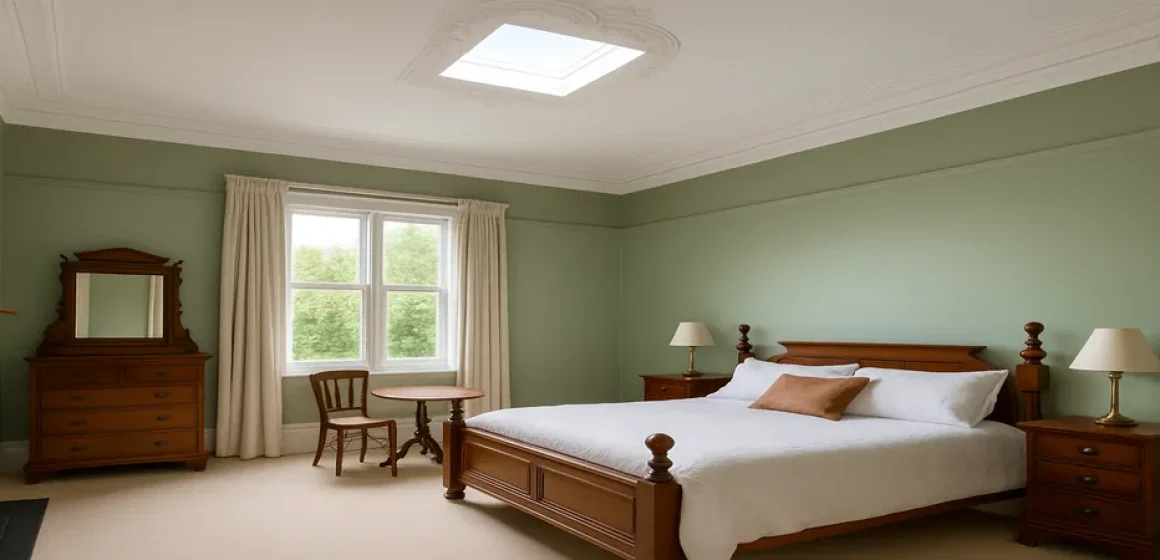
- Some older homes have ornate pressed metal or timber panelled ceilings. A well-planned skylight shaft or light well can preserve decorative elements. Always engage a professional to handle structural or aesthetic details.
- What if the heritage guidelines say ‘no roof alterations visible from the street’?
7. Conclusion
Custom skylights bridge the gap between historic preservation and modern liveability in Queensland’s cherished heritage homes. By respecting architectural lines, roof materials, and heritage overlays, property owners can introduce natural light and ventilation without eroding the timeless charm that makes these dwellings so special. Coupled with licensed expertise and thoughtful design, a carefully integrated skylight offers the best of both worlds—traditional elegance and contemporary comfort.
Action Steps: Heritage Skylight Success
- Consult Your Local Council: Get clarity on heritage overlay rules, potential permits, or required heritage architect sign-offs.
- Hire a Specialist: Look for a QBCC-licensed installer experienced in heritage roofing.
- Focus on Materials & Aesthetics: Custom, low-profile frames in colours matching the existing roof.
- Respect Building Codes: Even heritage homes must comply with modern safety (AS 1288) and weatherproofing standards (AS/NZS 4284).
- Consider a Heritage Architect: They can help with design approvals and ensure a cohesive look.
By carefully blending old and new, you’ll preserve the legacy of your Queenslander while enjoying the abundant natural light and cool breezes that skylights bring to contemporary living.