Queensland’s Green Building Movement and the Role of Skylights
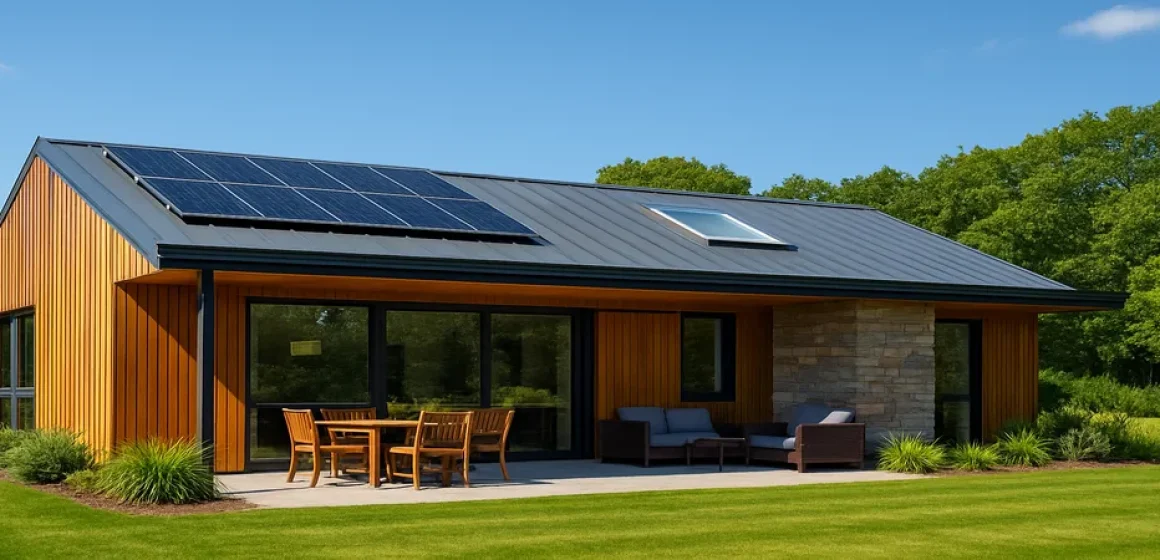
Queensland’s green building movement is gaining momentum as homeowners, architects, and policymakers prioritise energy efficiency, lower carbon footprints, and overall sustainability. From solar panels to water-saving fixtures, environmentally conscious upgrades are on the rise. Among these features, skylights play a significant role—offering natural light, potential energy savings, and enhanced indoor comfort in line with eco-friendly objectives. This article explores how skylights help fulfil Queensland’s green building goals without making any unsupported assumptions.
1. Overview: Queensland’s Green Building Priorities
- Reducing Energy Consumption
- Encouraging designs that minimise reliance on artificial lighting and cooling.
- Queensland’s warm climate often leads to higher electricity use for cooling—green strategies address this challenge.
- Improving Indoor Air Quality
- Adequate daylight and ventilation can help reduce dependence on mechanical systems.
- Ventilated skylights, in particular, are aligned with healthy indoor environments.
- Aligning with the National Construction Code (NCC)
- The NCC includes energy-efficiency provisions (e.g., requirements on glazing and insulation).
- Local Queensland guidelines, such as the Queensland Development Code, can specify additional measures.
Reference:
- Queensland Government—Sustainability & Environment (qld.gov.au/environment) for updated policies and initiatives on green construction.
2. Energy-Saving Advantages of Skylights
- Maximised Daylight
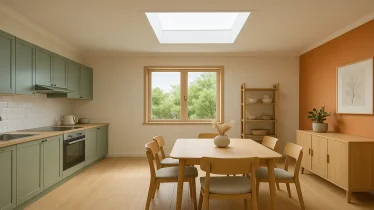
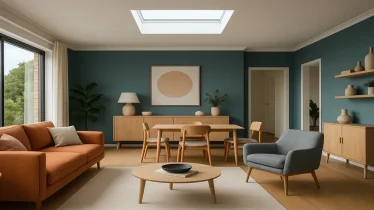
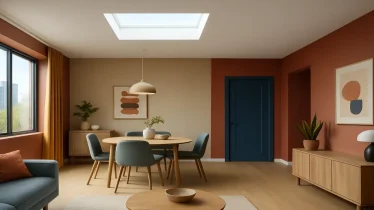
- Strategically positioned skylights bring in ample natural light, reducing daytime dependence on artificial lamps.
- This can lower electricity use, especially when combined with reflective finishes or light, neutral interior paint colours.
- Thermal Regulation with Proper Glazing
- Low-E or Tinted Glass: Minimises heat gain in Queensland’s hotter months while preserving daylight transmission.
- Insulated Frames/Curbs: Helps maintain comfortable indoor temperatures, supporting passive cooling strategies in line with green design.
- Potential HVAC Relief
- Ventilated skylights can expel hot air accumulating near the ceiling, aiding cross-ventilation.
- In mild or dry spells, this reduces reliance on air conditioning, aligning with green energy goals.
3. Skylight Features That Support Green Building Goals
Below is a quick breakdown of eco-friendly skylight attributes commonly used in Queensland’s sustainable designs:
|
Feature |
Green Building Benefit |
|
Operable Skylights |
Improves natural airflow, reduces AC demand |
|
Low-E or Double Glazing |
Minimises heat transfer, lowers energy consumption |
|
Solar-Powered Blinds |
Harnesses solar power to control light/heat, reducing electrical load |
|
Rain & Wind Sensors |
Protects interior and ensures optimal sealing in adverse weather |
|
UV-Resistant Coatings |
Preserves furnishings, less waste due to fading or deterioration |
(All features must comply with relevant Australian Standards, such as AS 1288 for glazing and AS/NZS 4284 for weatherproofing.)
4. Case Study: Sustainable Skylight Integration
Property Type: A new-build home in outer Brisbane, designed with open-plan living and a green building certification target (e.g., meeting certain energy performance standards).
- Design Approach
- Builders installed two insulated skylights with UV coatings in the kitchen-living area.
- Each skylight included motorised, solar-powered blinds to manage heat during midday peaks.
- Outcome
- The homeowner reported reduced daytime lighting needs, especially on sunny days.
- Cross-ventilation improved, with the skylights venting warm air while lower windows brought in cooler breezes.
- The project maintained alignment with local building codes and secured points toward the homeowner’s desired green rating.
(Note: Actual energy savings vary; no universal figure applies. Home design, occupant behaviour, and local climate conditions all influence results.)
5. Complying with Local Regulations and Standards
- NCC Energy Efficiency Provisions
- Skylight assemblies must meet minimum U-value and Solar Heat Gain Coefficient (SHGC) criteria where applicable.
- In Queensland, homeowners should refer to climate zone-specific guidelines for glazing.
- Local Council Requirements
- Some regions might have additional sustainability incentives or rebates for high-performance glazing or integrated solar features.
- Always consult official council documents rather than relying on assumptions.
- QBCC Licensing and Installation
- Engage professionals licensed under the Queensland Building and Construction Commission (QBCC).
- Licensed installers help ensure correct flashing, sealing, and compliance with green building codes.
6. FAQs: Skylights in Queensland’s Green Building Movement
- Do I need special permits for installing eco-friendly skylights?
- Skylights typically follow standard building permit rules. Eco-friendly features (e.g., solar blinds) don’t necessarily require extra approval unless structural changes are made. Confirm with local authorities.
- Will skylights add too much heat in Queensland’s climate?
- With low-E glazing, tinted options, or motorised blinds, heat gain can be mitigated. Correct orientation and shading reduce overheating risks.
- Are there state-level rebates for green skylights?
- Some councils or state initiatives may offer energy-efficiency rebates that encompass skylights with advanced thermal performance. Check official Queensland Government or council websites for updated schemes.
- Can I retrofit skylights in an existing home to meet green standards?
- Yes. Retrofitting is possible as long as roof integrity supports it. Always ensure compliance with structural guidelines, especially if your roof pitch or material requires extra flashing or curb height.
- What’s the difference between a green rating system and building code compliance?
- Building code compliance is mandatory, ensuring basic safety and performance standards.
- Green rating systems (e.g., those focusing on sustainability points) are often voluntary but demonstrate higher environmental commitment.
7. Conclusion
As Queensland’s green building movement continues to grow, skylights stand out as both functional and sustainable design elements—providing natural light, passive cooling, and a healthier indoor environment when properly chosen and installed. By aligning with NCC requirements, incorporating energy-efficient materials, and working with licensed professionals, homeowners contribute to a more sustainable future for Queensland.
Action Steps & Further Reading
- Check Your Home’s Energy Usage
- An energy audit can help pinpoint how skylights might reduce lighting and cooling costs.
- Review Council Grants or Green Guides
- Some local governments share resources on eco-friendly retrofits, including best practices for daylighting.
- Consult a Certified Installer
- Look for QBCC-licensed professionals who specialise in energy-efficient skylight installations.
- Explore Further Resources
- qld.gov.au/environment: Official Queensland Government site for environmental initiatives.
- Green Star or other rating systems: Provide guidelines for integrated sustainable design (note these programs have their own criteria—check official sources).
By combining thoughtful skylight design, advanced glazing, and correct orientation, Queensland homeowners can reap the benefits of natural illumination while supporting the broader push toward green building and environmental stewardship—with no unfounded assumptions along the way.