4 Skylight Types for Coffs Harbour’s Subtropical Homes: A Comparison
Situated between the Pacific Ocean and hinterland forests, Coffs Harbour enjoys a humid subtropical climate—warm, wet summers, mild winters, and occasional storms. Adding skylights can flood homes with natural light, reduce reliance on electric lighting, and ventilate humid interiors. Yet the area’s coastal humidity, potential bushfire overlays in rural fringes, and NSW building codes require thoughtful skylight choices. Here, we compare four common skylight types—their pros, cons, and local compliance angles—to help Coffs Harbour homeowners find the ideal overhead solution.
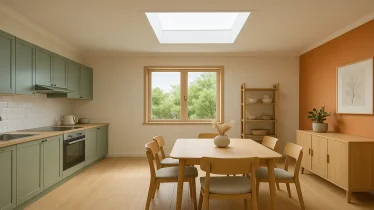
1. Fixed Skylights: Simple, Cost-Effective, Yet Ventilation-Limited
Overview
- No Opening Mechanism: A single glass panel or double-glazed unit sealed into the roof.
- Typical Use: Adding daylight to living rooms, corridors, or bathrooms where ventilation is less critical.
Advantages
- Lower Installation Cost
- Fewer moving parts; straightforward to fit, often suiting tighter budgets.
- Minimal Maintenance
- No hinges or motors to maintain in Coffs Harbour’s humid conditions, where rust can be an issue.
- Solid Weatherproofing
- Less risk of storm leaks if properly sealed and flashed, ideal given the region’s summer storms.
Drawbacks
- No Ventilation
- Can’t expel warm, moist air in a climate known for humidity; relies on windows or mechanical fans.
- Condensation Risks
- In high humidity, single glazing or poor insulation might cause condensation on cooler nights or after heavy rainfall.
Local Compliance & Tips
- Double Glazing recommended to handle temperature swings, reduce heat infiltration in summer.
- Check AS 1288 overhead safety glass; typically, a laminated or toughened glass for occupant safety.
- If near bushland, confirm if bushfire codes (AS 3959) apply for non-combustible frames.
2. Operable Skylights: Ventilation in a Humid, Storm-Prone Coastal Zone
Overview
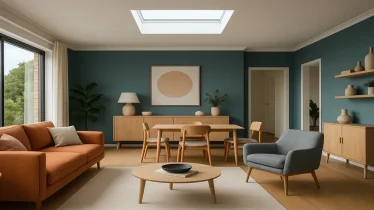
- Openable units (manual or motorised) with a hinge or track, letting homeowners release hot or humid air.
- Popular in kitchens, bathrooms, or living areas needing both light and airflow.
Advantages
- Humidity Control
- Allows moisture-laden air to escape, crucial in Coffs Harbour’s humid summers and damp transitional seasons.
- Heat Release
- Rising warm air near the ceiling can exit, diminishing AC reliance—saving energy.
- Rain Sensors (Motorised Models)
- Skylights close automatically if a sudden storm arrives, typical in subtropical environments.
Drawbacks
- Higher Initial Cost
- Motorised versions especially cost more, plus possible maintenance for motors/sensors in salty coastal air.
- Storm Risk if Left Open
- Manual skylights require vigilance; forgetting them open in a quick summer downpour can cause water intrusion.
Local Compliance & Tips
- For coastal zones, powder-coated or marine-grade frames resist corrosion from salt-laden breezes.
- Bushfire overlays: ensure ember guards or toughened glass if in a BAL-rated area.
- Professional installation ensures no storm-driven rain infiltration, referencing AS/NZS 4284 weatherproof testing.
3. Tubular Skylights (Sun Tunnels): Compact & Budget-Friendly
Overview
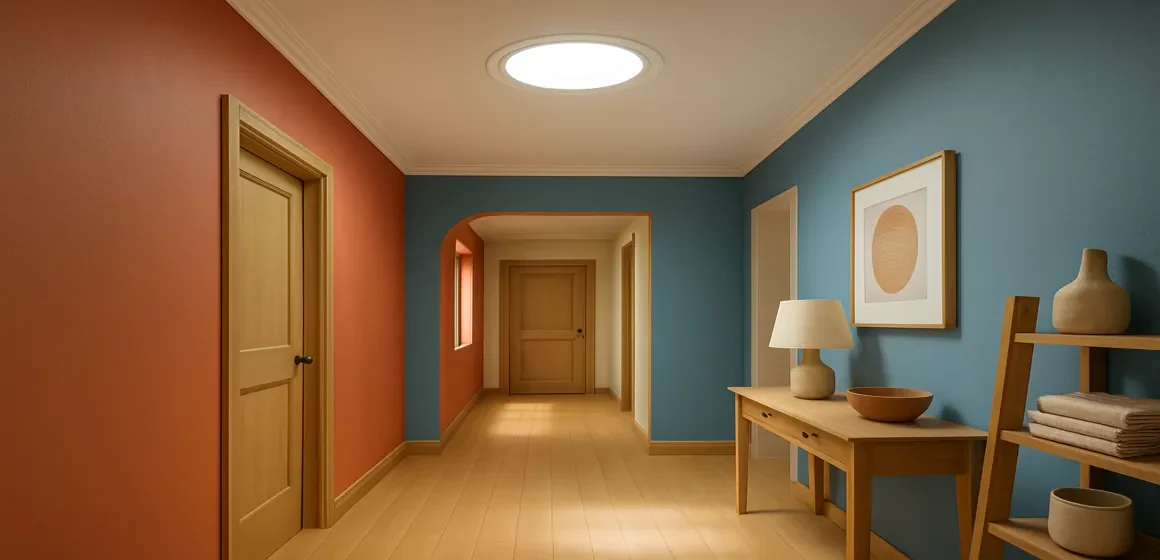
- Narrow tubes with a reflective interior, capturing light at the roof and channelling it into smaller spaces—ideal for bathrooms, hallways, or wardrobes.
Advantages
- Minimal Roof Impact
- Less visible from outside, good for aesthetic control or heritage constraints near older Coffs suburbs.
- Lower Cost
- Smaller openings reduce labour, flashing complexity, and typically cost less than large overhead units.
- Natural Light in Tight Spaces
- Perfect for rooms lacking direct windows. No bulky shaft needed.
Drawbacks
- Limited Light Volume
- Not as bright as full skylights in big living areas.
- No Ventilation
- Strictly for lighting; no option to open or vent unless supplemented by a vent kit (still minimal airflow).
Local Compliance & Tips
- Must still meet overhead safety glass if the roof dome is large enough to be considered a skylight in code terms.
- Check bushfire rating if your property is near bushland—some tubular products come with ember-proof covers.
4. Roof Lanterns: Premium Style & Abundant Light
Overview
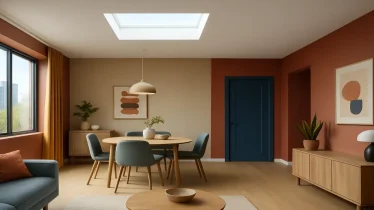
- A multi-panel overhead glazing structure—often pitched or pyramid-shaped—commonly used in high-end builds or large family entertaining areas.
Advantages
- Dramatic Daylighting
- Magnificent aesthetic, flooding big areas with light—great in spacious lounge/dining rooms.
- Architectural Statement
- A roof lantern can stand out in an otherwise plain roofline, adding value and visual intrigue.
Drawbacks
- Higher Cost & Complexity
- Typically custom, requiring advanced flashing, possibly structural reinforcement to manage heavier frames.
- Storm & Leak Risks
- With multiple glass panels, more seals exist—Coffs Harbour storms test all sealing edges. Quality installation is vital.
Local Compliance & Tips
- Must comply with AS 1288 overhead glazing rules for multi-panel structures.
- In bushfire overlays, a metal frame or toughened glass, plus ember screening, is mandatory if rated above BAL-12.5.
Comparison Summary
|
Skylight Type |
Best For |
Advantages |
Drawbacks |
|
Small budgets, simpler spaces |
Minimal maintenance, cost-effective, easy code compliance |
No ventilation, risk of condensation in humid climates |
|
|
Operable Skylights |
Ventilation needed, kitchens/bathrooms |
Airflow in humid summers, optional sensors, big energy saves |
Pricier, motors need care in salty air, watch storms if manual |
|
Tight spaces, heritage constraints |
Lower cost, small roof opening, minimal external changes |
Limited light, no ventilation, might not suffice for large rooms |
|
|
Roof Lanterns |
Statement piece, large living areas |
Dramatic light, aesthetic wow factor |
High cost, complex install, multiple seals for storms |
FAQs: Choosing the Right Skylight for Coffs Harbour
- Do I need bushfire-rated skylights in coastal Coffs Harbour?
- Some hinterland spots might have bushfire overlays. If your property is near bush or national park, check BAL rating and opt for ember-proof frames.
- Is single glazing enough if I’m near the beach?
- Single glazing rarely meets NCC energy efficiency standards. Double or triple with Low-E is strongly recommended, especially in warm, humid conditions.
- Will a tubular skylight brighten my entire open-plan lounge?
- Probably not—tubular solutions suit smaller rooms or hallways. For large living areas, fixed or operable skylights are more effective.
- How do I prevent salt air corrosion on frames?
- Powder-coated or marine-grade finishes, plus periodic rinses if your roof is close to the ocean or estuaries. This approach minimises rust.
- Are roof lanterns too risky for storm-laden climates?
- Not if done well. They demand expert flashing and sealed edges. Storm-laden areas require AS/NZS 4284 weatherproof testing to ensure no leaks.
Real-Life Example: A Modern Beachside Home in Sawtell
Scenario:
- A family near Sawtell Beach wanted maximum ventilation for their lounge, overshadowed by tall neighbouring homes, plus minimal overhead glare. They considered bushfire overlays due to the property’s proximity to hinterland.
Chosen Skylight Approach
- Operable Double-Glazed Skylight:
- Low-E glass with motorised operation, ensuring controlled daytime sunlight and easy evening ventilation.
- Marine-Grade Frame & Flashing:
- Powder-coated aluminium resisting salt-laden breezes.
- Ember Guard Add-On:
- The local mapping showed a moderate bushfire zone rating (BAL-19), so they used a tight-fitting metal mesh on the opening vent.
Outcome:
- Daytime lighting usage dropped ~30%. The family loves opening the skylight for a sea breeze in warmer months.
- No corrosion issues despite heavy sea air exposure.
- Council quickly approved it under NCC overhead safety rules since it was on the rear slope with minimal external changes.
(Energy savings vary by occupant usage and orientation.)
Conclusion
Coffs Harbour’s blend of coastal humidity, subtropical storms, and possible bushfire overlays means homeowners must choose skylight types wisely—fixed for simpler applications, operable for ventilation, tubular for tight spots, or roof lanterns for grand designs. By selecting double/triple glazing, corrosion-resistant frames, and verifying NCC plus bushfire (AS 3959) compliance, you can enjoy bright, breezy interiors without sacrificing comfort or safety. Whether you’re a minimal overhead modification fan or craving a statement piece, there’s a skylight solution perfectly adapted to Coffs Harbour’s unique environment.
Action Steps: Deciding on Skylights for Coffs Harbour
- Assess Your Home’s Overlays
- If near bushland, confirm BAL rating for bushfire compliance. If in heritage precinct, discreet or smaller skylight styles might be mandatory.
- Match Skylight Type to Needs
- Fixed for cost-friendliness, operable if you need ventilation, tubular in small, enclosed spaces, roof lantern for a wow factor.
- Focus on Quality Glazing
- Double/triple glazing with Low-E to handle humidity, reduce glare, and keep energy bills in check.
- Use Marine-Grade Finishes
- Salt-laden air near beaches can corrode standard frames—powder-coated or aluminium frames last longer.
- Seal & Flash Thoroughly
- Certified installers ensure no leaks under storm rain or heavy winds. Post-storm checks protect your investment.
By considering these four skylight types and the local conditions, you’ll create a brighter, more comfortable interior that thrives in Coffs Harbour’s subtropical climate—proving skylights can be both a design statement and a functional necessity for coastal living.