Best Skylights for Brisbane Homes: Balancing Heat, Light, and Energy Efficiency
1. Introduction
Brisbane’s subtropical climate means year-round sunshine, high humidity, and warm temperatures. While this abundant natural light is a blessing, it also poses challenges for homeowners when selecting the best skylights for Brisbane homes. You’ll want to harness maximum daylight without turning your living spaces into a sauna. This article covers the most crucial considerations—like heat control, glazing, and energy efficiency—helping you choose the perfect skylight for your Queensland abode.
2. Brisbane’s Subtropical Climate: Key Considerations
- High Humidity and Rainfall
- Brisbane experiences summer downpours and a tropical wet season. Quality skylight seals and flashing are essential to prevent leaks.
- Ventilated skylights can help expel humid air, reducing moisture-related issues like mould.
- Intense Sunshine and UV Exposure
- Queensland has some of the highest UV levels globally. Opt for UV-protective skylight coatings or tinted glass to prevent excessive heat gain and fading of furnishings.
- Warm Nights and Mild Winters
Official Reference:
- Bureau of Meteorology (BoM): bom.gov.au – Provides climate data, including temperature and rainfall patterns for Brisbane.
3. Top Skylight Features for Heat Control
- Low-E (Low Emissivity) Coatings
- Reflect solar heat back outside, keeping interior spaces cooler.
- Minimise thermal radiation transfer, beneficial in Brisbane’s hot summers.
- Double or Triple Glazing
- Improves insulation to reduce heat gain from Brisbane’s midday sun.
- Also helps retain conditioned air if you’re running the AC, lowering energy bills.
- Ventilation Mechanisms
- Operable Skylights (manual or motorised) allow hot air to escape in the late afternoon or evening.
- Rain Sensors: Essential in the wet season; automatically closes skylights during sudden downpours.
- Tinted or Reflective Glass
- Reduces glare and blocks a portion of incoming solar heat.
- Particularly useful in roof areas receiving direct midday sun.
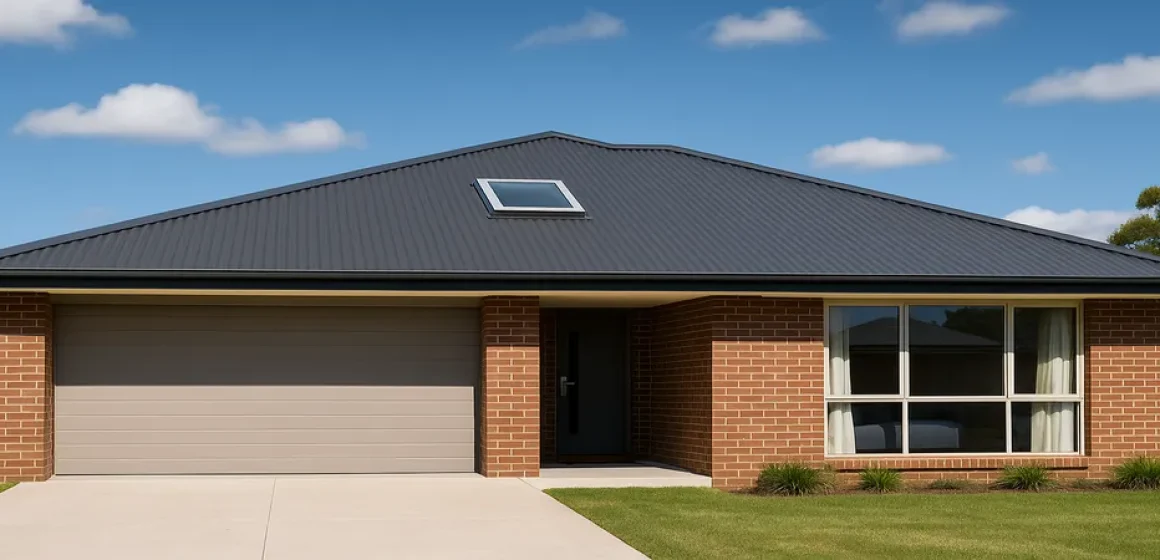
4. Skylight Types Suited for Brisbane Homes
- Ventilated (Operable) Skylights
- Best for Heat & Humidity: Releases trapped hot air, addressing Brisbane’s muggy climate.
- Rain-Sensor Automation: Modern models sense rain and close automatically—ideal for sudden Queensland storms.
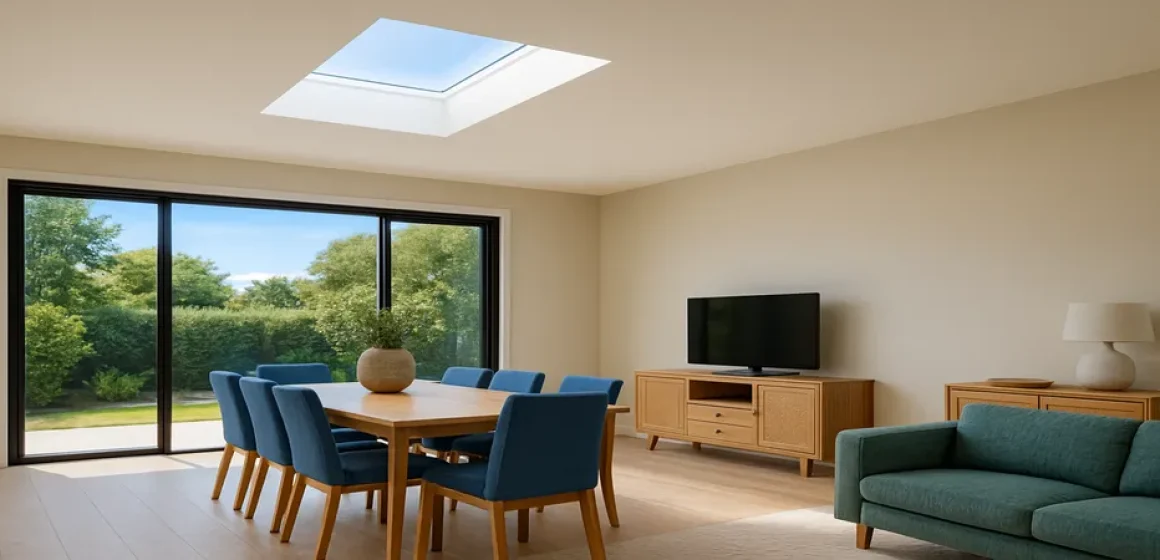
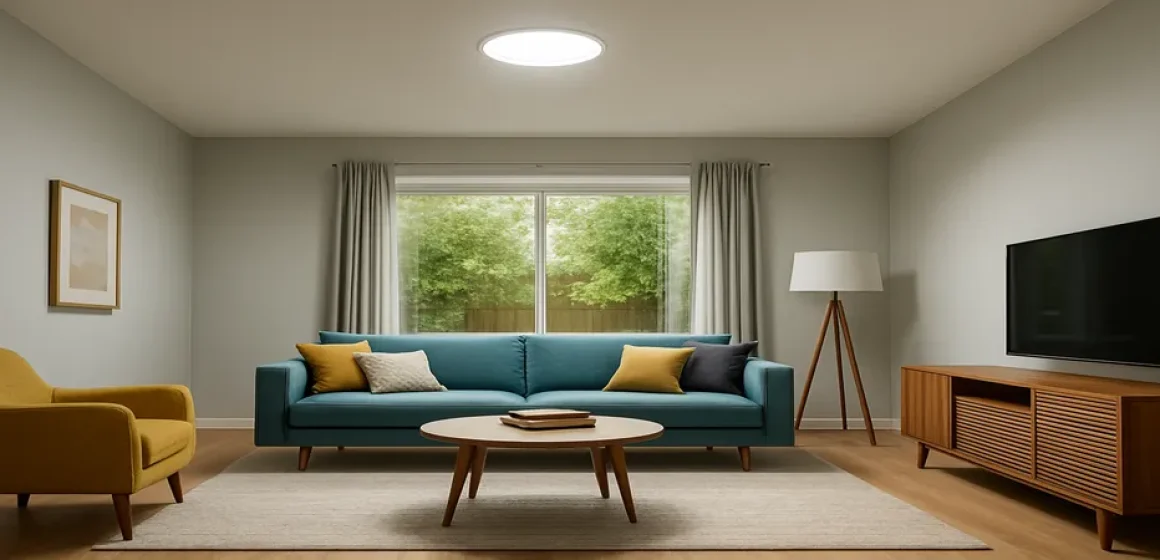
- Tubular Skylights
- Compact Light Solutions: Great for corridors, closets, or windowless bathrooms.
- Minimal Heat Gain: Reflective tubes deliver light while limiting direct sun exposure.
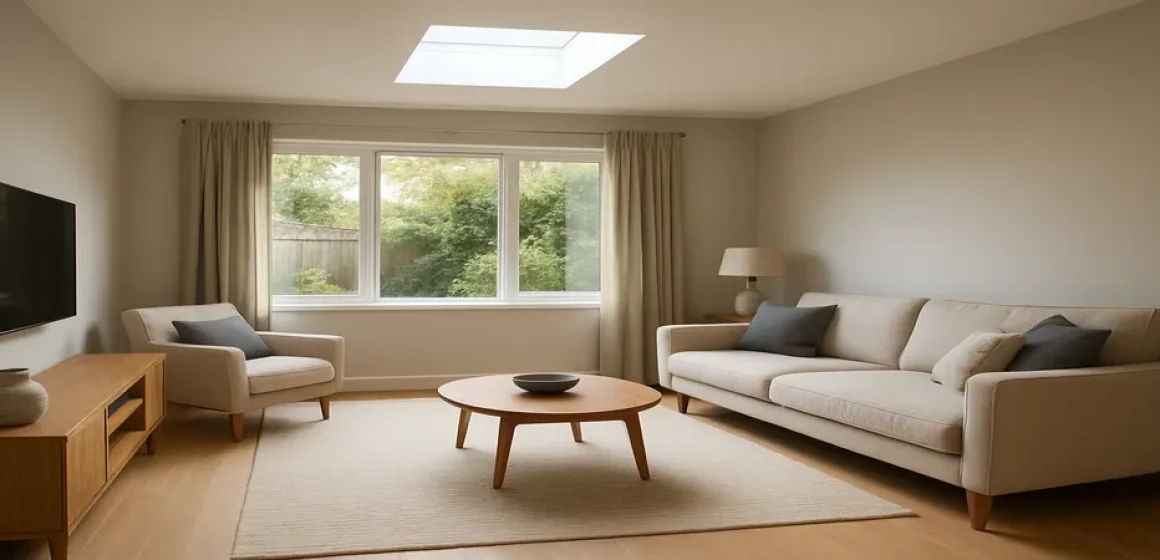
- Fixed Skylights
- Cost-Effective Choice: Fewer moving parts to maintain.
- Combine with Low-E or Tinted Glass: Ensures you don’t overheat your interiors.
- Solar-Powered Skylights
- Eco-Friendly Option: Runs on solar energy for operations (like opening/closing vents or blinds).
- Potential Rebates: Some local programs may offer incentives for energy-saving installations. (See “Energy Efficiency Tips” below.)
5. Quick Comparison Chart: Fixed vs. Ventilated vs. Tubular
|
Feature |
Fixed Skylights |
Ventilated Skylights |
Tubular Skylights |
|
Best Use |
Larger rooms needing constant light |
Rooms with high humidity, like kitchens/bathrooms; heat escape |
Narrow or windowless areas (hallways, closets) |
|
Heat Control |
Depends on glazing (Low-E, tint) |
Excellent, as they can vent hot air |
Generally low heat gain due to smaller size |
|
Maintenance |
Minimal (no moving parts) |
Requires periodic checks of motor, hinges, and seals |
Very low, mainly cleaning dome occasionally |
|
Cost |
Lower initial cost |
Higher than fixed due to opening mechanisms |
Mid-range; often more affordable than large skylights |
|
Energy Efficiency |
Good if properly insulated & glazed |
Superior in hot climates thanks to ventilation |
Naturally efficient for small spaces |
|
Suitability for Brisbane |
Good if combined with heat-reducing glass |
Ideal for Brisbane’s heat & humidity |
Perfect for small, dark corners |
(Remember to look for AS 1288-compliant glazing and robust seals to handle Brisbane’s climate.)
6. Energy Efficiency Tips and Official Resources
- Optimise Orientation
- North-facing skylights gain the most sun throughout the day—beneficial in mild winters but can overheat spaces in summer.
- Consider external shading or blinds to adapt to seasonal changes.
- Check for Rebates or Incentives
- Some local councils or Queensland Government initiatives may offer energy efficiency rebates.
- Explore potential solar energy rebates if choosing solar-powered skylights.
- Building Codes and Compliance
Official Reference:
- Queensland Government—Sustainability and Energy: qld.gov.au/environment – Look for rebates, grants, or sustainability programmes specific to Queensland.
- Consider Professional Installation
- Brisbane’s subtropical climate can challenge DIY approaches.
- Certified installers ensure correct flashing, weatherproofing, and compliance with local regulations.
7. FAQs on Skylights in Brisbane
- Will a skylight make my home too hot?
- Not if you select the right Low-E or tinted glazing and consider ventilated options. Properly installed skylights can actually improve airflow and reduce AC usage.
- Are tubular skylights bright enough for larger rooms?
- Tubular models work best in smaller or narrower spaces. For larger living areas, consider fixed or ventilated skylights with a broader surface area.
- How often should I clean or maintain my skylights?
- In Brisbane’s climate, a biannual check is wise—removing leaves, ensuring seals are intact, and verifying that rain sensors (if any) function properly.
- Do I need council approval?
- Often yes, especially if the skylight alters the roof structure. Check with Brisbane City Council or consult a local installer for specific rules in your suburb.
8. Conclusion
For Brisbane homeowners, striking the right balance between heat control, natural light, and energy savings is key. Whether you opt for a ventilated skylight to combat humidity or a tubular skylight for a tight corridor, ensure you invest in quality materials and professional installation suited to Queensland’s subtropical conditions. By incorporating the best glazing, orienting your skylight thoughtfully, and staying compliant with local codes, you’ll enjoy all the brightness and ventilation benefits without turning your home into a hotbox.
Ready to add a skylight to your Brisbane home?
- Contact certified skylight installers who understand local weather challenges.
Review official resources like the Queensland Government’s sustainability pages or local council guidelines for rebates and compliance details.