Skylight Maintenance Tips to Maximise Lifespan in Australia
1. Why Skylight Maintenance Matters
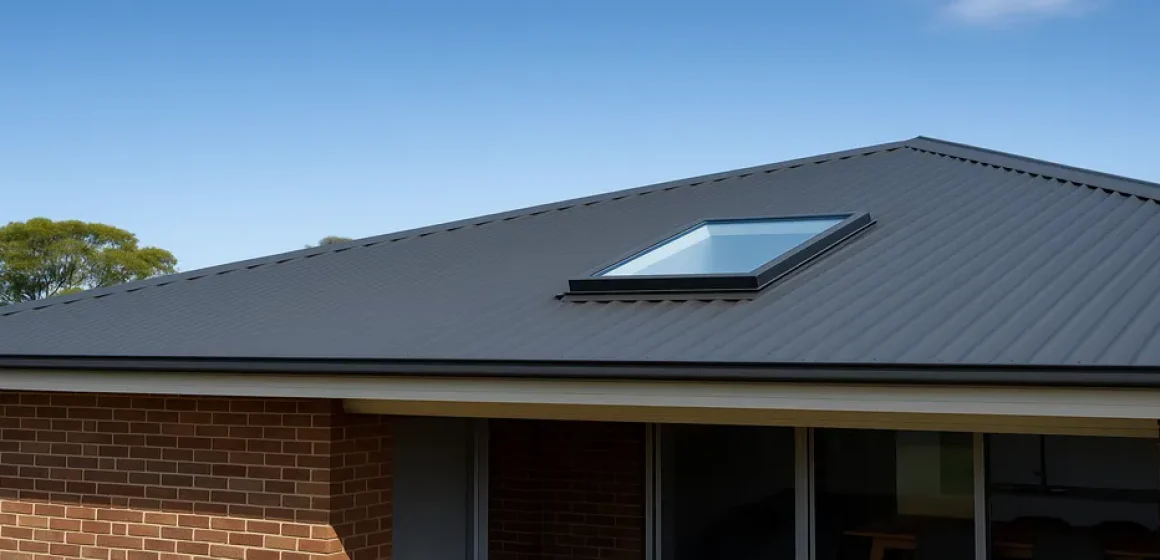
Skylights are a fantastic addition to Australian homes, flooding interiors with natural light and reducing the need for artificial lighting. However, without proper upkeep, they can develop leaks, condensation, or reduced clarity—all of which shorten their lifespan. By following a few essential skylight maintenance Australia guidelines, you’ll ensure your skylight remains efficient, leak-free, and visually appealing for years to come.
- Prolonged Lifespan: Routine checks can catch minor issues before they escalate, saving you costly repairs or replacements.
- Optimal Performance: A well-maintained skylight delivers maximum natural light, enhancing comfort and reducing energy bills.
- Increased Home Value: Clean, functional skylights boost your property’s aesthetics and appeal.
2. Regular Cleaning and Inspection
- Remove Debris
- In Australia, leaves, branches, and bird droppings can collect around skylights—especially after storms. Gently clear debris to prevent clogging drains or gutters.
- Glass or Acrylic Cleaning
- Soft Cloth or Sponge: Avoid abrasive tools that can scratch glass or acrylic.
- Mild Detergent: A diluted soapy solution works well for removing dust and grime.
- Avoid Harsh Chemicals: Solvents or ammonia-based cleaners may damage protective coatings.
- Visual Inspection
- Check for Cracks or Scratches: These can reduce clarity and allow moisture to seep in.
- Inspect Flashing and Seals: Look for gaps or signs of wear that may lead to leaks if left unchecked.
- Safety First
- Always use a sturdy ladder or harness if you’re accessing the roof.
- Consider hiring a professional if your skylight is hard to reach or if the roof is steep.
3. Sealing and Weatherproofing Strategies
- Reapply Sealant When Needed
- High-Quality Silicone or Polyurethane Sealant: Ideal for Australian climates.
- Inspect existing sealant for cracks or peeling—reapply to maintain an airtight and watertight seal.
- Check Flashing Integrity
- Metal Flashing is commonly used to direct water away from skylights. Ensure it’s free from rust or physical damage.
- Re-secure loose flashing using appropriate roofing nails or adhesives.
- Ventilation Considerations
- Operable Skylights: Check hinges, handles, and motorised parts to ensure they open and close smoothly.
- Condensation Control: Good ventilation around the skylight frame helps reduce moisture build-up.
4. Seasonal Maintenance Schedules
Australia’s diverse climates mean your skylight maintenance routine should align with local weather patterns. Here’s a quick guide:
- Pre-Summer (Queensland and other hot regions)
- Clean off debris to maximise airflow and prevent heat buildup.
- Recheck seals to handle the upcoming wet season.
- Pre-Winter (Victoria and cooler areas)
- Ensure flashing is intact to handle heavier rains.
- Inspect for condensation or heat loss issues.
- Post-Storm Checks
- If you’ve recently experienced a strong storm or cyclone, conduct a thorough inspection for cracks, dents, or flashing displacement.
5. Addressing Common Skylight Problems
- Leaks and Drips
- Re-seal Problem Areas: Gaps in the sealant are common culprits.
- Check the Roof Pitch: Improper slope can lead to water pooling around the skylight.
- Condensation
- Improve Ventilation: Use operable skylights or install roof vents.
- Add Insulation: In colder regions, consider upgrading to double- or triple-glazed skylights.
- Cloudy or Foggy Glass
- Moisture Between Panes: Might indicate failed glazing seals; professional repair or replacement may be necessary.
- Hard Water Stains: Use a vinegar-based solution to gently dissolve mineral deposits.
- Physical Damage
- Hail and Debris: In hail-prone regions, choose impact-resistant skylight materials.
- Scratches or Chips: Immediate repair can prevent cracks from spreading.
6. Tips for Coastal vs. Inland Regions
- Coastal Homes
- Salt and Corrosion: Salt air accelerates corrosion on metal parts. Inspect frames, flashing, and fasteners more frequently.
- Extra UV Exposure: Opt for skylights with UV-protective coatings if you live near Australia’s coastline.
- Inland or Rural Properties
- Dust and Debris: Windstorms can deposit dust and dirt on skylights. Increase cleaning frequency to maintain clarity.
- Bushfire Zones: Consider bushfire-rated skylights and more robust materials if you’re in a high-risk area.
7. FAQs on Skylight Maintenance
- How often should I clean my skylight?
- At least twice a year, or more frequently if you live in a heavily wooded or coastal area.
- Can I use a pressure washer?
- Generally not recommended, as high pressure can damage seals or force water into the skylight’s edges.
- Do skylights require professional servicing?
- Simple tasks like cleaning and checking seals can be DIY-friendly, but complex repairs—particularly motorised skylights—often require expert help.
- What if I see condensation inside a double-glazed skylight?
- This typically indicates a failed seal. You may need to replace the glass unit to fully resolve the issue.
8. Conclusion
Routine maintenance is key to extending the life of your skylight and getting the most from its natural light benefits. By implementing a regular skylight cleaning tips regimen—checking seals, cleaning glass, and addressing minor issues promptly—you’ll prevent larger, costlier repairs down the line. Whether you’re along the coastline of Queensland or the cooler suburbs of Victoria, these skylight upkeep strategies will keep your home bright, efficient, and leak-free for years to come.
Need professional assistance?
Contact a reputable skylight specialist in your region to schedule a maintenance check or address any concerns that might be beyond the scope of a DIY fix.