Overcoming Skylights Installation Challenges in Wollongong’s Flat Roof Homes
Case Study Context
Real-Life Scenario
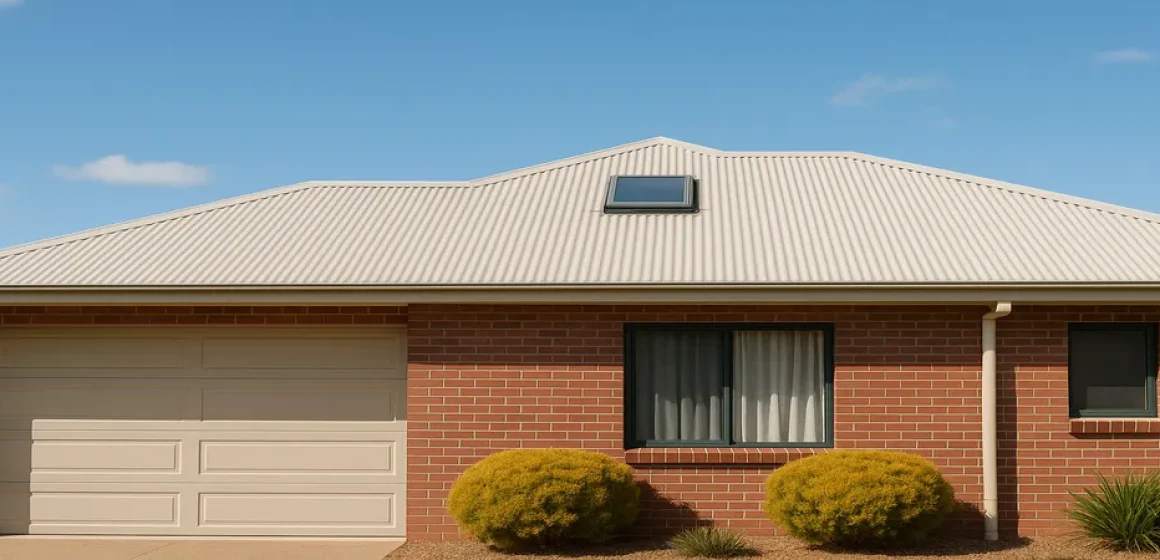
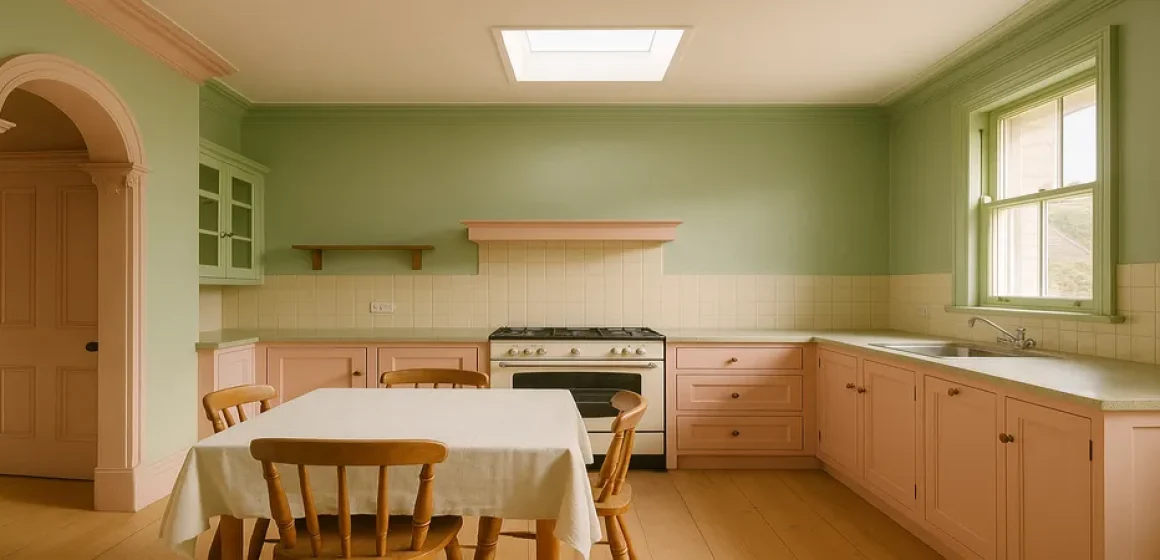
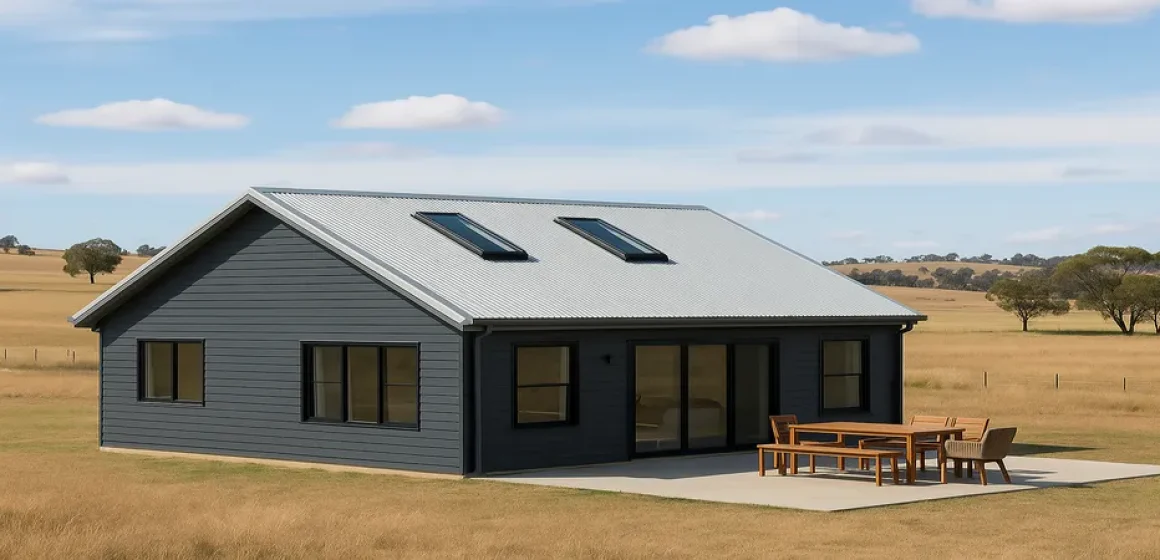
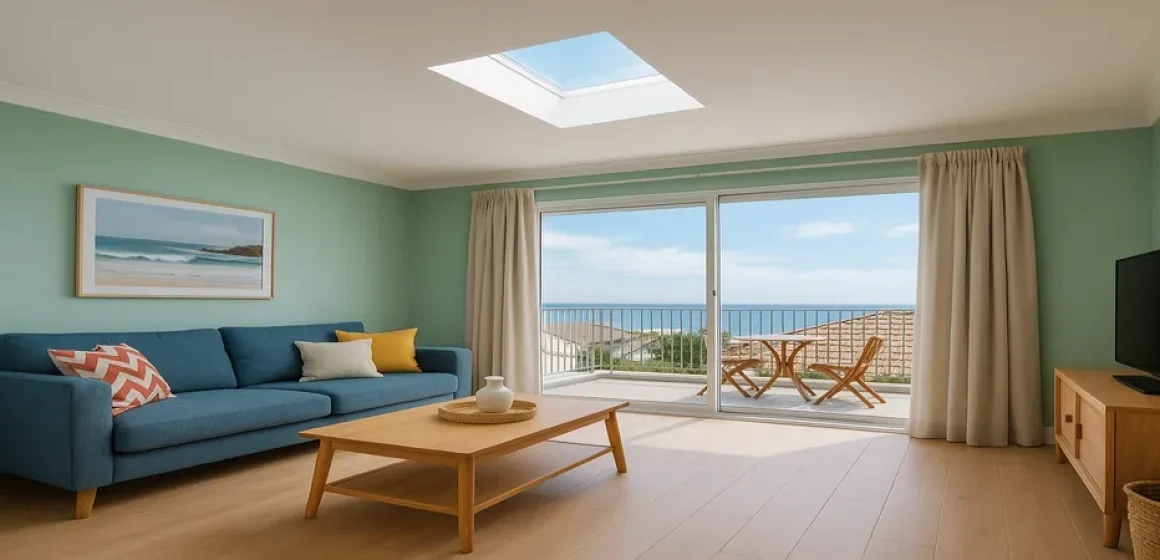
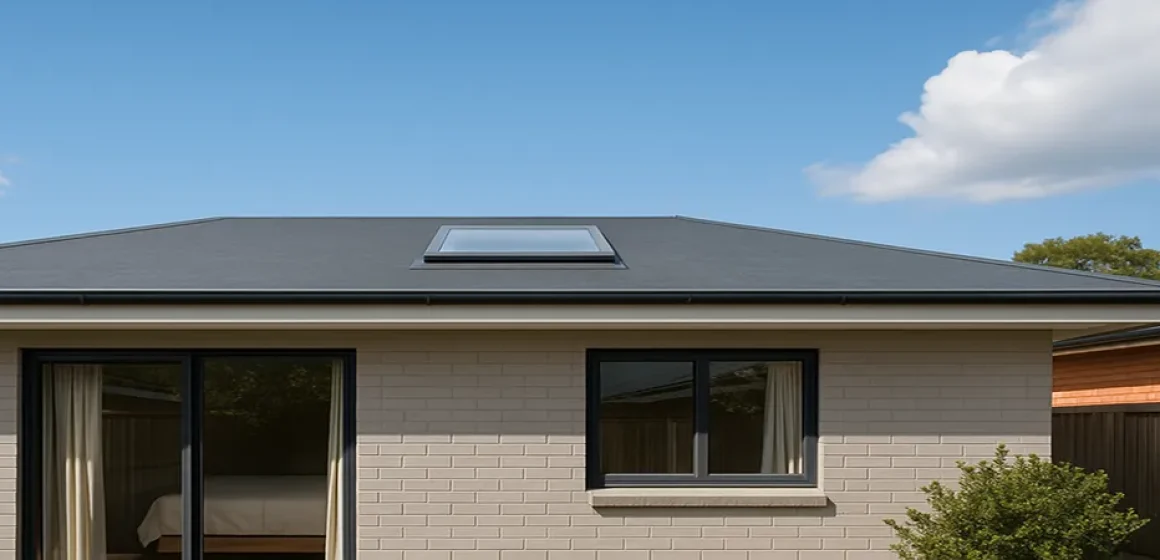
- Homeowner: Sarah lives in a single-storey bungalow near Wollongong’s coastal suburbs. Her roof has a low pitch—essentially flat—and she wants a skylight to brighten her kitchen-lounge area.
- Challenges: Concerns revolve around water drainage, leak prevention, salt-laden coastal winds, and meeting local council regulations.
Goal:
Install an energy-efficient skylight that captures natural light without causing leaks or overloading an almost-flat roof, all while maintaining compliance with NCC and relevant Australian Standards.
1. Why Flat Roofs in Wollongong Pose Unique Skylight Challenges
- Minimal Pitch & Water Pooling
- Drainage Issues: A low or near-zero pitch means rainwater can accumulate around skylight edges. Improper flashing quickly leads to leaks—particularly in coastal downpours.
- Structural Stress: Extra standing water exerts pressure on the roof, heightening the risk if the skylight or roof frame is not robust.
- Coastal Environment & Salt Air
- Corrosion Threats: Salt-laden breezes can corrode metal frames or flashing over time—marine-grade or powder-coated finishes become essential for longevity.
- Wind Gusts: Even a ‘flat’ roof might experience strong updrafts near the coast; skylight frames must handle wind loads effectively to avoid loosening or cracking seals.
- Wollongong’s Humid Summers & Mild Winters
- Condensation Potential: Flat roof cavities may trap humidity—ventilated skylights can help release moisture, preventing mould or dampness in an already coastal environment.
- Energy Efficiency Goals: Proper insulation and low U-value glazing ensure indoor comfort through cooler winter nights and warm, humid summers.
2. Key Skylight Solutions for Flat Roof Homes
A. Curb-Mounted Skylights
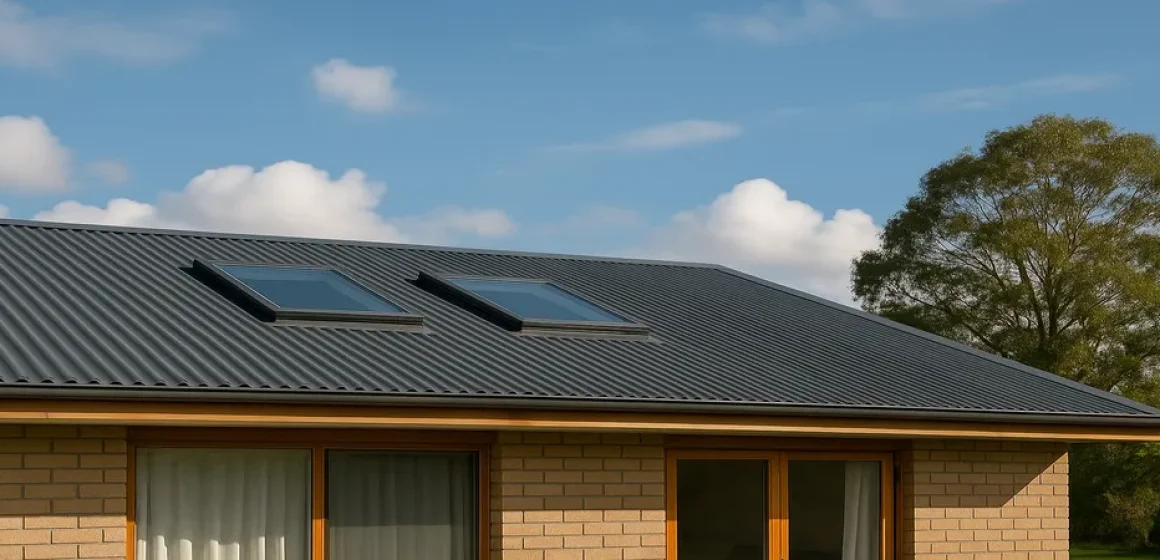
- Elevated Installation: A custom or factory-made curb raises the skylight above the roof plane, promoting water runoff.
- Sealed Flashing: Curbs typically feature dedicated flashing kits to ensure watertightness against flat surfaces.
B. Dome-Style Skylights
- Acrylic or Polycarbonate Domes: Often used in commercial low-slope roofs but can suit residential if storm-rated.
- Light Diffusion & Minimal Pooling: Domed tops help water and debris slide off more easily than flat glass. However, consider design aesthetics.
C. Tubular Skylights with Pitched Flashing
- Minimal Footprint: Ideal for smaller spaces or corridors, reducing potential leak points on a low-pitch surface.
- Reflective Tubing: Channels sunlight effectively even if the outer dome must be placed away from the target indoor area.
D. Insulation & Thermal Breaks
- Preventing Heat Transfer: Flat roofs are often more prone to heat accumulation—double or triple glazing plus insulated frames mitigate heat gain.
- Condensation Control: Good insulation also reduces the chance of internal condensation on cooler nights.
3. Managing Water Drainage & Moisture Risks
A. Slope & Drainage Enhancements
- Slight Re-Pitch: In some retrofits, raising the skylight’s base or curb to create a small slope can help direct water flow off the edges.
- Wide Flashing Extensions: Extending the flashing perimeter ensures water flows past the skylight, preventing ponding near the edges.
B. Quality Sealants & Flashing
- Marine-Grade Sealants: Products rated for coastal or high-moisture environments are crucial for preventing early breakdown.
- Regular Inspection: Check for cracking, peeling, or gaps in the seal after storms or windy spells. Immediate resealing averts bigger leak issues.
C. Ventilation Strategies
- Operable Skylight: Ensures humidity can escape, especially beneficial in kitchens or bathrooms prone to steam.
- Rooftop Vent Collaboration: Combine with roof vents if the property already has minimal pitched zones, ensuring warm, moist air has an escape route.
4. Compliance with NCC & Local Wollongong Regulations
A. National Construction Code (NCC)
- Structural Loading & Energy Efficiency:
- Skylights must meet U-value and Solar Heat Gain Coefficient (SHGC) criteria.
- Low pitch or flat roofs warrant a thorough structural check to confirm load capacity.
B. AS 1288—Glass in Buildings
- Safety Glazing Overhead:
- Toughened or laminated glass is required to mitigate injury risk if breakage occurs overhead.
C. AS/NZS 4284—Testing of Building Facades
- Wind-Driven Rain:
- Testing ensures skylight frames and seals withstand Wollongong’s heavy coastal rains, preventing internal water intrusion.
D. Wollongong Council Guidelines
- Roof Modification Permits:
- If modifying load-bearing sections or affecting the home’s external look, council approvals may be needed.
- Some heritage or design overlays might restrict visible skylights on front-facing roof sections.
5. Q&A on Flat Roof Skylights for Wollongong
Q1: Are flat roof skylights prone to more leaks than pitched-roof skylights?
Answer:
Yes, without the natural slope to guide water away, flat roof skylights demand careful flashing, curb mounting, and vigilant maintenance. However, done right, they can be as watertight as pitched-roof installations.
Q2: Is a dome-shaped skylight better for a flat roof?
Answer:
Dome-shaped skylights aid water runoff and reduce debris build-up. They’re a common commercial choice but can work residentially if aesthetic or local codes permit.
Q3: How do I combat coastal corrosion in Wollongong’s salt air?
Answer:
Use powder-coated or marine-grade frames, plus frequent rinsing of visible frames or flashing to remove salt residue, especially if you’re very close to the shoreline.
Q4: Do I need a professional installer, or can I attempt DIY on a flat roof?
Answer:
Flat roof skylights are more complex due to ponding risks and potential structural concerns. Hiring NSW-registered professionals typically ensures code compliance, watertight flashing, and correct materials.
Q5: Will a skylight on a flat roof help with winter warmth?
Answer:
If you choose double/triple glazing with Low-E coatings, skylights can admit extra natural light and mild warmth on sunny winter days. Ensure good insulation around the frame to minimise overnight heat loss.
6. Real-Life Example: Flat Roof Skylight in a Wollongong Terrace
Scenario:
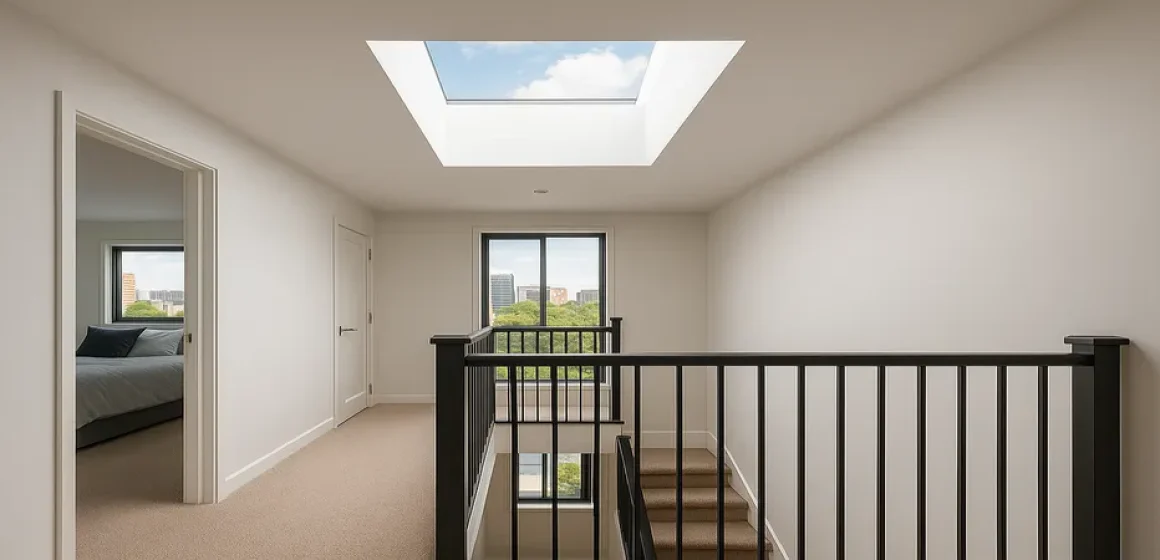
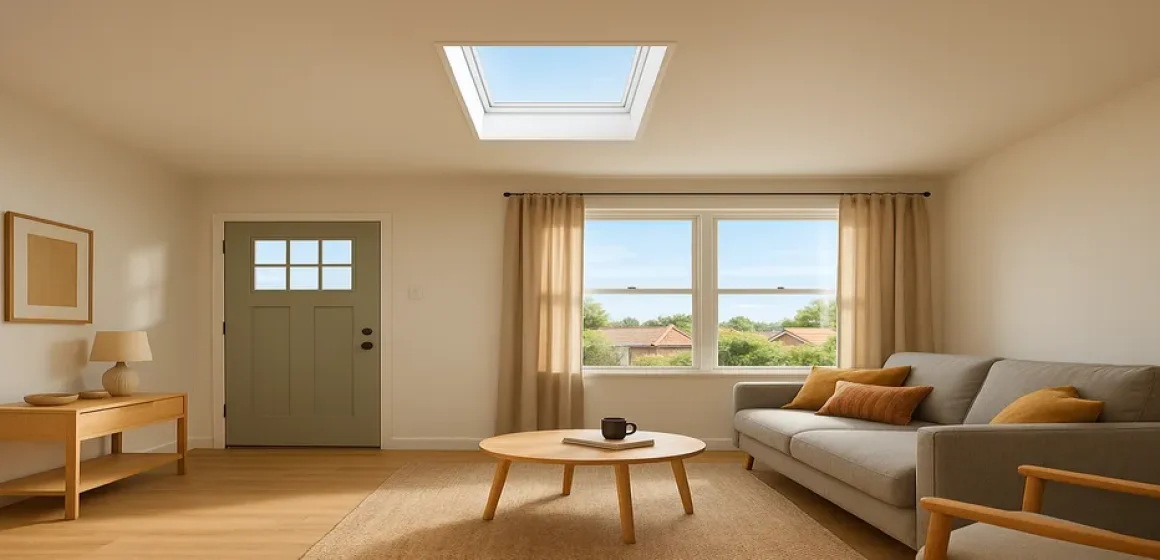
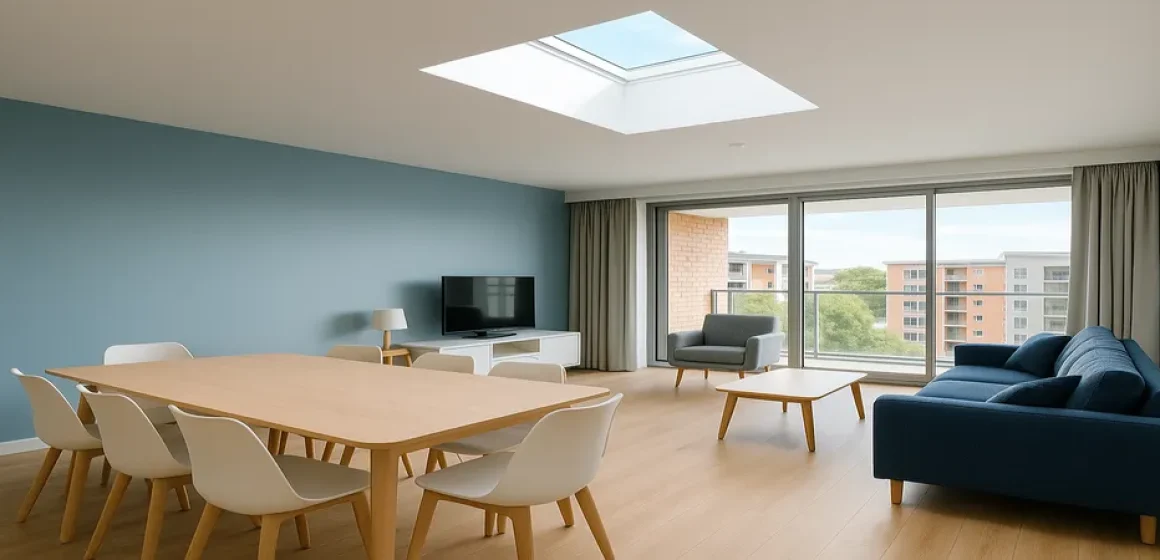
A single-storey post-war terrace near Wollongong’s city centre needed more daylight in its interior kitchen-lounge area. The roof was nearly flat, with minimal slope to drains.
Solution:
- Curb-Mounted Skylight: The installer built a small, raised curb (approx. 100mm high) to facilitate rain runoff, fitted with double-glazed Low-E panels.
- Extended Flashing & Powder-Coated Frame: Ensured wind-driven rain drained past the skylight edge, protected by a marine-grade finish against salt-laden breezes.
- Rain Sensor: Allowed the skylight to close automatically if storms approached, mitigating water ingress risk.
Outcome:
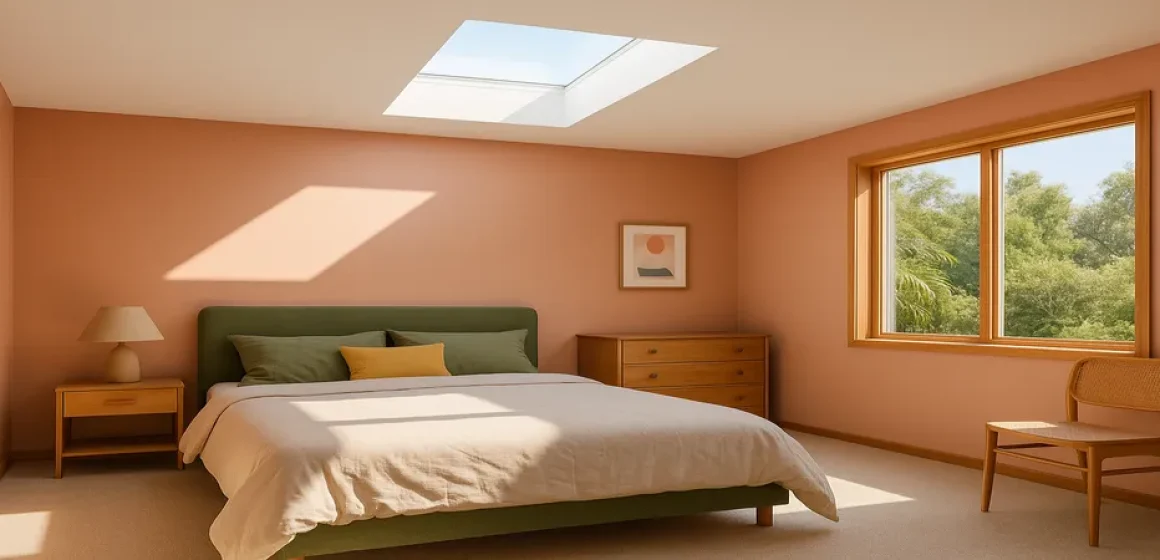
- Bright Kitchen-Lounge: Natural light replaced most daytime artificial lighting; the occupant reported energy savings on monthly electricity bills.
- No Leaks: Despite heavy seasonal rains, robust flashing and curb design kept the interior dry.
- Minimal Maintenance: Regularly rinsing off salt deposits around the skylight edges maintained corrosion-free performance.
(Energy savings are indicative and vary based on occupant behaviour and seasonal patterns.)
7. Conclusion
While flat roofs in Wollongong present unique skylight challenges—like water pooling, salt-air corrosion, and extra structural considerations—these obstacles can be overcome with specialised curb mounts, dome or double-glazed solutions, and marine-grade frames. Adhering to NCC structural and energy guidelines, plus timely maintenance, helps ensure long-term performance and comfort. For homeowners seeking to maximise daylight in a low-pitch environment, flat roof skylights offer a practical path to brighter, more energy-efficient living—without the dreaded leak fears or aesthetic compromises.
Action Steps: Installing Skylights on Flat Roofs in Wollongong
- Assess Roof & Structural Needs
- Consult NSW-registered professionals to evaluate roof load capacity, pitch, and potential pooling areas.
- Choose the Right Skylight Style
- Curb-Mounted or dome-shaped reduce water pooling. Pair with robust flashing kits for optimum seal.
- Focus on Corrosion Resistance
- Opt for powder-coated frames and hardware, plus marine-grade sealants to combat salt-laden air.
- Incorporate Ventilation or Automation
- An operable skylight can vent hot air during warm months; consider sensors if budget allows.
- Verify NCC & Local Council Compliance
- Skylights must meet overhead glazing safety (AS 1288) and weather resistance (AS/NZS 4284).
- Check any local heritage or design overlays if your property is in older suburbs.
- Plan a Maintenance Schedule
- Twice-yearly checks for salt buildup, cracked seals, and water drainage around the skylight. Quick post-storm inspections if heavy rain occurs.
By following these steps, Wollongong homeowners with flat roof dwellings can confidently install skylights that harness natural light, reduce energy costs, and stay leak-free—enriching their coastal lifestyle with bright and eco-friendly interiors.