Heritage Home Skylights in Wollongong: Preserving History While Modernising Light
1. Introduction
Wollongong, perched on the picturesque south coast of New South Wales, blends coastal beauty with historic architecture, especially in its older suburbs. For homeowners lucky enough to reside in heritage-listed properties, modern upgrades—like skylights—demand a careful balance between historical preservation and contemporary comfort. This article explores how to integrate skylights into Wollongong’s heritage homes successfully, focusing on local council regulations, energy efficiency, design strategies, and maintenance tips that retain the property’s original charm.
2. The Challenge of Heritage Skylights in Wollongong
- Preserving Architectural Identity
- Distinctive Rooflines: Many Wollongong heritage houses feature ornate ridge caps, tiled roofs, or timber trusses that require subtle skylight placements.
- Facade Integrity: Heritage overlays often restrict visible roof modifications from street level, requiring discreet skylight designs or hidden roof slopes.
- Local Climate Factors
- Coastal Humidity & Salt Air: Depending on proximity to the sea, metal components and flashing may face corrosion—powder-coated or marine-grade frames are essential.
- Mild Winters, Warm Summers: Skylights must handle varied temperatures, providing warmth in winter and ventilation in summer without compromising aesthetics.
- Regulatory Framework
- Council Permissions: Wollongong City Council or heritage bodies may demand detailed plans showing how the skylight fits the home’s historical character.
- Structural Considerations: Some older roofs might need reinforcement to safely install a skylight without jeopardising integrity.
3. Compliance with Heritage Regulations and NCC
A. Local Heritage Overlays
- Heritage Permits: If your property is heritage-listed, a formal permit or design review is usually required before installing a skylight.
- Minimal Visual Impact: Plans must demonstrate how the skylight doesn’t detract from the home’s original facade or roofing profile.
B. National Construction Code (NCC)
- Energy Efficiency: Skylights must adhere to U-value and Solar Heat Gain Coefficient (SHGC) standards to maintain the property’s overall energy performance.
- Structural Loads: The roof structure, especially in older builds, should handle the skylight’s weight and any wind uplift, verified through AS/NZS 4284 testing or local compliance checks.
C. AS 1288—Glass in Buildings
- Safety Glazing: Overhead skylights must feature toughened or laminated glass to protect occupants if breakage occurs.
- Installation Protocols: Properly sealed and flashed to avoid moisture issues, essential in coastal or humid regions.
D. Bushfire Overlays (If Applicable)
- AS 3959 Compliance: If located in a bushfire zone, select ember-resistant glass and frames meeting the BAL (Bushfire Attack Level) rating.
- Ember Guards: Additional protective measures like metal mesh screens may be necessary around operable skylights.
4. Designing Skylights for Heritage Properties
A. Discreet Placement
- Hidden Roof Slopes: Position skylights on non-street-facing sides of the roof, preserving the front facade’s historic profile.
- Minimal Framing: Opt for low-profile skylight frames that blend in with existing roof lines, especially on tiled or terracotta roofs common in Wollongong’s older suburbs.
B. Sympathetic Materials
- Matching Roof Tiles and Colours: Powder-coated frames or flashings in heritage-friendly hues reduce visual disruption.
- Timber-Look or Bespoke Finishes: For internal ceilings with ornate plaster or timber beams, choose internal skylight liners that suit period details.
C. Energy Efficiency and Aesthetics
- Double or Triple Glazing with Low-E Coatings: Enhances thermal comfort, essential in moderate coastal climates with potential humidity.
- Tints or Blinds: Keep glare in check while safeguarding original interiors from UV-induced fading.
5. FAQs: Skylights in Wollongong’s Heritage Homes
- Do I need a permit for adding skylights to a heritage-listed house in Wollongong?
- Most likely, yes. You’ll usually submit plans to Wollongong City Council or heritage authorities to confirm the skylight’s design is historically respectful.
- Will skylights clash with my home’s original roof tiles?
- By choosing low-profile frames and tiles that match or complement the roof’s colour, skylights can remain relatively inconspicuous. Minimising visible changes is key.
- Are modern skylights too energy-intensive for older properties?
- High-quality glazing and insulated frames can reduce heat loss/gain, often enhancing energy efficiency compared to relying on artificial lighting.
- Do I need to worry about corrosion if I’m near Wollongong’s coast?
- Yes. Opt for marine-grade or powder-coated finishes and schedule routine cleaning to remove salt deposits. This prevents rust and extends the skylight’s lifespan.
- Can skylights damage historical plaster ceilings or ornate cornices?
- With careful planning—like using flexible light shafts or smaller tubular skylights—you can protect interior decor. Engage a heritage-savvy installer if the ceiling is intricately decorated.
6. Real-Life Example: A Heritage Cottage in Central Wollongong
Scenario:
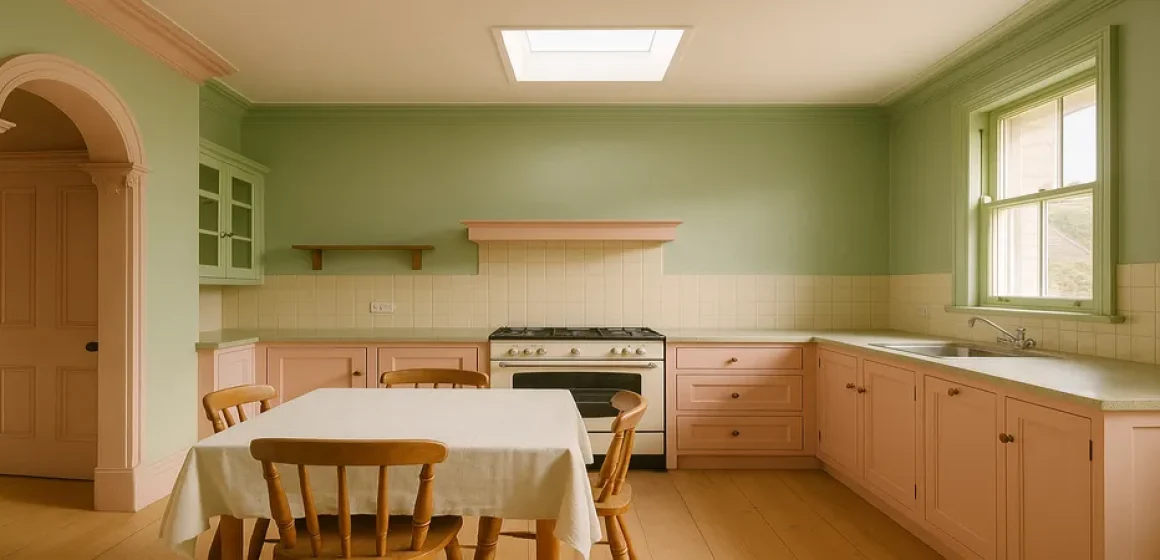
A double-brick cottage from the early 1900s, near Wollongong’s CBD, needed extra daylight in its centrally located kitchen-dining space without altering the heritage facade.
Solution:
- Tubular Skylights: Chosen to minimise roof alterations and remain invisible from the street.
- Powder-Coated Flashing: Matched the original terracotta tiles, ensuring the skylights don’t stand out.
- Double-Glazed Liner: Maintained a comfortable interior climate and prevented condensation on cooler, damp mornings.
Outcome:
- The once-dim dining area became bright enough for daytime meals with no artificial lighting, cutting electricity bills.
- The property retained its authentic street appeal, fulfilling local heritage requirements.
- Minimal maintenance was required thanks to corrosion-resistant finishes and snug flashing seals.
(Energy savings are illustrative; actual results depend on property conditions and occupant usage.)
7. Conclusion
For Wollongong homeowners blessed with heritage properties, installing skylights may seem daunting. However, when approached with respect for historical design, careful compliance with heritage and building codes, and modern energy-efficient technology, skylights can elegantly merge the past with the present. By selecting discreet roof slopes, matching roof materials, and quality glazing, you’ll introduce natural light that revitalises the home without overshadowing its timeless charm.
Action Steps: Skylight Installation in Wollongong’s Heritage Homes
- Assess Roof & Heritage Overlay Requirements
- Confirm if your area is under heritage restrictions; consult local council or heritage bodies for approval.
- Choose Subtle Skylight Options
- Opt for low-profile or tubular skylights positioned away from street-facing angles to maintain the original roofline.
- Engage Heritage-Savvy Professionals
- Find NSW-registered installers experienced in historical properties. They can ensure compliance and minimal structural disruption.
- Select Energy-Efficient Features
- Incorporate double/triple glazing, Low-E coatings, and insulated frames for year-round comfort in Wollongong’s coastal climate.
- Use Corrosion-Resistant Materials
- Powder-coated or marine-grade frames help stave off salt-air effects if you’re within range of sea breezes.
- Regular Maintenance
- Inspect seals, flashing, and any internal plaster details periodically. Keep surfaces clean to maximise natural light transmission.
By carefully balancing historical preservation with contemporary skylight solutions, you can brighten Wollongong’s heritage homes—all while safeguarding the property’s storied character for future generations.