Eco-Conscious Skylights for Mount Gambier’s Changing Seasons
Embracing Natural Light in Mount Gambier
Mount Gambier, in the southeastern region of South Australia, is famed for its picturesque landscapes, volcanic craters, and variable seasons—ranging from mild summers to chilly, damp winters. Integrating eco-conscious skylights can help homeowners adapt to Mount Gambier’s changing weather, enhance indoor comfort, and reduce energy consumption. This article offers a fresh perspective on selecting, installing, and maintaining skylights optimised for sustainability, local building code compliance, and the town’s unique climate challenges.
A Fresh Look at Mount Gambier’s Climate & Skylight Needs
1. Mount Gambier’s Seasonal Shifts
- Cool, Wet Winters: Frequent rain and cold snaps demand insulated skylights to preserve warmth.
- Mild Summers: Temperatures remain moderate but can occasionally climb—glazing solutions should minimise overheating.
- Significant Temperature Swings: Thermal breaks and Low-E coatings can maintain consistent indoor temperatures year-round.
2. Eco-Conscious Approach
- Sustainability Goals: Local residents often value reducing carbon footprints—energy-efficient skylights align with these aims by lowering artificial lighting and heating needs.
- Rainwater Collection Considerations: Many Mount Gambier homeowners rely on rainwater tanks—ensuring skylights don’t compromise roof drainage is crucial.
Adapting Skylights to Changing Seasons: Three Key Panels
In this article, we’ll examine three key focus areas crucial to maximising skylight performance in Mount Gambier’s climate, let’s consider three major focus panels that guide your decision-making:
Panel 1: Energy-Efficient Design
- Double or Triple Glazing
- Thermal Control: Minimises heat loss in winter and reduces heat gain in summer.
- Sound Insulation: Dual or triple panes also dampen external noise, which can be beneficial when rain falls steadily on the skylight.
- Low-E Coatings
- UV Reflection: Blocks ultraviolet rays, protecting furnishings from fading.
- Consistent Indoor Climate: Retains indoor warmth in cooler months, cutting down on heating costs.
- Insulated Frames & Thermal Breaks
- Prevent Heat Bridging: Vital for Mount Gambier’s winters, ensuring your skylight doesn’t become a thermal weak spot.
- Marine-Grade or Powder-Coated: If your area experiences high moisture, frames with corrosion-resistant finishes can extend skylight life.
Panel 2: Compliance & Local Codes
- National Construction Code (NCC)
- Energy Efficiency Requirements: Skylight U-value and Solar Heat Gain Coefficient (SHGC) must meet minimum standards.
- Structural Integrity: Must handle potential wind loads and heavy rainfall.
- AS 1288—Glass in Buildings
- Overhead Glazing Safety: Skylights should use toughened or laminated glass to protect occupants from breakage hazards.
- Local Council Regulations
- Permit Checks: Depending on the scale of your skylight installation, a building permit may be required. Check with Mount Gambier City Council for specifics.
- Heritage Overlays (If Applicable): Some older Mount Gambier homes might have heritage elements—seek council guidance if roof modifications alter the building’s façade.
Panel 3: Seasonal Maintenance & Rural Considerations
- Regular Seal & Flashing Inspections
- Rain-Heavy Winters: Ensure seals remain watertight to prevent leaks or moisture damage.
- Wind-Driven Rain: Proper flashing alignment is crucial, especially if your property is exposed to strong winds.
- Cleaning & Debris Management
- Fallen Leaves & Rainwater Gutters: The region’s vegetation can lead to leaf buildup around skylights—periodic clearing avoids blockages and water pooling.
- Glass Surface Maintenance: Gentle washing with mild detergent keeps the skylight clean and light-transmissive.
- Operable Skylight Checks (If Applicable)
- Ventilation Benefits: Release heat in mild summers, plus remove humidity in winter.
- Lubrication & Sensors: Keep hinges rust-free, and ensure any automated rain or temperature sensors function properly.
FAQs: Skylights in Mount Gambier’s Eco-Conscious Homes
- Will skylights in Mount Gambier lead to excessive heat during warmer months?
- With double-glazing, Low-E coatings, and appropriate shading, skylights can limit heat gain, keeping interiors comfortable even in the mild summer peaks.
- Are bushfire-rated skylights necessary for Mount Gambier properties?
- If your home is in or near a bushfire-prone zone, check BAL ratings (AS 3959 compliance). Ember-resistant glass and frames may be required to meet code.
- Does heavy rainfall affect skylight performance in winter?
- Proper flashing, tight seals, and robust drainage design prevent leaks or water intrusion. Routine inspections are crucial for ongoing performance.
- How often should skylights be maintained in a region with moderate rainfall like Mount Gambier?
- Biannual checks—in autumn and spring—plus any post-storm inspections ensure seals remain intact and surfaces stay free of debris.
- Can skylights truly reduce energy bills in cooler climates?
- Yes. Through passive solar heating in winter and decreased artificial lighting needs, eco-focused skylights contribute to lower energy consumption overall.
Real-Life Example: Skylight Installation in a Mount Gambier Homestead
Scenario:
A renovated stone homestead on a small acreage outside Mount Gambier needed better lighting in the kitchen-living area, especially during dreary winter afternoons.
Solution:
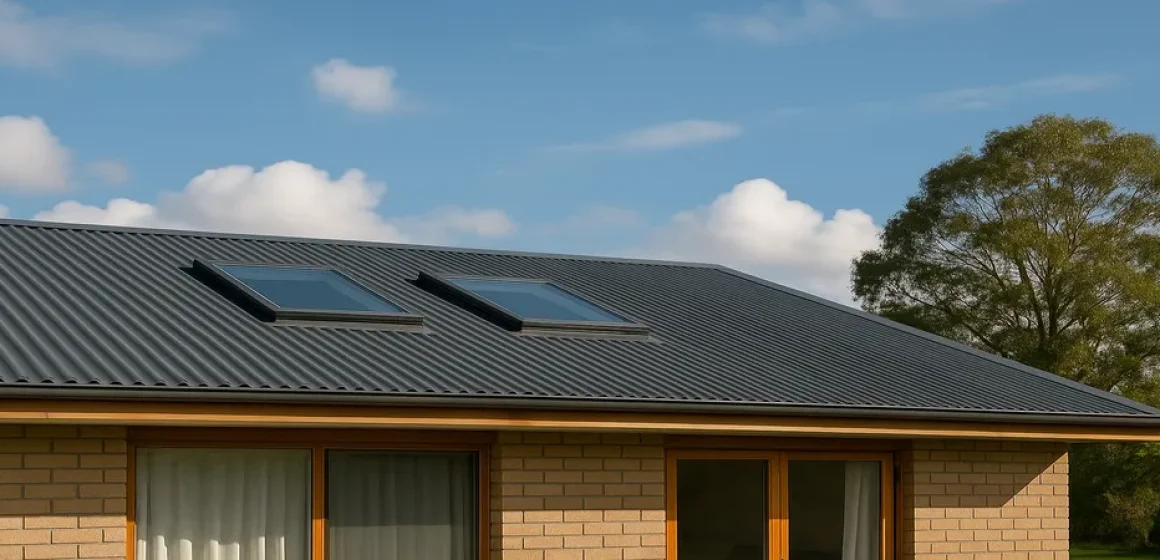
- Triple-Glazed Skylights with Low-E coatings installed above the central living space, capturing maximum daytime light.
- Insulated Timber Frames with thermal breaks to align with the home’s natural aesthetics, plus high insulation for cooler months.
- Strategic Orientation: Skylights placed on the north-facing roof slope to harness morning and mid-day sun while minimising late afternoon glare.
Outcome:
- Achieved 20–25% reduction in artificial lighting usage across daytime hours, plus moderate winter heating savings due to passive solar gain.
- Maintained the homestead’s rustic charm by selecting frames and finishes that blended with its stone façade.
- Proper flashing and drainage design ensured no leaks despite the region’s sporadic heavy rains.
(Energy savings are illustrative; actual results vary based on usage patterns and seasonal conditions.)
Conclusion
Mount Gambier’s variable seasons demand adaptable, eco-conscious skylight solutions. By selecting energy-efficient glazing, insulated frames, and thoroughly tested installations that comply with NCC standards, homeowners can harness natural light while mitigating winter chills and summer heat. Routine maintenance—addressing seals, flashings, and debris removal—prolongs skylight performance and preserves indoor comfort. Whether you’re refreshing a classic stone homestead or designing a new eco-friendly dwelling, skylights in Mount Gambier can illuminate your living spaces for a brighter, sustainable future.
Action Steps: Eco-Conscious Skylights for Mount Gambier
- Assess Your Home’s Orientation
- Identify which roof slopes receive beneficial winter sun while avoiding harsh afternoon glare in summer.
- Choose Energy-Efficient Features
- Opt for double/triple glazing, Low-E coatings, and insulated frames to handle Mount Gambier’s climatic shifts.
- Engage Reputable Installers
- Consult SA-registered skylight professionals experienced in local building codes and rural/regional climates.
- Check for Bushfire Ratings
- If your property’s in a bushfire overlay, ensure compliance with AS 3959 by using ember-resistant materials and frames.
- Implement Seasonal Maintenance
- Clear leaves from around skylights, inspect seals, and wash glass surfaces to maintain optimum daylighting.
- Embrace Passive Solar Design
- Incorporate skylights into a broader eco-home strategy, reducing reliance on artificial heating and lighting throughout the year.
By following these steps, you can integrate eco-conscious skylights tailored to Mount Gambier’s dynamic climate, contributing to a comfortably lit, energy-efficient home that remains in harmony with its local environment.