Skylights in Melbourne’s Heritage Homes: Balancing Modern Light with Historical Integrity
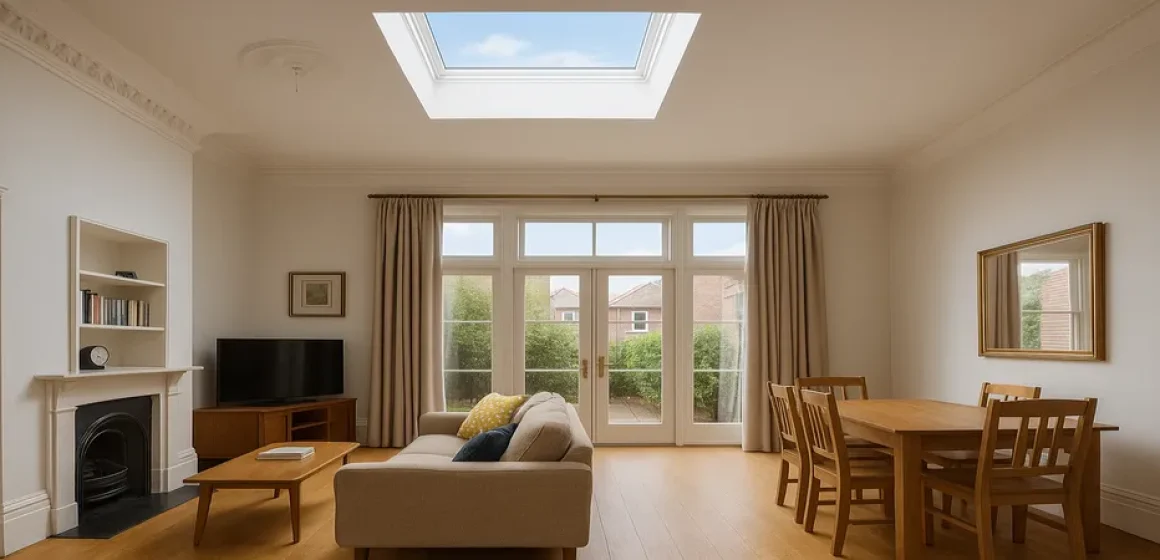
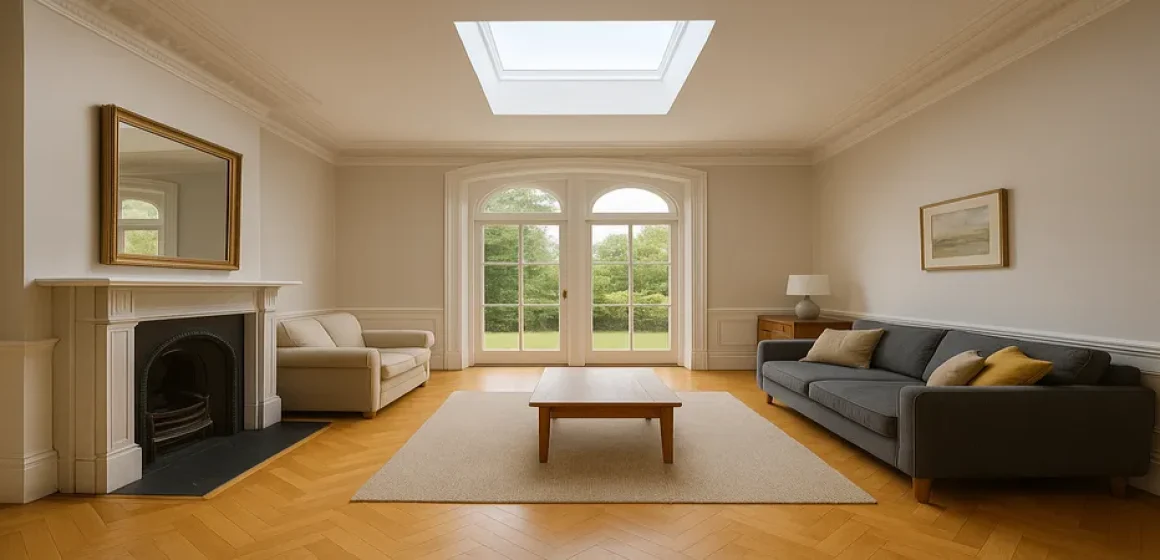
Melbourne’s rich architectural heritage boasts a diverse array of heritage homes, each with unique design elements and historical significance. While these residences exude timeless charm, they often present challenges when homeowners seek to modernize their spaces with features like skylights. Installing skylights in heritage homes requires a delicate balance between introducing natural light and modern amenities while preserving historical integrity. This article explores how to seamlessly integrate skylights into Melbourne’s heritage homes, offering design strategies, compliance guidelines, and energy-efficient solutions that honor the past while embracing the future.
1. Understanding the Challenges of Heritage Home Skylight Installations
A. Preserving Architectural Integrity
- Distinctive Features: Heritage homes often feature ornate ceilings, intricate moldings, and historical craftsmanship that skylights must respect and complement.
- Aesthetic Consistency: Introducing modern skylights should not disrupt the visual harmony of the home’s original design, ensuring that new elements blend seamlessly with existing architectural details.
B. Compliance with Heritage Regulations
- Local Heritage Overlays: Many heritage homes are located within heritage overlays that impose specific restrictions on alterations to preserve the building’s historical significance.
- Approval Processes: Installing skylights typically requires permissions from local councils or heritage bodies, necessitating detailed proposals that demonstrate respect for the property’s heritage value.
C. Structural Considerations
- Roof Integrity: Heritage roofs may have unique structures or materials that require careful assessment to accommodate skylight installations without compromising structural integrity.
- Weatherproofing: Ensuring that skylights do not introduce leakage points is crucial, especially in older buildings where roof integrity is paramount.
2. Design Strategies for Heritage Home Skylights
A. Discreet and Minimalist Designs
- Subtle Integration: Opt for skylights with minimal frames and low profiles to ensure they remain unobtrusive and do not detract from the home’s historical features.
- Custom Finishes: Select skylight finishes that match existing roof materials or architectural styles, such as wrought iron or period-appropriate colors.
B. Strategic Placement
- Non-Intrusive Areas: Install skylights in areas that do not interfere with historical elements, such as central hallways, behind fireplaces, or above staircases.
- Maximising Light Without Altering Facades: Position skylights in parts of the roof that are not visible from the street to maintain the home’s external appearance.
C. Utilizing Tubular Skylights (Sun Tunnels)
- Minimal Roof Penetration: Tubular skylights require smaller roof openings, making them ideal for heritage homes where larger penetrations might be restricted.
- Focused Light: These skylights channel light directly into specific areas, such as kitchens or bathrooms, without affecting the overall roof structure.
3. Compliance with Melbourne’s Heritage and Building Codes
A. National Construction Code (NCC)
- Energy Efficiency Standards: Ensure skylights meet NCC requirements for U-values and Solar Heat Gain Coefficient (SHGC) to maintain the home’s energy performance.
- Safety Standards: Comply with AS 1288 for overhead glazing safety, using toughened or laminated glass to protect occupants from potential breakage.
B. AS 3959—Construction of Buildings in Bushfire-Prone Areas
- Fire-Resistant Features: If the heritage home is in a bushfire-prone area, skylights must incorporate fire-resistant glazing and non-combustible framing to comply with AS 3959 standards.
C. Local Council Regulations
- Heritage Permits: Obtain necessary permits from local councils, providing detailed plans that highlight how skylight installations will preserve architectural integrity.
- Design Reviews: Submit designs for heritage reviews, ensuring that proposed skylight installations align with heritage preservation guidelines.
4. Energy-Efficient Solutions for Heritage Skylights
A. Double or Triple Glazing
- Enhanced Insulation: Utilize double or triple-glazed skylights to improve thermal performance, reducing heat loss in winter and heat gain in summer.
- Sound Insulation: Multi-glazed skylights also provide better sound insulation, contributing to a quieter indoor environment.
B. Low-E Coatings
- Reflective Properties: Low-E coatings help in retaining indoor heat during colder months and blocking excess solar heat in warmer periods, enhancing energy efficiency.
- UV Protection: Protect interior furnishings from fading by limiting UV radiation penetration through skylights.
C. Insulated Frames and Thermal Breaks
- Preventing Heat Bridging: Insulated frames and thermal breaks reduce heat transfer between the interior and exterior, maintaining consistent indoor temperatures.
- Energy Conservation: These features help in minimising energy consumption, contributing to a more sustainable living environment.
5. Installation Tips for Heritage Home Skylights
A. Professional Assessment and Planning
- Structural Evaluation: Engage a structural engineer to assess the roof structure and ensure it can support skylight installations without compromising integrity.
- Detailed Planning: Develop comprehensive plans that include placement, size, and design of skylights to align with both heritage preservation and modern functionality.
B. Selecting the Right Installer
- Experienced Professionals: Choose installers with experience in heritage home renovations, understanding the nuances of working with historical properties.
- Compliance Assurance: Ensure the installer is familiar with Victorian building codes and heritage regulations, guaranteeing compliant and high-quality installations.
C. Maintenance Considerations
- Regular Inspections: Schedule periodic inspections to maintain seals and ensure weatherproofing, preventing leaks and preserving energy efficiency.
- Cleaning and Upkeep: Keep skylights clean to maximise natural light transmission and prevent buildup of debris or grime.
6. FAQs: Skylights in Melbourne’s Heritage Homes
- Can I install skylights in a heritage-listed Victorian home without altering its appearance?
- Yes. By choosing discreet designs and strategic placement, skylights can be integrated without compromising the home’s external appearance. Consulting with heritage specialists and obtaining necessary permits is essential.
- Do skylights in heritage homes comply with Melbourne’s energy efficiency standards?
- Absolutely. Selecting energy-efficient skylight options like double glazing and Low-E coatings ensures compliance with NCC energy standards, enhancing the home’s energy performance.
- What types of skylights are best suited for heritage homes?
- Tubular skylights and fixed skylights with minimal framing are ideal for heritage homes due to their subtle integration and minimal roof penetration.
- Are there special maintenance requirements for skylights in older homes?
- Yes. Regular maintenance includes cleaning the glass, inspecting seals, and ensuring that any operable features function smoothly to prevent leaks and maintain energy efficiency.
- How do skylights affect the value of a heritage home?
- Properly installed skylights can increase property value by enhancing natural light, improving energy efficiency, and modernising the home while preserving its historical charm.
7. Real-Life Example: Skylight Installation in a Melbourne Heritage Terrace
Scenario:
A renovated Victorian terrace home in Carlton sought to modernise its interiors by introducing natural light without disrupting its historical façade.
Solution:
- Installed a tubular skylight above the central staircase to illuminate the otherwise dimly lit hallway.
- Chose double-glazed tubular skylights with Low-E coatings to enhance energy efficiency and maintain thermal comfort.
- Positioned the skylight on a roof section not visible from the street, preserving the home’s external historical appearance.
- Engaged a heritage-savvy installer to ensure compliance with local council regulations and heritage guidelines.
Outcome:
- The hallway became significantly brighter, reducing the need for artificial lighting and enhancing the home’s aesthetic appeal.
- Achieved a 15% reduction in lighting energy costs during daylight hours.
- Maintained the home’s historical integrity, receiving positive feedback from both residents and heritage authorities.
(Energy savings are illustrative; actual results may vary based on specific home conditions and usage patterns.)
8. Conclusion
Integrating skylights into Melbourne’s heritage homes is a nuanced endeavour that blends modern functionality with historical preservation. By adopting strategic design, selecting energy-efficient skylight options, and adhering to heritage and building codes, homeowners can enhance their living spaces with natural light and ventilation without compromising the architectural legacy of their properties. Whether renovating an existing heritage home or planning a new restoration, skylights offer a sustainable and aesthetically pleasing solution that honours the past while embracing the future.
Action Steps: Install Skylights in Your Melbourne Heritage Home
- Evaluate Your Home’s Lighting Needs
- Identify areas that would benefit most from natural light and improved airflow, such as hallways, kitchens, or central living areas.
- Choose the Right Skylight Type
- Opt for tubular skylights or fixed skylights with minimal framing to ensure discreet integration and maintain historical aesthetics.
- Consult with Heritage Specialists
- Engage professionals experienced in heritage home renovations to guide you through the design and approval processes.
- Check Local Council Regulations
- Verify if your home is under any heritage overlays or specific building regulations that affect skylight installations and obtain necessary permits.
- Select Energy-Efficient Features
- Choose skylights with double glazing, Low-E coatings, and insulated frames to enhance energy efficiency and maintain thermal comfort.
- Engage Professional Installers
- Hire VBA-registered installers with experience in heritage properties to ensure compliant and high-quality installations.
- Plan for Regular Maintenance
- Schedule routine inspections and cleanings to maintain skylight performance, prevent leaks, and preserve energy efficiency.
- Incorporate Smart Controls (Optional)
- Integrate smart controls to automate skylight functions, enhancing convenience and energy management.
By following these steps, you can successfully incorporate skylights into your Melbourne heritage home, creating a bright, comfortable, and energy-efficient living environment that respects and preserves the historical essence of your property.