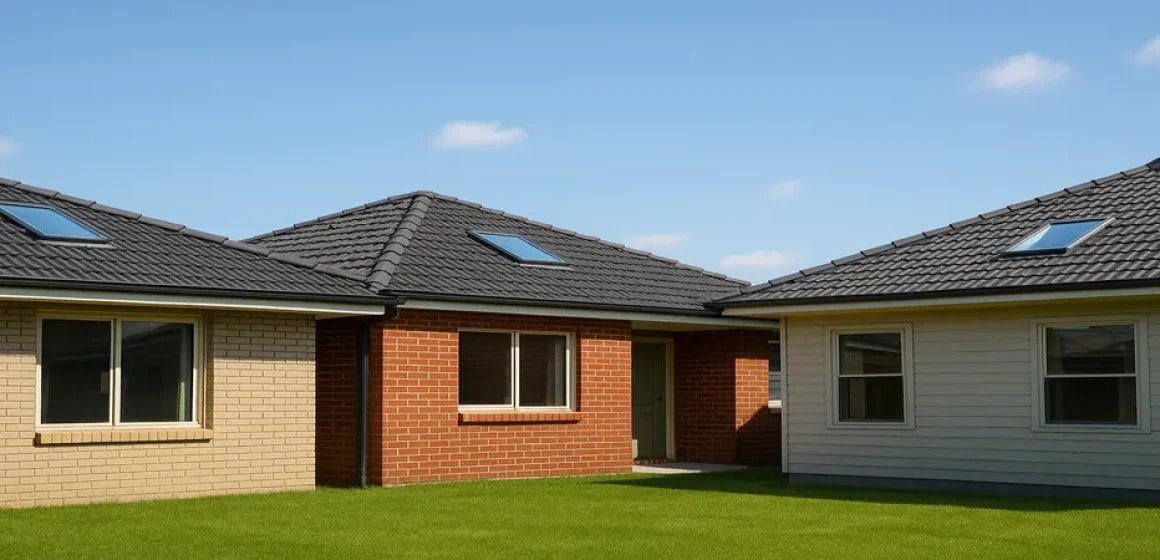
Why Skylights Are a Game-Changer for Townsville’s Family Homes
Townsville, nestled on Queensland’s north-eastern coast, experiences warm, humid summers, mild, dry winters, and frequent storm events—all part of its tropical allure. Families seeking more natural light, energy efficiency, and a cooler indoor environment can turn to skylights as a transformative home improvement. Below are five big reasons skylights are a game-changer for family homes in Townsville, alongside local code compliance and maintenance tips for the wet season and beyond.
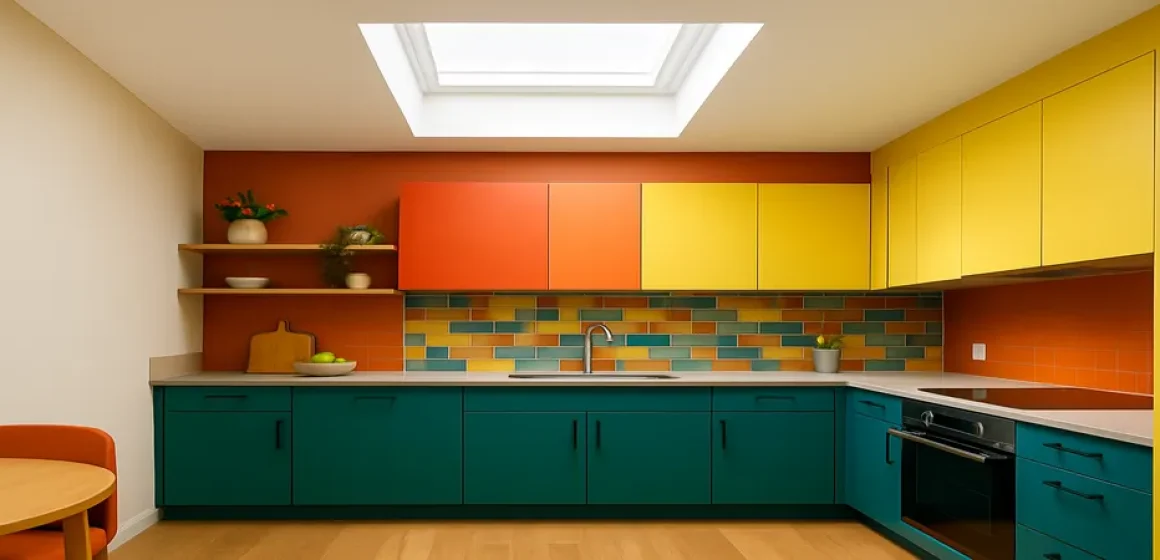
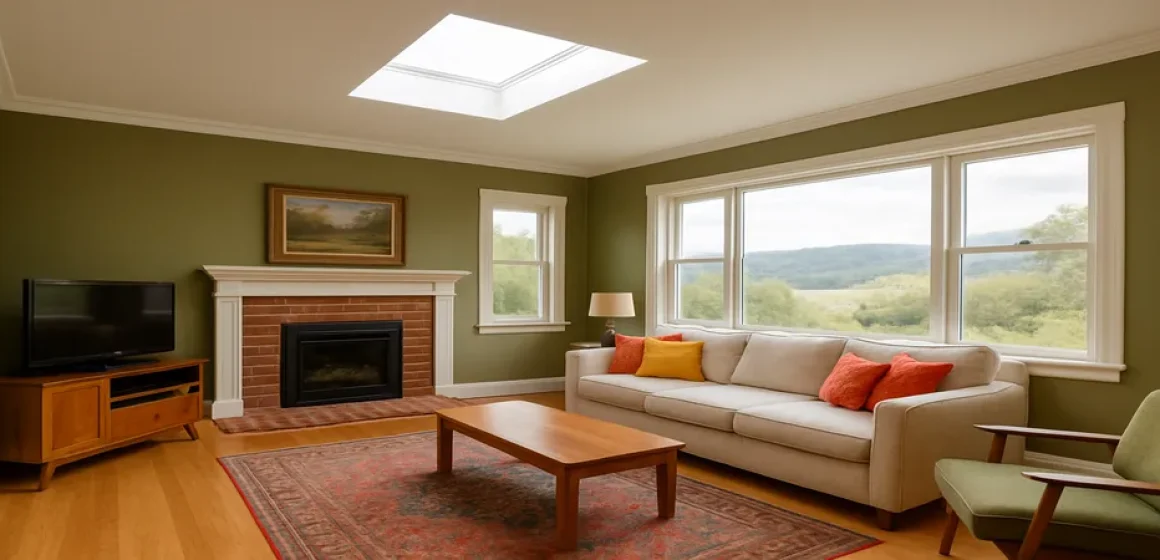
1. Abundant Natural Light for Busy Family Spaces
Why It’s Crucial in Townsville:
- Brighten Interiors Year-Round: The city averages over 320 sunny days a year. Skylights harness abundant sunlight—perfect for busy family lounges, kitchens, or play areas.
- Reduced Electricity Bills: Relying less on daytime artificial lighting lowers monthly expenses, especially helpful for families juggling budgets.
Practical Advice:
- Room Choice Matters: Install above high-traffic zones, such as living rooms or open-plan kitchens, to see the biggest lighting impact.
- Consider Glare Control: Tinted or Low-E glazing minimises harsh midday rays, ensuring a comfortable brightness level for children’s activities.
2. Improved Ventilation & Heat Management
Why It’s Crucial in Townsville:
- Tropical Heat & Humidity: Townsville’s summer highs can hover around 32–35°C with elevated humidity. Proper ventilation cuts down stuffiness and reduces air conditioning loads.
Practical Advice:
- Operable Skylights: Manually or motorised openable skylights release hot, rising air at ceiling level—creating a cooler indoor environment.
- Rain Sensors: Sudden summer downpours happen. A motorised skylight with a rain sensor ensures you’re not left with water intrusion if a storm rolls in while you’re out.
3. Storm & Cyclone Season Resilience
Why It’s Crucial in Townsville:
- Storm Events from November to April: Intense downpours, possible cyclonic winds, and hail in severe conditions demand robust skylight installations.
Practical Advice:
- AS/NZS 4284–Tested Skylights: Ensures weatherproofing under wind-driven rain—vital for coastal storms.
- Toughened or Laminated Glass: Minimises breakage risk during hail or debris impact.
- Flashing Integrity: Properly sealed flashing keeps stormwater from seeping inside. Check after major storms or cyclonic warnings.
Local Tip:
- Townsville City Council may require specific wind-loading compliance for overhead installations if you’re near the coast or in higher wind zones.
4. Compliance with Queensland Building Requirements
Why It’s Crucial in Townsville:
- NCC & Local Codes: Skylights must satisfy U-value and Solar Heat Gain Coefficient (SHGC) standards for Queensland’s climate, plus overhead safety glass (AS 1288).
Practical Advice:
- Bushfire Overlays: Although Townsville is primarily tropical savannah, some outer suburbs near vegetation might have bushfire overlays (AS 3959). Ensure ember-resistant frames if applicable.
- Wind Rating: For cyclone-exposed zones, certain skylight models have tested frames and fixings to handle high-wind events. Always check the product’s wind-load rating.
Local Tip:
- Hiring a QBCC-licensed installer experienced with Queensland’s storm/cyclone region ensures correct flashing methods and structural anchoring.
5. Value-Boosting Aesthetics & Family Appeal
Why It’s Crucial in Townsville:
- Real Estate Demand: Townsville’s population has grown, with families seeking homes that emphasise airy, comfortable living—skylights can tip a property’s appeal.
- Enhanced Interiors: Child-friendly living spaces bathed in natural light are more welcoming and can be a selling point.
Practical Advice:
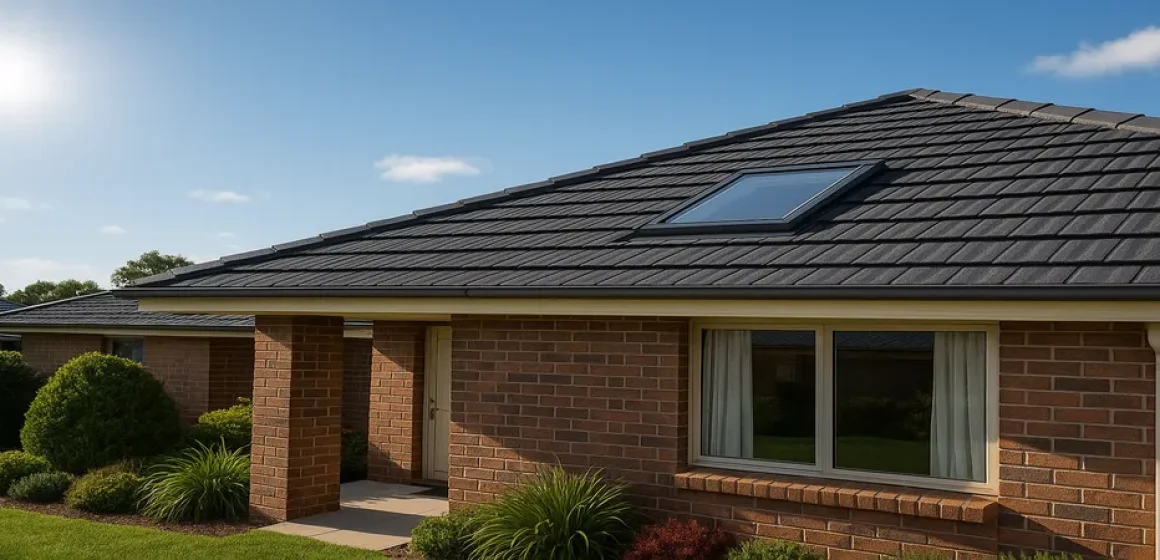
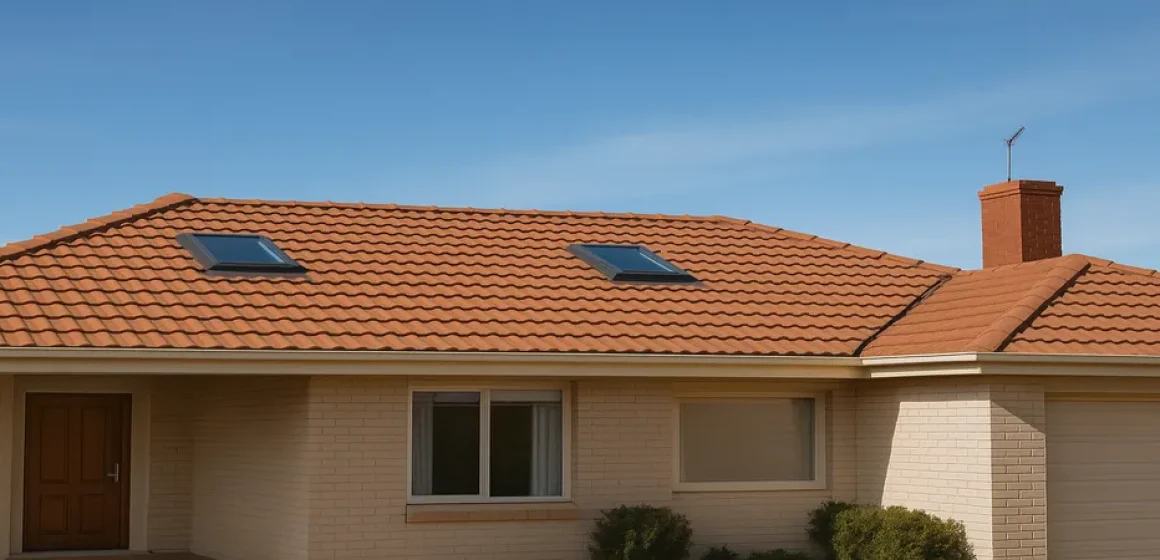
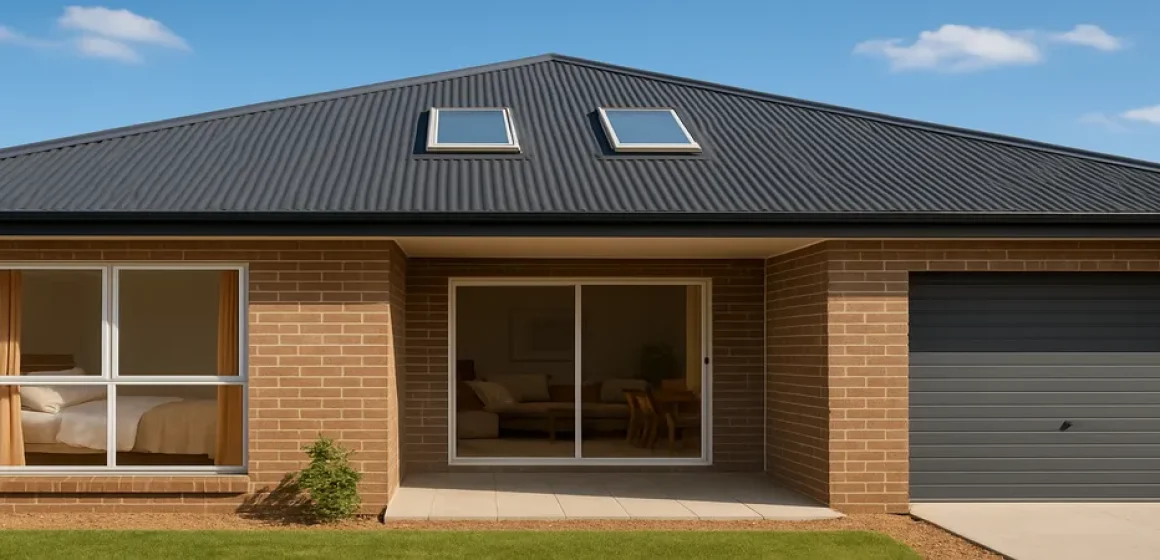
- Frame Colour & Style: Match roof or trim colours (e.g., Colorbond palettes) to keep the addition visually cohesive from the street.
- Choosing the Right Glazing Type: Tinted or Low-E glass avoids harsh glare that might be uncomfortable for kids playing beneath overhead beams of sunlight.
Local Tip:
- If your home has an indoor-outdoor living concept (verandahs, alfresco areas typical in QLD), a skylight bridging that transition area can unify the design, enticing prospective buyers or guests.
FAQs: Skylights for Townsville’s Family Homes
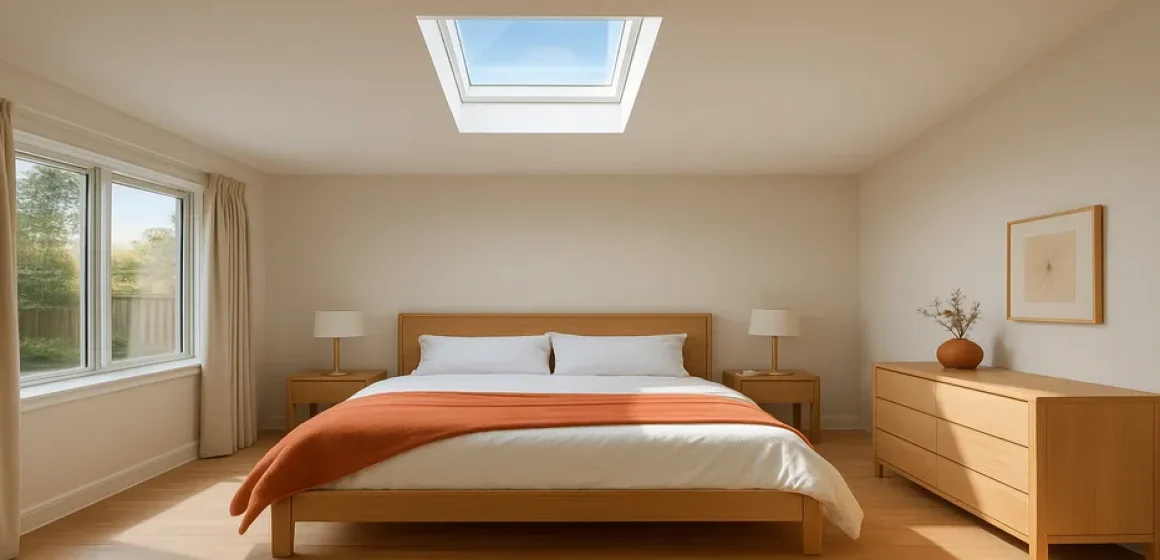
- Will a skylight cause heat build-up in my child’s bedroom?
- If you select double/triple glazing or Low-E coatings, plus an internal blind, you’ll largely mitigate heat gain. Ventilated skylights also release built-up warm air.
- Are cyclones a major concern for overhead glazing?
- Townsville can see cyclonic conditions in some seasons. Opt for wind-tested skylights, toughened glass, and well-secured flashing. Post-storm checks remain essential.
- Do I need council permits?
- Generally, minor roof additions might be exempt if not structurally extensive. However, bigger modifications or heritage overlays (if any in older suburbs) may require approval. Verify with Townsville City Council.
- What’s the typical cost difference between standard fixed skylights and motorised ones?
- Motorised can be twice or more the cost of basic fixed due to electronics, sensors, and advanced frames. Yet the convenience and ventilation perks often justify the expense—especially in warm, humid climates like Townsville.
- Any issues with coastal salt air if I’m near The Strand?
- Closer to the coast, choose powder-coated or marine-grade frames and rinse them occasionally to avert corrosion.
Real-Life Example: A New-Build Home in Annandale
Scenario:
- A four-bedroom new build near the Ross River in the Annandale suburb needed better lighting in its central lounge. Concerned about summer AC bills and storm safety, they weighed installing an overhead skylight.
Solution:
- Double-Glazed Operable Skylight:
- Insulated frames with Low-E coatings to reduce midday heat infiltration.
- Motorised opening for breeze-based ventilation, with a rain sensor for storm season closures.
- Cyclone-Rated Fixings:
- The product was tested to handle high-wind loads commonly seen near the tropics.
- Flashing designed for Townsville’s intense downpours, preventing leaks.
Outcome:
- A cooler lounge in summer, with less reliance on air conditioning.
- Significant daytime lighting cost reduction, as overhead sunlight sufficed for general activities.
- Worry-free storm closures via rain sensor, ensuring no infiltration if a tropical downpour erupted.
(Energy savings vary by occupant usage patterns and roof orientation.)
Conclusion
Townsville’s unique climate—hot, humid summers, potential cyclones, and mild winters—demands skylight solutions that go beyond mere aesthetics. By choosing double or triple glazing, robust frames tested for wind loads, and opting for rain sensors or motorised ventilation features, families can enjoy naturally lit, comfortable homes without fear of water leaks or ballooning energy bills. Compliance with Queensland building codes, plus mindful design (colour-matched frames, well-placed skylights), ensures these overhead additions blend seamlessly into Townsville’s family-friendly lifestyle.
Action Steps: Installing Skylights in Townsville Family Homes
- Determine Ventilation Needs
- Decide if an operable skylight is valuable for indoor airflow or if a fixed version with advanced coatings suffices.
- Check Wind & Cyclone Ratings
- Confirm the product’s wind-load compliance. If near coastal waters, select marine-grade finishes to avoid corrosion.
- Use High-Performance Glazing
- Double/triple glazing or Low-E coatings handle tropical sun, limiting heat gain while maintaining bright interior spaces.
- Ensure NCC Compliance & Local Approvals
- Overhead glass must meet AS 1288 safety. Large modifications could require Townsville City Council sign-off.
- If you’re in a bushfire overlay, ensure ember resistance (AS 3959).
- Plan Maintenance Routines
- Post-storm or pre-summer checks for flashing, sealants, and glass surfaces. Clear salt residue if coastal conditions apply.
By aligning design with Townsville’s climate—from torrential summer storms to mild winter dryness—families reap the benefits of naturally lit, well-ventilated living spaces while minimising energy costs and potential roof issues.