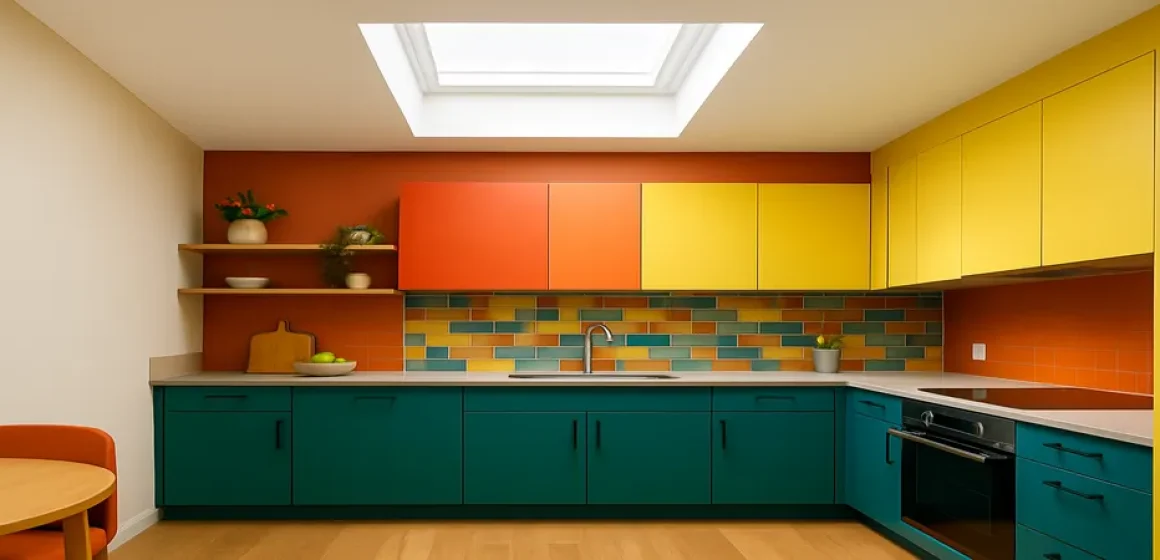
Skylights for Canberra’s Townhouses: Balancing Efficiency & Planning Requirements
Canberra, Australia’s capital, is renowned for its planned urban layout, cool winters, and strict planning requirements—particularly for medium-density developments like townhouses. While skylights can brighten compact interiors, owners often face compliance hurdles (from local regulations) and climate extremes (frosty mornings, hot summers). Below, we highlight four key aspects Canberra townhouse owners need to balance: planning rules, thermal efficiency, urban design constraints, and maintenance for weather swings.
Four Key Aspects for Skylights in Canberra Townhouses
Aspect 1: Local Planning Rules & Townhouse Layouts
- ACT Planning & Development Requirements
- Townhouses in established suburbs might fall under Precinct Codes or specific building height/roof slope controls.
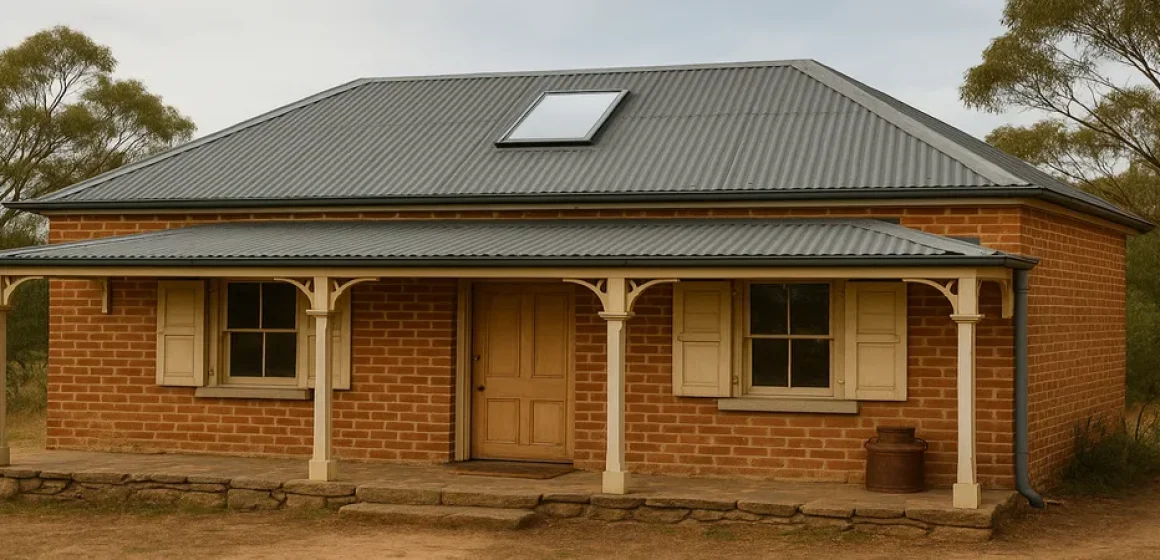
- Heritage Precincts (e.g., some older “garden city” districts) could demand discreet skylight placement to preserve facade uniformity.
- Body Corporate/Strata Approvals
- In multi-unit complexes, owners typically need body corporate sign-off for external modifications—large skylights on shared rooftops might require formal proposals.
- Minimal External Impact
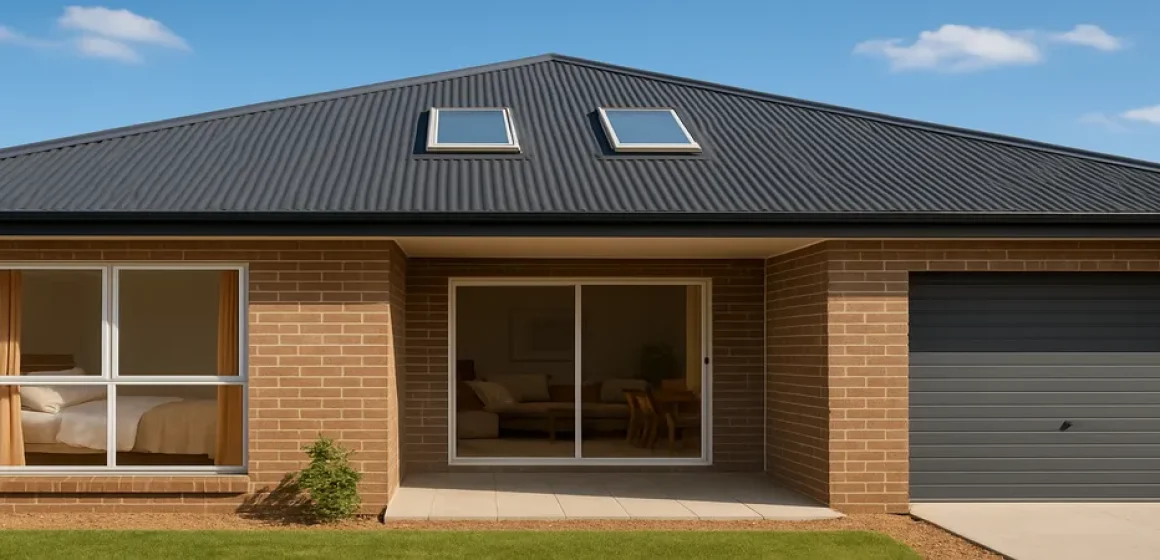
- Low-profile skylights or tubular designs help maintain the building’s existing roofline, crucial if the townhouse development emphasises uniform exteriors.
Why It Matters:
Balancing a townhouse’s communal design guidelines with personal interior improvements is key—discreet skylight solutions or rear-roof placements often pass approvals more smoothly.
Aspect 2: Thermal Efficiency for Canberra’s Cold Winters
- Double or Triple Glazing with Low-E
- Sub-zero morning temperatures in winter necessitate robust insulation. Double or triple glazed skylights keep living areas warmer without major heat leakage.
- Low-E coatings reduce radiative heat loss on cold nights.
- Insulated Frames & Thermal Breaks
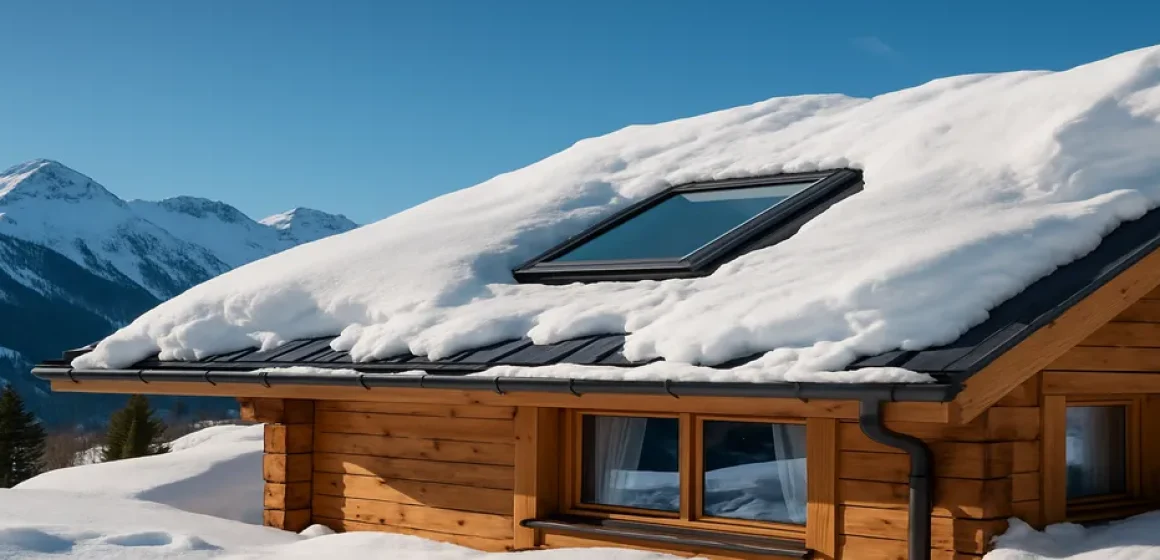
- Preventing Heat Bridging: Minimises drafts around skylight edges, critical in a climate that sees frost or occasional snow flurries.
- Also beneficial in summer, limiting solar heat infiltration on bright days.
- Operable Skylights for Ventilation
- Summertime in Canberra can still reach the mid-30s (°C). Opening the skylight near the ceiling vents hot air, diminishing reliance on fans/air conditioning.
- Motorised or manual? Consider your budget and convenience.
Why It Matters:
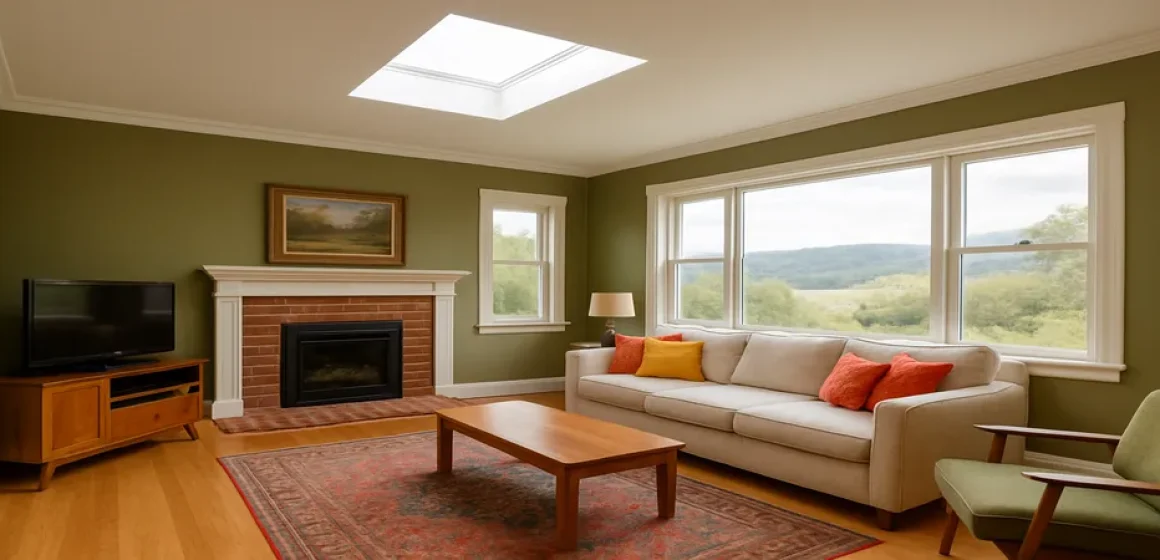
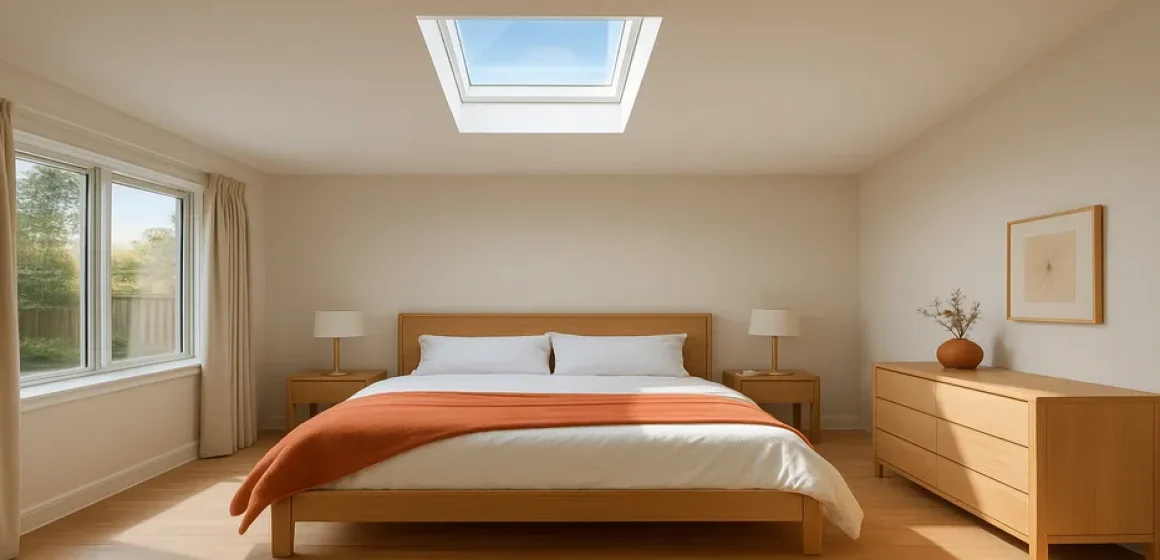
Townhouses often share walls, so natural overhead lighting reduces electricity consumption. Proper insulation ensures comfort and stops condensation from forming in Canberra’s chill.
Aspect 3: Urban Design & Aesthetic Harmony
- Townhouse Roof Profiles
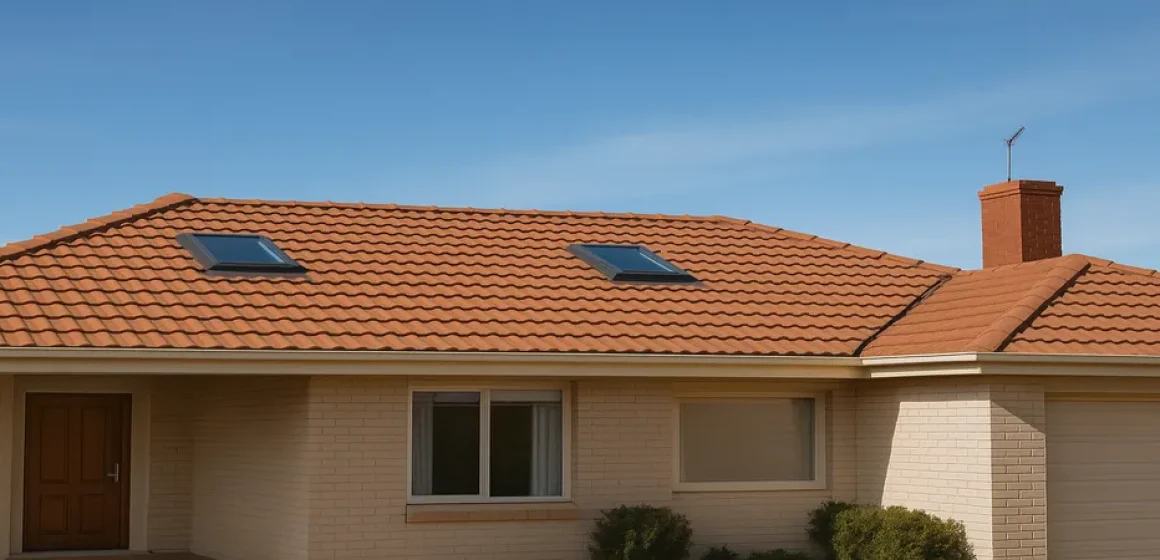
- Canberra’s planned suburbs might feature uniform roof pitches or a cohesive architectural style. Skylight design (size, shape, colour) should blend seamlessly.
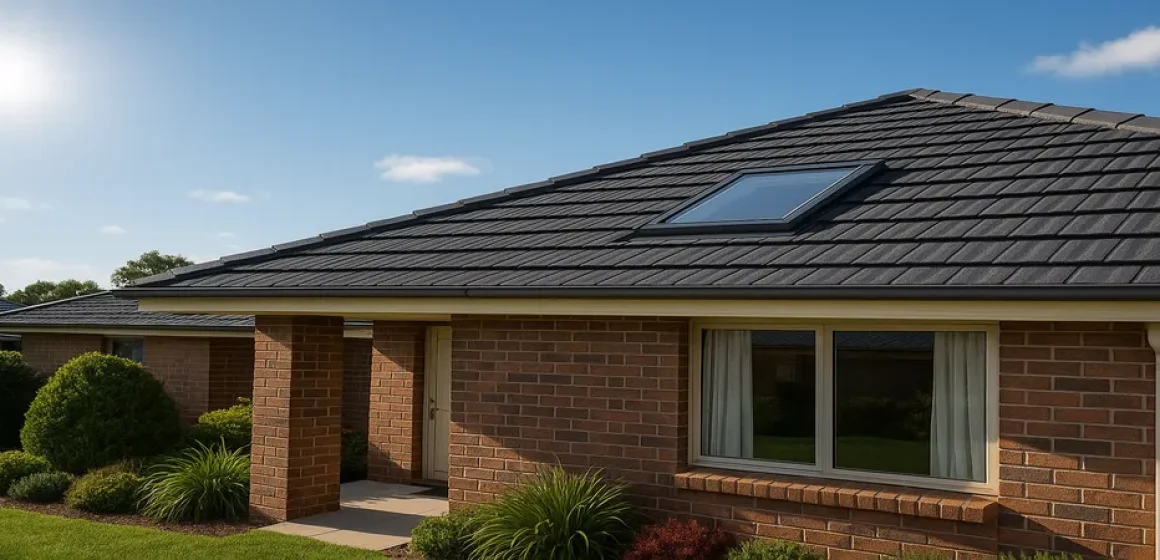
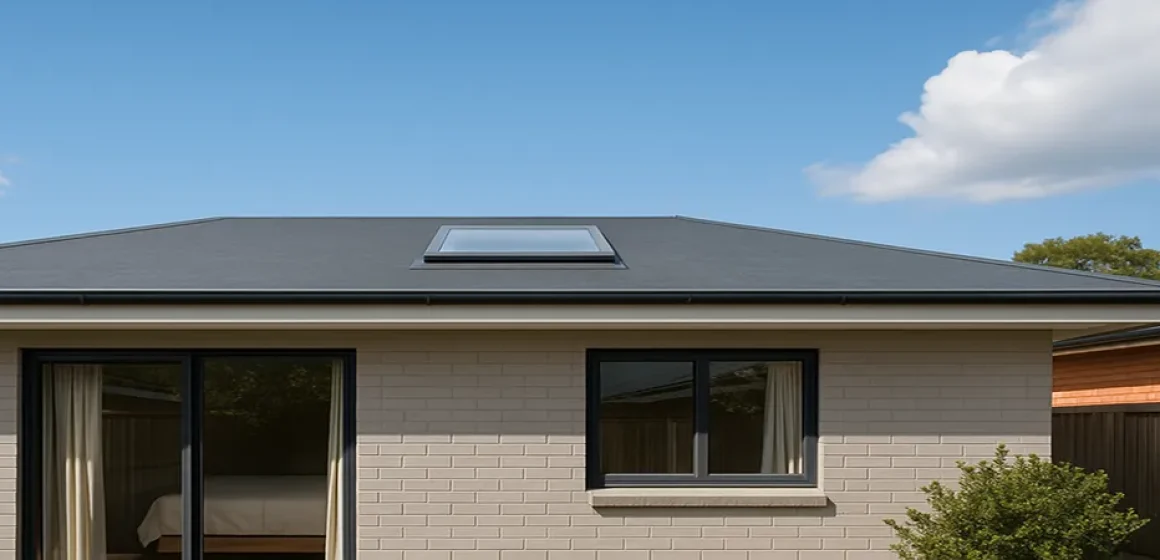
- Colour-Matched Frames: Powder-coating to match Colorbond roofing or existing townhouse palette keeps things visually consistent.
- Neighbouring Overshadowing
- In some complexes, overshadowing from adjacent multi-storey blocks can limit skylight efficacy. Opt for more strategic roof slopes or advanced glass that captures even diffuse daylight.
- Tubular or Low-Profile Skylights
- A tubelight (sun tunnel) remains an excellent minimal-impact method for bathrooms or corridors—less roof modification, minimal street-facing alterations.
Why It Matters:
Ensuring your skylight doesn’t conflict with the townhouse’s broader aesthetic or overshadow neighbours fosters good relationships and upholds property values. A discreet approach resonates well with body corporates and local design guidelines.
Aspect 4: Maintenance & Weather Extremes
- Frost, Wind, and Occasional Storms
- Canberra’s climate can switch from calm to windy with hail potential in certain months. Overhead glazing tested under AS/NZS 4284 ensures wind-driven rain remains out.
- Seal checks after big storms or frosty nights help keep the skylight weathertight.
- Biannual Cleaning & Inspections
- At minimum, perform a pre-winter and pre-summer check. Remove debris or dust from the roof surface near the skylight, ensuring unobstructed drainage.
- If salt-laden air from Lake Burley Griffin is minimal, rust risk is lower than coastal zones, but check for corrosion in wet months.
- Body Corporate or Strata Maintenance
- In multi-townhouse developments, external roof maintenance might be a shared responsibility. Confirm if the complex caretaker covers skylight cleaning or if it’s an owner’s task.
Why It Matters:
Townhouses with minimal roof access can pose a challenge—lack of easy attic entry or safe ladder points means consistent oversight is vital. Neglecting small cracks or sealant issues can worsen quickly under Canberra’s temperature swings.
FAQs: Skylights for Canberra’s Townhouses
- Will a skylight drastically raise my townhouse’s heating costs in winter?
- If you choose double-glazed or Low-E skylights with insulated frames, heat loss remains low. Any minor warmth escape is offset by the daytime lighting and potential solar gain.
- Are local council approvals always required in Canberra?
- Not always. Smaller skylight additions may be ‘exempt’ development. Larger or heritage precinct changes might need Development Approval. Checking the ACT Planning portal or local guidelines helps.
- How do I navigate body corporate rules for a shared roof?
- Submit a formal proposal with design sketches, highlight how it stays discreet, references any heritage or colour guidelines, and emphasise an identical roof finish.
- What about heritage overlays in older suburbs (e.g., Kingston, Reid)?
- Some older Canberra suburbs have heritage features. Skylight designs often must be placed on less visible roof sections. Elicit heritage advice or council input to avoid rejections.
- Do tubular skylights work for second-floor bathrooms with no external walls?
- Absolutely. Sun tunnels are ideal for internal bathrooms or stairwells, guiding daylight from the roof through a reflective tube.
Real-Life Example: Townhouse in Casey (Northern Canberra)
Scenario:
A newly built two-storey townhouse in Casey, part of Gungahlin district, needed more daylight in the upstairs landing and wanted to keep winter heating bills low.
Solution:
- Double-Glazed Low-E Skylight: Placed above the central landing, capturing midday sunlight.
- Manual Opening Mechanism: Let hot air vent during warmer days; cost less than full motorisation.
- Powder-Coated Frame: Matched the townhouse’s charcoal roof, pleasing the body corporate’s uniform colour scheme.
Outcome:
- Reduced daytime lighting in the corridor by about 30%—lower electricity bills.
- Minimal heat loss at night, thanks to robust insulation.
- Body corporate welcomed the discreet design, ensuring uniform street appeal.
(Energy savings vary based on occupant habits and property orientation.)
Conclusion
For Canberra’s townhouses, skylights present an elegant solution to bring in natural light while maintaining compliance with the ACT’s planning restrictions and navigating local body corporate rules. By focusing on four key aspects—planning guidelines, thermal efficiency, aesthetic harmony, and upkeep—owners can integrate skylights that suit Canberra’s cold winters, mild summers, and potential heritage or design constraints. With the right glazing (double/triple, Low-E), carefully considered placement, and regular maintenance, townhouse residents can relish bright, energy-saving interiors year-round.
Action Steps: Skylights for Canberra Townhouses
- Check Planning & Body Corporate Rules
- Identify if your complex or suburb (Kingston, Reid, Gungahlin, etc.) enforces heritage or design overlays.
- Select High-Performance Glazing
- Double/triple glazing plus Low-E coatings handle Canberra’s cooler climate effectively.
- Consider Operable Skylights
- Ventilation offsets heat accumulation in summer, especially valuable on second floors or near enclosed landings.
- Ensure NCC Compliance
- Overhead glazing must meet AS 1288 (safety) and relevant energy provisions. Tinted/Low-E glass assists in winter warmth retention.
- Maintenance Plan
- Schedule biannual checks for seals, flashing, and glass cleanliness.
- Confirm if your body corporate addresses external roof or if it’s your personal responsibility.
By balancing planners’ guidelines, body corporate rules, and energy-savvy designs, Canberra townhouse owners can enjoy a skylight’s natural glow—enlivening shared spaces while respecting the capital’s cherished urban aesthetic and cooler climate needs.