Skylights for Melbourne’s Multifamily Buildings: Enhancing Shared Spaces and Community Living
In Melbourne’s bustling urban landscape, multifamily buildings such as apartment complexes, condominiums, and co-living spaces are integral to the city’s housing infrastructure. These residences often feature shared communal areas like lounges, kitchens, and recreation rooms that can benefit immensely from natural light and enhanced ventilation. Skylights emerge as a transformative feature in these settings, offering a blend of aesthetic appeal, energy efficiency, and functional benefits. This article explores how skylights can elevate shared spaces in Melbourne’s multifamily buildings, providing design strategies, energy-saving insights, and ensuring compliance with local building codes for successful communal skylight installations.
1. The Role of Skylights in Multifamily Shared Spaces
A. Enhancing Natural Light in Communal Areas
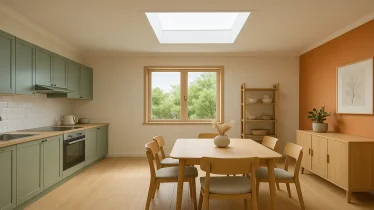
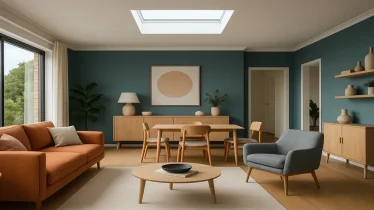
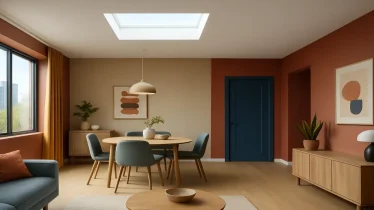
- Bright and Inviting Atmosphere: Skylights flood communal lounges, kitchens, and recreation rooms with natural daylight, creating a more welcoming and vibrant environment for residents.
- Visual Appeal: Ample natural light enhances the aesthetic appeal of shared spaces, making them more attractive and enjoyable for residents to gather and socialise.
B. Improving Ventilation and Air Quality
- Natural Airflow: Operable skylights in shared kitchens or lounges facilitate natural ventilation, reducing reliance on mechanical systems and promoting a healthier indoor environment.
- Humidity Control: In areas prone to cooking or high occupancy, skylights help regulate humidity levels, preventing issues like mould growth and maintaining air quality.
C. Energy Efficiency and Cost Savings
- Reduced Lighting Costs: Increased natural light diminishes the need for artificial lighting during daytime hours, leading to significant energy savings across the building.
- Passive Heating and Cooling: Strategically placed skylights can contribute to passive solar heating in cooler months and natural cooling during warmer periods, optimising energy usage and reducing utility expenses.
2. Design Strategies for Skylights in Multifamily Buildings
A. Strategic Placement for Optimal Light Distribution
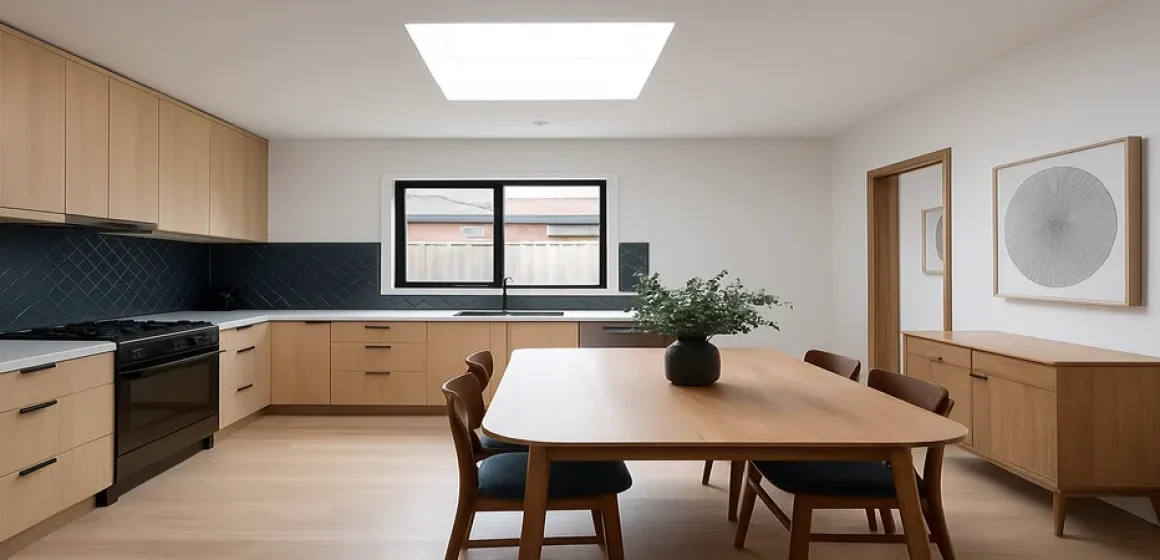
- Central Location: Position skylights in the center of communal areas to ensure even light distribution, preventing shadows and dark corners.
- Multiple Skylights: In larger shared spaces, consider installing multiple skylights to maximise light coverage and enhance the sense of openness.
B. Selection of Skylight Types
|
Skylight Type |
Best Use Case |
Pros |
Cons |
|
Communal lounges and large kitchens |
Simple design, low maintenance, cost-effective |
No ventilation—requires separate systems for airflow |
|
|
Shared kitchens and recreation rooms |
Enhances ventilation, regulates indoor temperature |
More complex installation, higher maintenance |
|
|
Narrow corridors or small communal bathrooms |
Minimal roof penetration, easy to install, focused light |
Limited light output, typically no ventilation |
|
|
Roof Lanterns |
Atrium-style shared spaces |
Dramatic light diffusion, enhances architectural features |
Higher cost, requires significant roof modification |
(All installations should comply with AS 1288 for overhead glazing safety and the National Construction Code (NCC) for energy efficiency.)
C. Integration with Building Systems
- Smart Controls: Integrate skylights with building management systems to automate opening/closing based on occupancy, temperature, and sunlight intensity.
- Energy Monitoring: Utilize smart sensors to track energy usage and optimise skylight performance for maximum efficiency.
3. Energy Efficiency Benefits of Skylights in Multifamily Buildings
A. Natural Daylighting Reduces Artificial Lighting Needs
- Energy Savings: By harnessing natural light, skylights can reduce the reliance on electric lighting, leading to lower energy consumption and cost savings.
- Sustainability: Decreasing artificial lighting usage contributes to the building’s carbon footprint reduction, aligning with sustainable building practices.
B. Passive Solar Heating and Cooling
- Winter Heating: South-facing skylights can capture sunlight during winter, providing passive solar heating and reducing the need for additional heating.
- Summer Cooling: Operable skylights can help expel hot air during summer, lowering the reliance on air conditioning and enhancing natural cooling.
C. Enhanced Insulation and Thermal Regulation
- Low-E Glazing: Skylights with Low-E coatings minimise heat transfer, keeping interiors warm in winter and cool in summer.
- Thermal Breaks: Insulated frames and thermal breaks in skylight assemblies prevent heat bridging, maintaining consistent indoor temperatures and improving energy efficiency.
4. Compliance with Melbourne’s Building Codes for Multifamily Skylights
A. National Construction Code (NCC)
- Energy Efficiency Requirements: Skylights must meet U-value and Solar Heat Gain Coefficient (SHGC) standards to ensure they contribute to the building’s overall energy performance.
- Structural Integrity: Must comply with load-bearing and wind resistance standards, particularly in high-rise buildings.
B. AS 1288—Glass in Buildings
- Safety Standards: All skylight glass must be toughened or laminated to protect occupants from breakage.
- Installation Guidelines: Ensures skylights are securely fitted to prevent accidents and maintain structural integrity.
C. AS/NZS 4284—Testing of Building Facades
- Weatherproofing Standards: Skylights must withstand wind-driven rain and other environmental stresses prevalent in Melbourne’s climate.
- Performance Testing: Guarantees skylights perform effectively under various weather conditions, maintaining energy efficiency and indoor comfort.
D. Local Council Regulations
- Heritage and Design Overlays: In historic or character-listed buildings, additional building restrictions may apply. Homeowners must consult local councils to ensure skylight installations comply with heritage preservation standards.
- Permit Requirements: Depending on the scale of the installation and local zoning laws, obtaining a building permit may be necessary. Engaging with VBA-registered professionals ensures all regulatory requirements are met.
5. Design Tips to Optimize Skylights in Melbourne’s Multifamily Buildings
A. Harmonious Integration with Architecture
- Seamless Aesthetics: Choose skylight designs that complement the architectural style of the multifamily building, whether modern, minimalist, or traditional.
- Custom Finishes: Utilize customisable frames and glazing options to match or enhance the building’s exterior, maintaining visual harmony.
B. Maximizing Light Distribution
- Reflective Interiors: Incorporate light-coloured walls, ceilings, and furnishings to enhance the distribution of natural light throughout communal areas.
- Mirrors and Reflectors: Strategically place mirrors or reflective panels opposite skylights to amplify light spread and reduce dark spots.
C. Enhancing Ventilation and Airflow
- Operable Skylights: Install operable skylights in areas that generate heat or humidity, such as shared kitchens, to improve natural ventilation and reduce reliance on mechanical systems.
- Cross-Ventilation Design: Combine skylights with strategically placed windows or vents to create a cross-ventilation effect, enhancing indoor air quality and comfort.
D. Incorporating Smart Technology
- Automated Controls: Integrate skylights with smart building systems to automate opening, closing, and shading based on occupancy, weather conditions, and time of day.
- Energy Monitoring: Utilize smart sensors to monitor energy usage and optimise skylight performance for maximum energy efficiency.
6. FAQs: Skylights in Melbourne’s Multifamily Buildings
- Do skylights in shared spaces require additional permits in Melbourne?
- Yes, especially if the installation involves significant roof modifications or is within a heritage-listed building. Always consult with your local council and ensure compliance with Victorian building codes before proceeding.
- How can skylights reduce energy costs in multifamily buildings?
- Skylights reduce the need for artificial lighting by providing natural daylight and enhancing passive solar heating, leading to lower electricity bills and reduced heating costs.
- Are operable skylights suitable for high-rise Melbourne apartments?
- Yes, provided they are properly installed with robust mechanisms to withstand high-rise conditions. Operable skylights can improve ventilation and air quality in high-rise buildings when integrated correctly.
- What maintenance is required for skylights in multifamily buildings?
- Regular maintenance includes cleaning the glass, inspecting seals and flashing, and ensuring that operable features function smoothly. Annual professional inspections can help maintain performance and longevity.
- Can skylights be retrofitted into existing multifamily buildings?
- Yes, many skylight models are designed for retrofit installations. It’s essential to work with experienced installers who can assess the building’s structure and ensure that the skylights are integrated seamlessly and compliantly.
7. Real-Life Example: Skylight Installation in a Melbourne Apartment Complex
Scenario:
A five-story apartment complex in Southbank struggled with dimly lit communal lounges and high energy bills due to extensive artificial lighting and heating needs.
Solution:
- Installed fixed double-glazed skylights with Low-E coatings in all communal lounges and shared kitchens to maximise natural light and passive solar heating.
- Integrated operable skylights in the recreation rooms to enhance ventilation and reduce humidity levels.
- Positioned skylights to capture north-facing sunlight, optimising passive solar gains during winter while using automated shading to prevent overheating in summer.
- Employed insulated frames and thermal breaks to enhance energy efficiency and minimise heat transfer.
Outcome:
- Achieved a 25% reduction in lighting costs during daylight hours.
- Noticed a 15% decrease in heating expenses during winter months due to passive solar heating.
- Enhanced the aesthetic appeal and comfort of communal areas, fostering a more inviting environment for residents.
- Increased overall energy efficiency of the building, contributing to lower utility bills and a smaller carbon footprint.
(Energy savings are illustrative; actual results may vary based on specific building conditions and usage patterns.)
8. Conclusion
Skylights are a transformative feature for Melbourne’s multifamily buildings, offering a blend of natural light, enhanced ventilation, and energy efficiency that elevates shared spaces and fosters a sense of community. By implementing strategic design, selecting energy-efficient skylight options, and ensuring compliance with local building codes, property managers and homeowners can create bright, comfortable, and sustainable environments for residents. Whether renovating an existing apartment complex or designing new multifamily developments, skylights provide a cost-effective, eco-friendly, and aesthetically pleasing solution to modern urban living challenges.
Action Steps: Enhance Shared Spaces with Skylights in Melbourne’s Multifamily Buildings
- Assess Communal Area Needs
- Identify shared spaces that would benefit most from natural light and improved ventilation, such as lounges, kitchens, and recreation rooms.
- Choose the Right Skylight Types
- Decide between fixed, operable, tubular, or roof lanterns based on the specific requirements and layout of each communal area.
- Consult with Professional Installers
- Engage VBA-registered installers experienced in multifamily skylight installations to ensure compliance with Victorian building codes and optimal performance.
- Check Local Council Requirements
- Verify if your building is under any heritage overlays or specific zoning laws that affect skylight installations. Obtain necessary permits if required.
- Select Energy-Efficient Features
- Opt for double or triple glazing, Low-E coatings, and insulated frames to maximise energy savings and maintain indoor comfort.
- Plan for Regular Maintenance
- Schedule routine inspections and cleanings to ensure skylights remain in optimal condition, preventing leaks and maintaining energy efficiency.
- Integrate Smart Controls
- Incorporate smart building systems to automate skylight functions, enhancing convenience and further reducing energy usage.
- Monitor Energy Savings
- Utilise energy monitoring tools to track the impact of skylight installations on your building’s overall energy consumption, making adjustments as needed for optimal efficiency.
By following these steps, you can successfully integrate skylights into Melbourne’s multifamily buildings, creating shared spaces that are bright, comfortable, and energy-efficient, ultimately enhancing the living experience for all residents.