
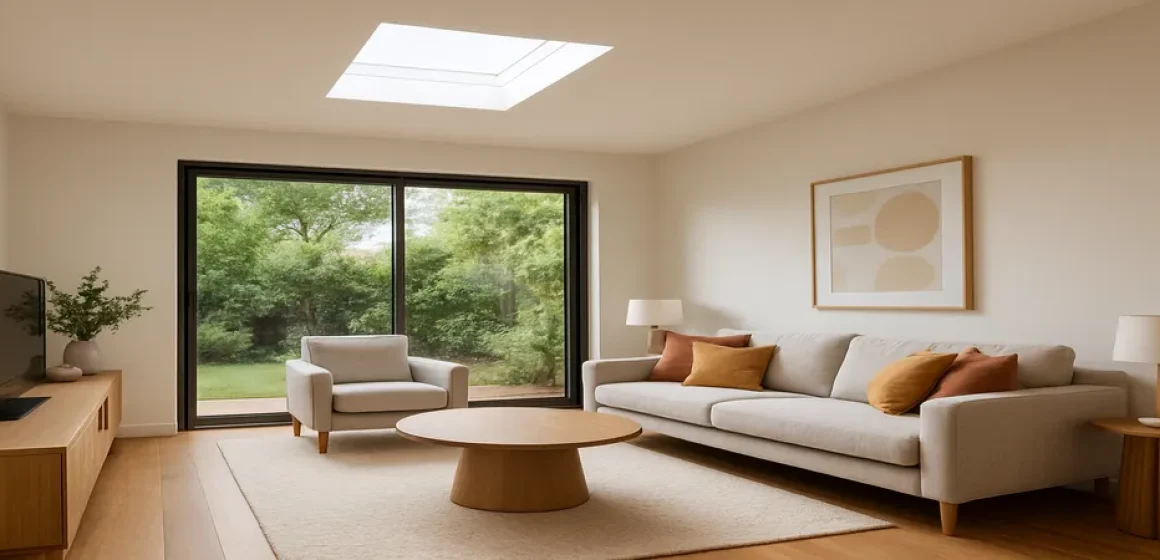
The Impact of Sydney’s Climate on Skylight Selection and Installation
Sydney’s climate, with its warm summers, mild winters, and frequent rainfall, makes the right skylight selection crucial for homeowners looking to enhance their living spaces. Skylights not only bring in abundant natural light but also improve ventilation and energy efficiency when properly selected and installed. With over 230 sunny days each year, Sydney’s residents can benefit significantly from installing skylights. However, the city’s unique weather conditions, ranging from hot summer days to wet winters, mean that careful attention must be paid to factors such as UV protection, glazing, and insulation.
In this blog, we’ll explore the impact of Sydney’s climate on skylight selection and installation, offering practical insights on choosing skylights that maximise energy efficiency and enhance your home’s comfort year-round.
Sydney’s Climate: A Challenge and Opportunity for Skylight Installation
Sydney is blessed with a temperate climate, but its varying weather patterns can affect the performance of skylights. Summers often see temperatures rising above 30°C, especially in the western suburbs, while winters are generally mild, with average lows around 8°C in June and July.
- UV Protection and Heat Control: During Sydney’s hot summer months, homes are often exposed to high levels of sunlight, which can increase indoor temperatures. Skylights that don’t have proper UV protection can exacerbate heat build-up, making rooms uncomfortably warm and increasing energy costs as homeowners turn to air conditioning for relief. To combat this, selecting skylights with heat-reflective glazing and low-E (Low Emissivity) coatings can help reduce the transmission of solar heat while still allowing natural light to enter. This is particularly important for homes in coastal areas like Bondi or Manly, where direct sunlight can be intense.
- Rain and Waterproofing: Sydney also experiences significant rainfall, particularly in autumn and spring, with an average annual rainfall of over 1,200mm. Proper waterproofing is critical when installing skylights to prevent leaks and damage to your home’s interior. Choosing high-quality seals and ensuring the skylights are installed with proper flashing can protect against water ingress during Sydney’s frequent downpours. Vented skylights with rain sensors are ideal for managing ventilation without risking water damage during unexpected storms.
Choosing the Right Skylight for Sydney Homes
Selecting the appropriate skylight for Sydney’s climate involves balancing the need for natural light with energy efficiency and ventilation. Here’s a breakdown of skylight types and how they perform under Sydney’s climate conditions:
- Fixed Skylights: Fixed skylights are an excellent choice for homeowners who want to maximise natural light in areas where ventilation isn’t a priority. These skylights provide a clear, uninterrupted view of the sky and are ideal for spaces like living rooms and hallways. However, in Sydney, it’s essential to choose fixed skylights with UV protection and double glazing to prevent overheating in summer while maintaining warmth during cooler months.
- Vented Skylights: For areas prone to heat build-up, such as kitchens and bathrooms, vented skylights are a smart choice. They allow warm air to escape, reducing the need for air conditioning and promoting natural ventilation. Vented skylights are particularly effective in Sydney’s humid summer months, especially in coastal homes, where humidity levels can be higher. Additionally, solar-powered venting skylights can enhance energy savings by automating ventilation without consuming electricity.
- Tubular Skylights: For homeowners looking to bring natural light into smaller spaces, such as walk-in closets or corridors, tubular skylights offer a compact and efficient solution. These skylights use reflective tubing to channel light into even the darkest areas of your home. In Sydney’s urban neighbourhoods, where homes may be close together, tubular skylights are a practical way to introduce daylight without needing large roof openings.
- Dome Skylights: Dome skylights, with their raised design, are ideal for Sydney’s commercial properties and large, open residential spaces. These skylights provide 360-degree light diffusion, brightening rooms evenly throughout the day. Dome skylights are also highly resistant to weather damage, making them well-suited for areas that experience heavy rain.
Skylight Installation Considerations in Sydney
- Local Building Regulations:
Before installing a skylight in Sydney, it’s important to be aware of the city’s local building regulations, particularly regarding energy efficiency and structural integrity. Skylights installed in new constructions or as part of major renovations must comply with the Building Code of Australia (BCA), which includes specific requirements for thermal insulation and waterproofing.
Additionally, homes in heritage conservation areas, such as Paddington and The Rocks, may have restrictions on the types of skylights allowed, particularly when it comes to preserving the historical aesthetic of the property. In these cases, low-profile skylights or custom-designed options can offer a modern solution that respects the area’s heritage character. - Energy Efficiency Requirements: Sydney homeowners are increasingly aware of the need for energy-efficient solutions, particularly as energy prices continue to rise. Skylights with double glazing, UV-blocking technology, and low-E coatings can significantly reduce energy consumption by regulating indoor temperatures. Homeowners in Sydney’s western suburbs, where summer temperatures are higher, will especially benefit from skylights designed to minimise heat gain and improve insulation.
- Storm-Proofing Skylights: With Sydney’s propensity for sudden rainstorms, it’s essential to install skylights that are storm-proof and resistant to wind and rain damage. This is particularly important for homes in exposed areas or along the coast, where high winds can be a concern. Storm-rated skylights with reinforced frames and toughened glass provide an added layer of protection.
Case Study: Reducing Heat Build-Up in a Paddington Home: In a two-story home in Paddington, the owners wanted to introduce more natural light into their living room without compromising energy efficiency. They opted for solar-powered venting skylights with UV-reflective glass to reduce heat gain during the summer months. The skylights’ built-in rain sensors automatically closed the vent during sudden downpours, ensuring the home stayed dry. The result was a brighter, more energy-efficient home with improved ventilation, especially during Sydney’s humid summer months.
In Conclusion: Choosing the right skylight for your Sydney home requires careful consideration of the city’s unique climate. From heat-reflective coatings to storm-proof designs, SkylightsAustralia.au offers a wide range of skylight solutions that can help you make the most of Sydney’s sunshine while keeping your home comfortable year-round. Contact us today to explore skylight options tailored to your Sydney property and start enhancing your home with natural light.