Skylights for Port Augusta’s Desert Climate: 3 Before & After Transformations
Port Augusta, near the Spencer Gulf in South Australia, transitions between coastal dryness and desert-like conditions—where scorching summers and dusty winds can pose unique challenges for letting natural light indoors. Skylights in such arid or semi-desert climates demand specific design considerations: robust seals against dust storms, heat-reflective glass for intense sunshine, and code compliance for overhead installations. Below, we spotlight three ‘Before & After’ skylight transformations in Port Augusta, demonstrating how families overcame darkness, high cooling costs, and local building concerns to achieve bright, energy-efficient interiors.
Transformation #1: From Dim Family Lounge to Radiant, Breezy Living Space
BEFORE: The Gloomy Lounge
- Challenge: A five-person family living in a single-storey home. The lounge was dark, requiring daytime lights even in sunny weather. Frequent use of AC to manage stuffiness, especially during 40°C summer peaks.
- Local Factors:
- Desert Heat & Dust: In the outskirts near Stirling North, dust infiltration was a worry.
- NCC & Overhead Glass: Overhead glazing needed AS 1288 safety compliance and a roof capable of handling windy conditions.
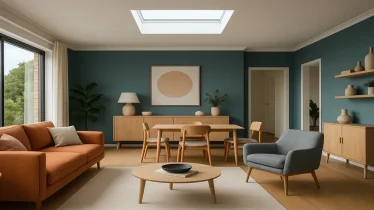
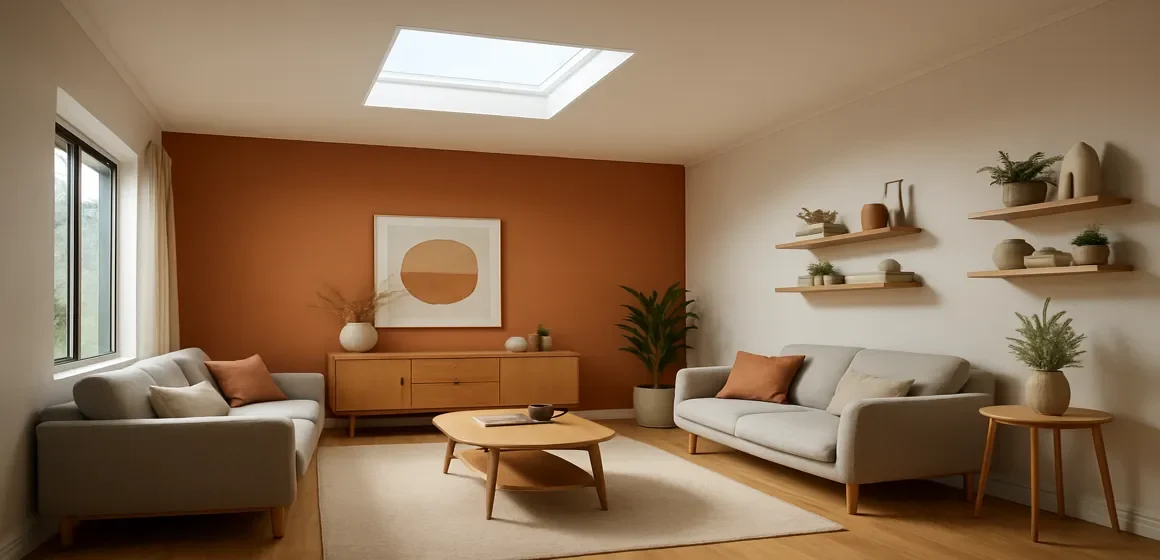
AFTER: The Skylighted Lounge
- Solution Highlights:
- Operable Double-Glazed Skylight with Low-E coatings, reducing intense heat gain.
- Dust-Resistant Seals & Powder-Coated Aluminium Frame to protect against windblown sand or dust.
- Roof Reinforcement ensuring the overhead section meets structural standards under local wind loads.
- Results:
- Daytime Lighting usage dropped ~30%. The family no longer needed lights on mid-afternoon.
- With the operable mechanism, stale air was vented, cutting AC usage noticeably.
- No infiltration issues—dust remains minimal thanks to snug flashing and easy post-storm checks.
(Actual energy savings vary per occupant usage and building orientation.)
Transformation #2: Solving Overheating & Glare in a Converted Old Home Office
BEFORE: The Overly Bright & Hot Office
- Challenge: A home office conversion in a 1920s cottage near central Port Augusta. Afternoon sun beamed directly onto the low-pitch roof overhead, causing glare on screens, plus a greenhouse effect by 2pm.
- Local Factors:
- Heritage-Like Facade: The front might be subject to some local council aesthetic guidelines if considered historically important.
- Glare Control & Dust Storms: Summertime storms blow dust that could scratch or damage substandard glass if not properly chosen.
AFTER: A Shaded, Efficient Skylight Setup
- Solution Highlights:
- Tinted Double Glazing featuring external shading accessories (motorised blinds) to block harsh midday rays.
- Rear Roof Slope Placement reduced street facade changes; no permit issues.
- Dust-Resistant Coating on glass (some skylight brands offer easy-clean or anti-scratch surfaces).
- Results:
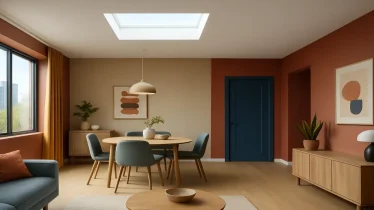
- Office is now bright but not blinding, with blinds controlling glare.
- Reduced inside temperature by up to 3–4°C during midday peaks, diminishing the reliance on a desk fan or AC.
- Minimal external aesthetic changes, preserving the old cottage’s facade.
Transformation #3: Bringing Light into a Bushfire-Prone Desert Fringe Property
BEFORE: Dark Kitchen in BAL-19 Zone
- Challenge: A property on the outer edges of Port Augusta, near semi-arid scrubland with a BAL-19 bushfire rating. The kitchen-living zone was overshadowed by a wide verandah, resulting in little direct sunlight.
- Local Factors:
- Bushfire Compliance: Overhead openings must follow AS 3959 for ember resistance.
- Thermal Shifts: Hot days, cool nights typical of desert fringes—so robust insulation is crucial.
AFTER: Ember-Resistant Skylight & Insulated Frame
- Solution Highlights:
- Ember-Resistant Toughened Glass and non-combustible frame with metal mesh vent covers.
- Triple Glazing for top-tier insulation against scorching daytime heat and night-time chill.
- Rain/Temperature Sensors: Automatic closure if a dust storm or sudden wind approaches, preventing infiltration.
- Results:
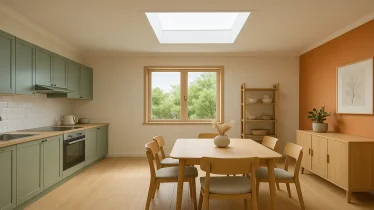
- Kitchen-living area gained a constant supply of natural light, brightening meal prep times and social gatherings.
- Bushfire compliance satisfied council checks—peace of mind during potential bushfire season.
- The combination of triple glazing and well-sealed frames helped maintain even indoor temps day to night.
Key Takeaways & Best Practices
- Double/Triple Glazing & Low-E
- Essential for desert or semi-arid climates, minimising heat infiltration in scorching afternoons and limiting night-time warmth loss.
- Bushfire Overlays (AS 3959)
- If your property is near scrubland, using ember-resistant materials—toughened glass and metal screens—ensures occupant safety and code compliance.
- Tinted or Operable Skylights
- Tints handle strong glare from direct desert sun, while operable units help ventilate hot air, reducing AC usage.
- Dust/Storm Management
- Powder-coated frames, tight flashing, and post-storm checks maintain performance in dusty or windy conditions.
- Regularly wiping down glass prevents abrasive dust accumulation.
- Local Council & NCC
- Overhead glazing must meet AS 1288 (safety). If making major modifications, confirm if a Development Application is needed under local council rules.
FAQs: Skylights in Port Augusta’s Desert Environment
- Is single glazing or tinted single glass enough in desert heat?
- No—the temperature extremes demand at least double glazing to mitigate daytime heat and nightly cooling, plus Low-E or tinted surfaces.
- Do I risk leaks with frequent dust storms?
- If the skylight is properly flashed and sealed with tested roofing kits, dust shouldn’t infiltrate. Routine checks after storms keep sealants intact.
- Will overhead glazing cause heat at night from stored warmth?
- Quality double/triple glazing helps control both daytime heat ingress and nighttime warmth loss. The real risk is if the glass has poor insulation or lacks shading.
- Which roof type is easiest to add a skylight to?
- Corrugated metal or standard tile roofs typically allow straightforward installations. Flat roofs or complex shapes might need curb-mounted skylights or extra reinforcement.
- Are bushfire-rated skylights costlier?
- Yes, but the safety and legal compliance are non-negotiable if you’re in BAL zones. It ensures the overhead opening won’t compromise the home’s bushfire defence.
Conclusion
Port Augusta’s desert-like climate, replete with scorching summers, dust storms, and potential bushfire overlays, underscores the need for carefully selected skylights. By transitioning from dim, overheated interiors to bright, ventilated living spaces, homeowners can capitalise on natural light while preserving occupant comfort and code compliance. Whether it’s tackling dust infiltration, ensuring bushfire readiness, or curbing AC costs, these “before & after” transformations prove skylights can revitalise desert homes—provided you choose the right glazing, robust frames, and adhere to local building standards.
Action Steps: Skylight Success in Port Augusta’s Desert Climate
- Identify Bushfire Overlay
- Confirm BAL rating if near scrubland. Use ember-resistant skylights where needed (AS 3959).
- Opt for Insulated Glazing
- Double/triple with Low-E coatings staves off midday oven-like conditions and reduces night-time chill.
- Ensure Wind & Dust Protection
- Powder-coated or galvanised frames, tested flashing, and post-storm maintenance help battle dusty winds.
- Consider Ventilation & Shading
- Operable skylights or internal blinds tackle glare and high heat, essential in desert summers.
- Maintain Code Compliance
- Overhead glazing must follow AS 1288. For structural changes, see if local council approval is required.
By adopting the right skylight design—and following these best practices—Port Augusta homeowners can transform their spaces from dark and stuffy to sunlit and efficient, thriving in the region’s desert environment while ensuring comfort and sustainability for the whole family.