The Impact of Skylights on Property Value in Adelaide Hills Homes
Nestled amid rolling hills and vineyards, the Adelaide Hills region attracts homeowners seeking tranquillity, scenic views, and cooler climates than metropolitan Adelaide. When it comes to property value, strategic home improvements can deliver a tangible return on investment—skylights stand out as a feature that blends practical and aesthetic benefits. But does adding skylights truly boost resale value in the Adelaide Hills? Let’s dissect this question through a Myth vs. Reality lens, addressing bushfire code considerations, local building requirements, and the broader real estate advantages that skylights bring to this picturesque area.
Myth vs. Reality: Skylights & Adelaide Hills Property Value
Myth #1: “Skylights Are Only for Warmer, Coastal Areas.”
- Reality:
- Despite cooler winters in the Hills, skylights remain beneficial—double or triple glazing can retain indoor warmth and introduce natural light to large living areas.
- Sunlight from above can help offset shorter daylight hours, reducing electricity consumption on overcast days.
Myth #2: “Skylights Won’t Add Any Real Estate Value.”
- Reality:
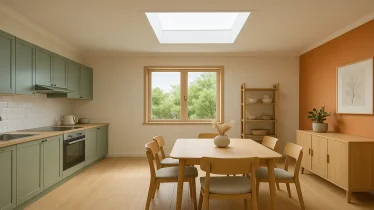
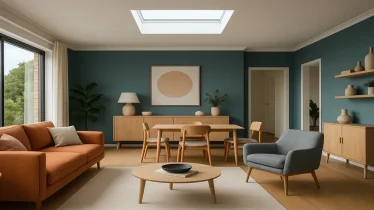
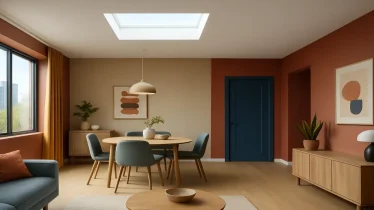
- Estate agents often note that well-lit, airy homes sell faster. Skylights instil a sense of openness and modernity, appealing to buyers seeking bright interiors.
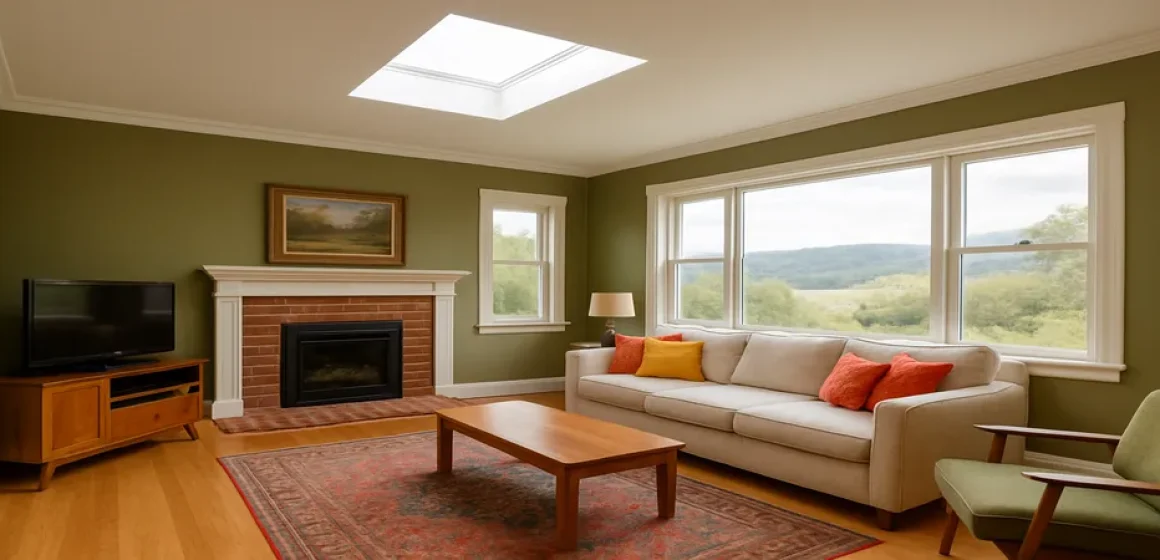
- In the Adelaide Hills, scenic roof views or glimpses of surrounding gum trees through skylights can be a unique selling point, differentiating a property in a competitive market.
Myth #3: “Overhead Glazing Is Too Risky in Bushfire Zones.”
- Reality:
- Parts of the Adelaide Hills do fall under bushfire overlays, but AS 3959 compliance allows for ember-resistant skylight materials—e.g., toughened/laminated glass, ember guards, and non-combustible frames.
- Homeowners in BAL-12.5 or BAL-19 areas typically select powder-coated aluminium frames with tight flashing to handle potential embers safely, preserving property value without compromising safety.
Myth #4: “Installation Is Complex and Costly—No ROI.”
- Reality:
- While customised or large skylights may require a higher outlay, numerous cost-effective and standard-sized solutions can deliver a pleasing ROI.
- With NCC guidelines on U-value/SHGC, choosing energy-efficient skylights can lower utility bills and make the home more attractive to eco-conscious buyers.
Myth #5: “Skylights Create Glare and Overheat Interiors.”
- Reality:
- Low-E or tinted glass plus internal blinds (manual or automated) prevent excessive summer heat or glare.
- Many homeowners pair skylights with operable features for ventilation, cutting reliance on air conditioning—highlighting both comfort and energy savings.
Local Factors Influencing Value in the Adelaide Hills
A. Climate & Seasonal Shifts
- Cool Winters: Homes that can capture precious winter sunlight feel cosier and save on heating.
- Mild Summers: Proper insulation and shading features keep interior temperatures comfortable, reducing overhead cooling costs.
B. Scenic Roof Views & Heritage Nuances
- Vineyard or Hillside Vistas: A skylight might frame a treetop or hillside view, enhancing the aesthetic appeal for potential buyers.
- Heritage Considerations: Some older Hills suburbs may have character or heritage overlays requiring discreet skylight placements.
C. Bushfire Overlays
- BAL Ratings (AS 3959): For properties in higher-risk zones, selecting ember-resistant glazing ensures compliance and protects property value.
- Insurance & Perception: Demonstrating bushfire resilience with ember-proof skylights can ease buyer concerns and possibly influence insurance rates positively.
Design & Compliance Tips
- Choose Robust Frames & Flashing
- Marine-grade or powder-coated aluminium stands up to any salt drift from the coast or general Aussie conditions.
- Thorough flashing resists wind-driven rain or the occasional intense storm rolling across the Hills.
- Opt for Double or Triple Glazing
- Maintaining thermal comfort across distinct seasonal extremes fosters year-round comfort.
- Low-E or tinted options reduce glare during bright summer days.
- Consider Operable Skylights
- Ventilation can remove hot air near ceilings, beneficial in summer.
- Automated sensors (rain, temperature) add convenience, a plus for higher-end or tech-savvy buyers.
- Address Heritage Overlays Sensitively
- If near historic precincts, place skylights on lesser-visible roof slopes or choose tubular models that keep the facade intact.
- Finish frames to match roofing materials, retaining the cottage or country manor’s authenticity.
FAQs: Skylights & Property Value in the Adelaide Hills
- Do skylights add tangible ROI during resale?
- Well-installed, energy-efficient skylights typically increase buyer appeal—estates often list “abundant natural light” as a top selling feature, contributing to faster and possibly higher-value sales.
- Are bushfire-rated skylights more expensive?
- Yes, ember-resistant frames or toughened glass cost more, yet they can be crucial for AS 3959 compliance. The potential to safeguard the home’s roof is a worthwhile investment that also appeals to cautious buyers.
- Is condensation an issue in the Hills’ cooler months?
- With double glazing and proper ventilation design, condensation issues are minimal. A well-insulated shaft or operable skylight further reduces moisture buildup.
- Does a large skylight risk summertime overheating?
- Skylights with Low-E coatings, internal blinds, or external shading effectively prevent overheating, keeping living areas manageable.
- What about heritage restrictions if my property is near Hahndorf or Stirling?
- Always consult local council or heritage committees. Subtle roof placement, matching finishes, or smaller tubular skylights can satisfy heritage overlay requirements.
Real-Life Example: A Cottage in Stirling Embraces Skylights
Scenario:
- A 1940s timber cottage in Stirling, part of the Adelaide Hills, needed more natural light while retaining its quaint frontage. Bushfire overlays demanded BAL-12.5 compliance.
Solution:
- Two Low-Profile Skylights placed on a rear roof slope, discreet from street view.
- Double-Glazed, Ember-Resistant Glass: Ensured compliance with the cottage’s BAL rating.
- Operable Features: Allowed hot air to escape in mild summers, reducing AC reliance.
Outcome:
- Notable improvement in lounge brightness—cut daytime lighting usage by approx. 25%.
- House’s value improved due to updated features aligning with buyer preferences for “light and bright,” while heritage charm remained visible from the front.
- No bushfire compliance hurdles—insurers positively noted the ember-proof skylight specs.
(Energy savings vary based on occupant habits and climate variations.)
Conclusion
Skylights can effectively boost a property’s market value and liveability in the Adelaide Hills, bridging heritage authenticity, bushfire resilience, and modern comfort. By selecting energy-efficient designs, ensuring AS 3959 compliance where necessary, and carefully integrating skylights into a home’s roofline, homeowners can harness daylight’s ambience without compromising local heritage or bushfire safety. The result? A bright, desirable Hills property that captures potential buyers’ attention and fosters year-round comfort.
Action Steps: Skylight Integration for Value in the Adelaide Hills
- Assess Heritage Overlays & BAL Ratings
- Check local council or heritage boards for design constraints. Confirm bushfire zone classification (AS 3959).
- Choose High-Performance Glazing & Frames
- Opt for double/triple glazing, Low-E coatings, and ember-resistant frames if bushfire-rated.
- Place Skylights Strategically
- Rear or side-facing slopes maintain heritage frontage aesthetics, capturing enough sunlight and ventilation.
- Seek Professional Advice
- Hire SA-registered installers knowledgeable about local codes, ensuring no oversights in seal quality or bushfire compliance.
- Maintenance & Inspection
- Clear debris or leaves, especially if near bushfire vegetation. Check flashing and hinges every six months.
By merging heritage sensitivity, bushfire resilience, and contemporary skylight technology, Adelaide Hills homeowners can achieve a measurable uplift in property appeal and market value—while enjoying the benefits of abundant natural light in every season.