Cost-Effective Skylight Options for First-Time Homeowners in Port Lincoln
1. Introduction
Port Lincoln—on the Eyre Peninsula in South Australia—is famous for its coastal lifestyle, fishing industry, and scenic ocean views. For first-time homeowners settling in this thriving region, embracing natural light through skylights can significantly enhance indoor spaces without breaking the bank. This article focuses on cost-effective skylight options tailored to Port Lincoln’s coastal climate, discussing affordable designs, energy-saving strategies, and SA building code compliance to ensure first-time buyers enjoy bright, comfortable homes at a reasonable cost.
2. Why Skylights Are Ideal for Port Lincoln’s Coastal Lifestyle
- Abundant Sunshine
- Sunny Weather: Port Lincoln’s moderate, sunny days provide ample opportunity to tap into natural daylight, reducing reliance on electric lighting.
- Coastal Breezes: Operable skylights can harness sea breezes for ventilation—potentially lowering air conditioning costs in warmer months.
- Budget Benefits
- Lower Electricity Bills: By introducing daylight, skylights trim daytime lighting expenses.
- Passive Heating: In cooler seasons, well-placed skylights capture some solar warmth, limiting heating requirements.
- Enhancing Small or Dim Spaces
- Compact Coastal Homes: First-time buyers often opt for modest floor plans—skylights can make smaller interiors feel more open and welcoming.
3. Cost-Effective Skylight Options
A. Fixed Skylights
- Affordable, Fewer Moving Parts
- Ideal for main living areas or corridors where constant daylight is desirable.
- Generally cheaper to install and maintain than operable skylights.
- Varied Sizes
- Larger fixed skylights can illuminate open-plan spaces; smaller ones suit hallways or nooks—tailored to budget constraints.
B. Tubular Skylights (Sun Tunnels)
- Minimal Roof Penetration
- Suited for tight spots (e.g., bathrooms, closets) where a standard skylight might be too big or expensive.
- Reflective tubes channel sunlight downwards, cutting installation costs while delivering focused light.
- Budget-Friendly
- Often cheaper to install due to simpler design and smaller openings—appealing for first-time homeowners.
C. Operable (Manual or Motorised) Skylights
- Ventilation Perks
- Though slightly pricier, manual or motorised skylights can expel hot air during summer, potentially offsetting some cooling costs.
- For a moderate budget, manual versions might be more feasible than motorised systems.
- Rain Sensors and Automation
- Premium add-ons (automated blinds, sensors) boost convenience but increase costs. Evaluate if your budget allows for these extras.
D. Recycled or Sustainable Materials
- Reclaimed Timber or Aluminium Frames
- Some manufacturers offer frames made with recycled materials, contributing to eco-friendliness and, in some cases, cost savings.
- Check for salt-air resistance if you’re close to the coast, given Port Lincoln’s maritime climate.
4. Budget-Friendly Strategies for Skylight Installations
- Compare Skylight Brands and Models
- Research multiple suppliers to find deals or discounts, especially during off-peak renovation seasons.
- Look for standardised sizes which typically cost less than bespoke, custom skylights.
- DIY vs. Professional Installation
- DIY: Possible for smaller, simpler skylights if you have roofing experience, but be mindful of potential roof leaks and code compliance issues.
- Professional: Licensed SA installers ensure proper flashing and NCC compliance—preventing costly fixes later.
- Selective Placement
- Focus on Core Areas: If the budget is tight, install skylights in the highest-impact rooms (kitchen, living room) for maximum daylight effect.
- Avoid Over-Illumination: Adding multiple skylights might not be cost-effective—sometimes just one well-placed skylight can brighten an entire space.
- Energy Rebates or Local Incentives
- Check SA Government Initiatives: Some local or statewide energy-efficiency programs might offset initial costs if your skylight meets certain standards (e.g., double glazing, low U-value).
5. Compliance with SA Building Codes and Local Council
A. National Construction Code (NCC)
- Energy Efficiency Requirements: Skylights must adhere to U-value and Solar Heat Gain Coefficient (SHGC) guidelines, ensuring minimal heat loss/gain.
- Structural Integrity: Even cost-effective skylights must pass basic load and wind resistance checks.
B. AS 1288—Glass in Buildings
- Safety Glass: Overhead glazing demands toughened or laminated glass, a standard requirement for occupant safety.
- Installation Best Practices: Ensuring proper sealant and flashing is vital to prevent leaks, especially in windy or rainy coastal climates.
C. AS/NZS 4284—Testing of Building Facades
- Weatherproof Standards: Coastal storms mean skylights should withstand wind-driven rain. Opt for products proven to be tested under these standards.
- Performance Metrics: Verified products are less likely to incur long-term maintenance costs—a wise investment despite a modest initial budget.
D. Local Council Permissions
- Port Lincoln Council Regulations: Check if any heritage restrictions or overlay codes apply, although typical modern suburbs usually only require building permits for substantial roof modifications.
- Minor Works or Exemptions: Some small tubular skylights might not need a formal permit, but always verify to avoid non-compliance.
6. FAQs: Skylight Options for Port Lincoln’s First-Time Buyers
- Are cheaper skylights less durable in a coastal setting?
- Not necessarily. Even budget-friendly models can be marine-grade or powder-coated. Compare warranties and check for salt-air suitability.
- Can I install just one skylight to illuminate multiple rooms?
- It depends on your floor plan. A central corridor or open-plan living can often benefit from a single skylight, but some layouts need multiple.
- Are tubular skylights bright enough for main living areas?
- Tubular skylights excel at channelling direct light into small or corridor-like spaces. Larger living rooms might need bigger, fixed skylights or multiple tubes.
- Will a cost-effective skylight still comply with energy codes?
- As long as you choose products meeting NCC U-value/SHGC standards and use safety glass (AS 1288), you can remain compliant on a budget.
- What is the simplest way to manage heat in a cheap skylight?
- Opt for Low-E or tinted glass, and consider an internal blind or a reflective film. Regularly venting the room or using fans also helps.
7. Real-Life Example: A Budget Skylight in a Port Lincoln Starter Home
Scenario:
A two-bedroom starter home in a new Port Lincoln suburb needed better daylight in the combined kitchen-lounge area but had a limited renovation fund.
Solution:
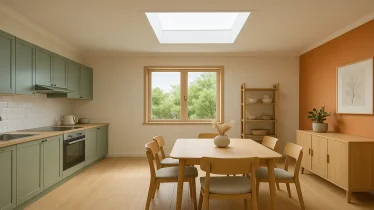
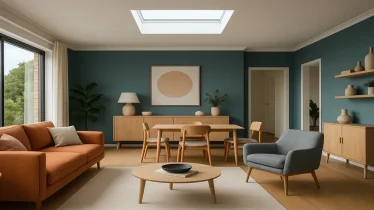
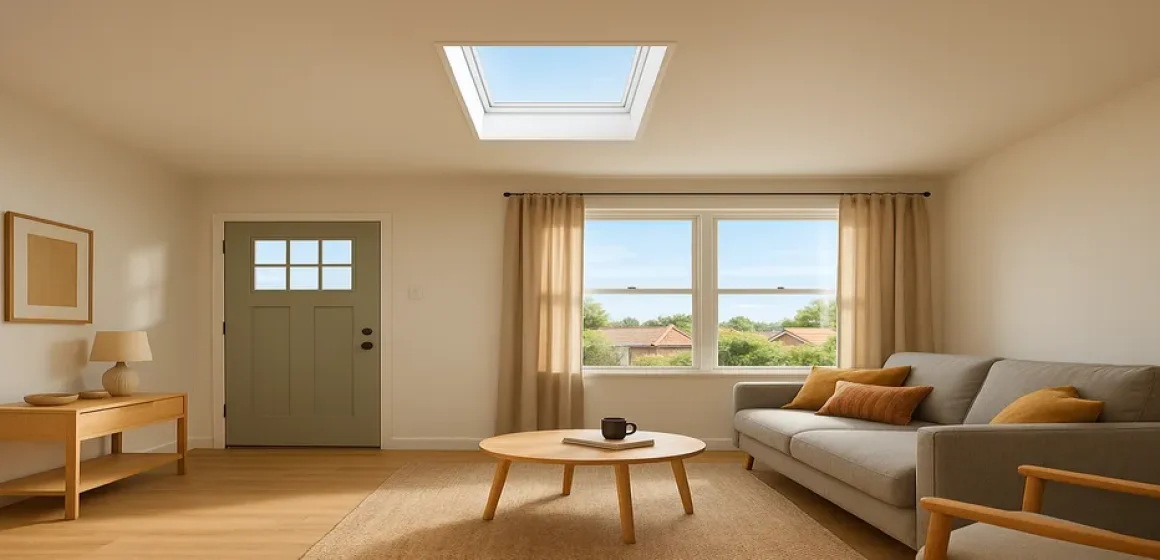
- Single Fixed Skylight: Installed above the lounge zone—double-glazed with a powder-coated aluminium frame to resist sea breezes.
- Tubular Skylight for Corridor: To brighten the hallway leading to bedrooms with minimal roof penetration and cost.
- Low-E Coating: Kept summer heat manageable while improving winter warmth retention.
Outcome:
- Daytime lighting usage dropped significantly, saving the new homeowners on electricity bills.
- The property maintained compliance with NCC and local council requirements.
- With moderate, scheduled maintenance, the owners expect durability and cost-effectiveness for years to come.
(Energy savings are illustrative; actual results vary with usage patterns and environmental conditions.)
8. Conclusion
For Port Lincoln’s first-time homeowners, cost-effective skylight installations can breathe life into compact floor plans, improving daylight, ventilation, and overall living quality—without overshooting renovation budgets. By selecting budget-friendly models (like tubular or fixed skylights), focusing on energy-efficient coatings, and adhering to SA building codes, you’ll achieve bright, inviting spaces that stand up to coastal conditions. With routine maintenance to combat salt-air residue, your skylights will keep shining for years—offering a smart, affordable solution to coastal living in South Australia.
Action Steps: Installing Affordable Skylights in Port Lincoln
- Assess Your Home Layout and Budget
- Identify the areas (kitchen, lounge, corridor) needing daylight—start with the biggest impact room first.
- Choose Cost-Effective Skylight Types
- Fixed or tubular skylights often cost less. Ensure frames are corrosion-resistant for coastal air.
- Explore Low-E and Double Glazing
- Even budget models with Low-E options can help keep heat at bay in the warmer months and retain warmth in cooler weather.
- Consult Local Installers
- Work with SA-registered professionals who understand coastal roof challenges and code compliance.
- Check Council Requirements
- Some minor skylight additions might be exempt from major permits, but verify any local overlays or building approval steps.
- Plan Simple Maintenance
- Regularly rinse off salt deposits, inspect seals, and test for water-tightness, ensuring skylights remain efficient and problem-free.
By following these steps, you can adopt cost-effective skylight solutions tailored to Port Lincoln’s coastal climate, bringing natural light and energy savings to your first home—without straining your renovation budget.