Integrating Skylights into Tamworth’s Modern Farmhouses
1. Introduction
Nestled in the New England region of New South Wales, Tamworth is known for its undulating farmland, country charm, and distinct seasonal climate. As more farmers and rural homeowners adopt modern farmhouse aesthetics—characterised by open layouts, pitched roofs, and sustainable materials—skylights emerge as a key feature to enhance natural light, energy efficiency, and rural appeal. This article explores how to integrate skylights into Tamworth’s modern farmhouses, providing design strategies, bushfire code compliance tips, and practical insights for elevating rural living with abundant daylight.
2. Understanding Tamworth’s Rural Climate and Farmhouse Challenges
- Seasonal Extremes
- Hot Summers, Cool Winters: Tamworth’s inland location experiences dry, hot summers and cooler temperatures in winter. Skylight designs should manage heat gain while retaining warmth in cooler months.
- Variable Rainfall: Sudden downpours require durable, well-sealed skylights to prevent leaks in pitched farmhouse roofs.
- Rural Dust and Debris
- Farming Activities: Proximity to paddocks can mean dust-laden winds or debris from harvest operations. Skylights need robust sealing and regular cleaning to maintain clear light transmission.
- Bushfire Risk: Some farmhouses may be in bushfire-prone overlays; choosing ember-resistant or fire-rated skylights is crucial.
- Architectural Style: Modern Farmhouse
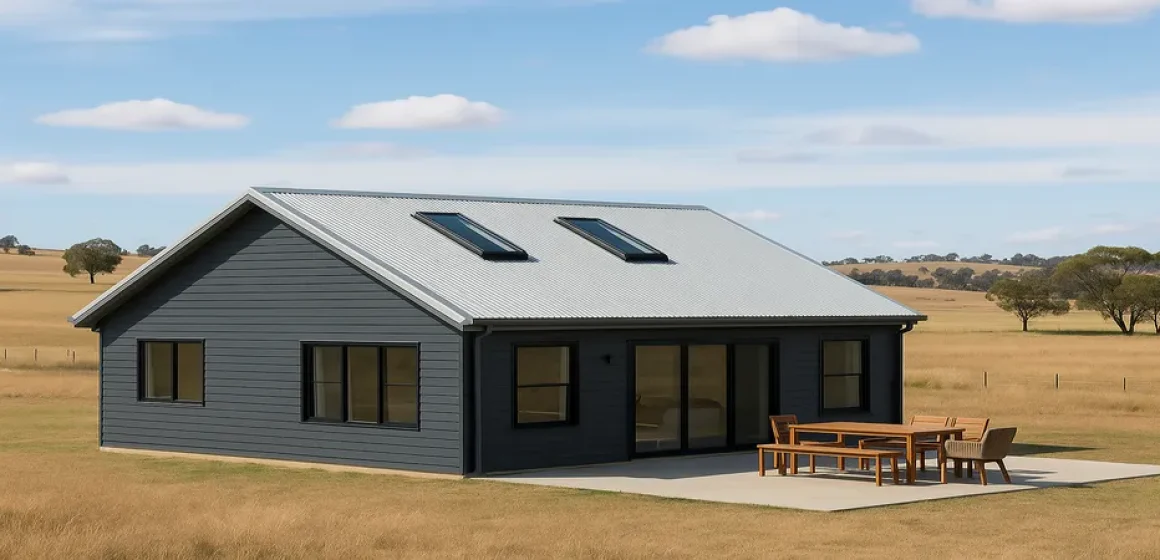
- High-Pitched Roofs: These roofs are typically ideal for skylights, facilitating natural venting of hot air near the ceiling.
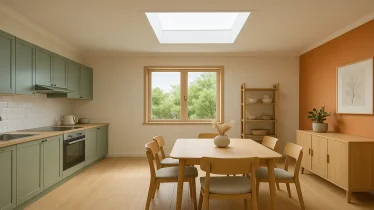
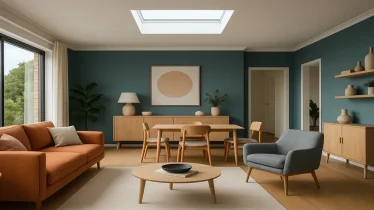
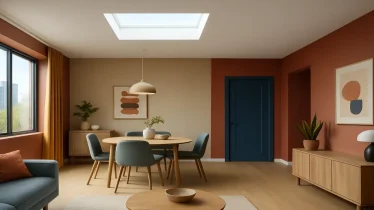
- Open Floor Plans: Skylights can illuminate large, central living spaces, adding a warm, natural aesthetic to the modern farmhouse vibe.
3. Energy-Efficient Skylight Designs for Rural Properties
A. Double or Triple Glazing
- Thermal Regulation: Multi-pane glazing minimises heat transfer, ideal for hot Tamworth summers and cool winters.
- Condensation Control: Additional panes reduce condensation on cold winter mornings, preserving indoor air quality.
B. Low-E (Low Emissivity) Coatings
- UV and Heat Protection: Low-E glass reflects infrared and UV rays, helping keep interiors cooler and preventing furnishings from fading.
- Retaining Warmth: In winter, these coatings also help lock in indoor heat, reducing reliance on heaters.
C. Insulated Frames and Thermal Breaks
- Preventing Heat Bridging: Insulated frames reduce temperature transfer between outside and inside, maintaining consistent indoor temperatures.
- Rural Dust Defence: Sturdier framing can also resist dust infiltration during windy, dusty harvest seasons.
D. Operable Skylights
- Natural Ventilation: Opening skylights allow hot air to escape in summer, promoting cross-breezes—particularly useful on large properties where air conditioning might be less efficient.
- Smart Controls: Automated features (rain sensors, temperature controls) prevent leaks or heat build-up in unattended farmhouses.
4. Bushfire Code Compliance in Tamworth
A. AS 3959—Construction of Buildings in Bushfire-Prone Areas
- Ember-Resistant Skylights: Properties in bushfire overlays may need ember-proof glass and frames that resist direct flame or ember attacks.
- BAL Ratings: Depending on your Bushfire Attack Level (BAL), you may require specific skylight materials (e.g., toughened or laminated glass) or ember guards.
B. National Construction Code (NCC)
- Energy Efficiency and Structural Integrity: Skylights must comply with U-value and Solar Heat Gain Coefficient (SHGC) standards, plus handle any local wind loads.
- Rural Roofing Requirements: For pitched farmhouse roofs, ensure skylights are installed following AS/NZS 4284 testing for weatherproofing under strong winds or storms.
C. Local Council Regulations
- Tamworth Regional Council Approvals: Some farmhouse renovations may need building approval, especially if altering load-bearing structures.
- Heritage Overlays (If Applicable): Certain older rural homesteads may have heritage status—confirm any restrictions on roof modifications before installing skylights.
5. Design Tips for Modern Farmhouse Skylights in Tamworth
A. Roof Positioning and Orientation
- North-Facing vs. South-Facing: North-facing skylights capture more winter sun, aiding passive heating. South-facing (or east-facing) skylights reduce harsh summer glare.
- Avoiding Overexposure: In extremely hot areas, consider shading devices or tinted glass to prevent overheating in peak midday sun.
B. Reflective Interiors and Décor
- Bright Palettes: Modern farmhouse designs often feature white or light-coloured walls, helping distribute incoming daylight more effectively.
- Timber Accents: Pairing timber beams or panelled ceilings with skylights creates a warm, rural aesthetic.
C. Controlling Summer Heat Gain
- Shading Systems: Motorised blinds or integrated awnings block intense midday sun, crucial for Tamworth’s hot spells.
- Ventilated Shafts: If using a light shaft or internal opening, ensure it’s properly vented to release accumulated heat.
D. Seasonal Maintenance
- Dust and Debris Removal: Windy conditions or harvest dust may settle on skylights, necessitating periodic cleaning to keep glass clear.
- Seal and Flashing Checks: Inspect frames and flashing for dryness or cracking, especially in hot weather, to maintain weatherproofing.
6. FAQs: Skylights for Tamworth’s Modern Farmhouses
- How do I handle dust or debris on skylights in a rural environment?
- Schedule quarterly cleaning or post-harvest checks, removing any build-up with mild cleaning solutions and gentle brushes.
- Are operable skylights necessary in Tamworth’s climate?
- Operable skylights are highly beneficial in hot summers, enabling natural ventilation and reducing indoor temperatures, especially if air conditioning is limited.
- Do I need bushfire-rated skylights if my farmhouse is not in a bushfire overlay?
- It’s not mandatory, but ember-resistant or toughened glass provides extra safety. Always confirm your property’s specific zoning and BAL rating.
- Which glazing option is best for Tamworth’s temperature swings?
- Double or triple glazing with Low-E coatings offers excellent insulation for both hot and cold extremes.
- Will skylights affect my roof’s structural integrity?
- When installed correctly—especially under NCC guidelines and with a registered installer—skylights should not compromise the roof’s strength.
7. Real-Life Example: Skylights in a Tamworth Farmhouse Renovation
Scenario:
A four-bedroom farmhouse on a 10-acre property near Tamworth sought to modernise its interior with more natural light while minimising power usage during hot summers.
Solution:
- Double-Glazed Operable Skylights: Placed along the north-facing slope of the pitched roof in the living area, capturing gentle morning sun and venting hot air in afternoons.
- Low-E Coatings and Insulated Frames: Reduced heat gain during peak summer highs, with thermal breaks preventing winter heat loss.
- Rain Sensors and Automated Blinds: Protected against unexpected storms or intense midday sun, maintaining comfort levels automatically.
Outcome:
- Achieved a 30% reduction in daytime lighting costs, with the living space naturally lit for most of the day.
- Interior temperatures remained cooler, cutting reliance on fans or air conditioning, especially beneficial in Tamworth’s summer climate.
- Maintained the modern farmhouse aesthetic, blending rustic timber elements with sleek skylight frames.
(Energy savings are illustrative; actual results vary based on usage patterns and seasonal conditions.)
8. Conclusion
Integrating skylights into Tamworth’s modern farmhouses can transform interiors by maximising natural light and managing indoor temperatures under Tamworth’s sunny climate. By selecting energy-efficient glazing, low-maintenance materials, and coastal/bushfire-compliant features (if needed), homeowners can create a sustainable, comfortable environment that enhances both traditional farmhouse charm and contemporary design. With a focus on local building codes and routine maintenance, skylights offer the perfect fusion of rural aesthetics and modern functionality.
Action Steps: Installing Skylights in Tamworth’s Modern Farmhouses
- Assess Climate and Building Needs
- Identify rooms (kitchen, living area, corridors) that need brighter, natural light or improved ventilation.
- Choose Appropriate Glazing and Frames
- Opt for double/triple glazing, Low-E coatings, and insulated frames to handle Tamworth’s hot summers and cooler nights.
- Engage Certified Installers
- Work with NSW-registered professionals familiar with rural building conditions and local bushfire overlays where applicable.
- Confirm Bushfire and NCC Compliance
- Ensure compliance with AS 3959 (if in a bushfire overlay), AS 1288, and NCC for energy efficiency and structural integrity.
- Plan Maintenance Schedule
- Perform regular checks for dust accumulation, farmland debris, and seal/flashing integrity to keep skylights in prime condition.
- Incorporate Smart Controls (Optional)
- Automate blinds or opening mechanisms for optimal temperature control and easy operation.
By following these steps, you’ll successfully integrate skylights into your Tamworth farmhouse, reaping cost-effective energy savings, a bright interior, and an elevated modern farmhouse aesthetic that respects local conditions and building codes.