How Skylights Save Energy During Melbourne’s Cold Winters
Melbourne winters can be brisk, with temperatures dropping well into the single digits overnight. However, the solution to a chilly, dim interior isn’t always cranking up the heater. Skylights—when chosen and installed correctly—can keep your home cosier, brighter, and more energy-efficient throughout the colder months. Below, we’ll bust a few myths, highlight a real-world case study, and share quick tips for Victorian homeowners seeking winter comfort and lower power bills.
1. Myth vs. Reality: Skylights in Cool Climates
Instead of the usual pros-and-cons list, let’s tackle some common myths that often stop Melburnians from adding skylights.
Myth #1: “Skylights always let out heat.”
- Reality: High-quality skylights with double glazing or Low-E coatings actually retain warmth. Proper seals and insulation around the frame mean minimal heat loss.
Myth #2: “They’re only for summer sunlight.”
- Reality: In winter, skylights positioned to capture northern or western sun can significantly reduce reliance on artificial lighting and even provide some solar warmth.
Myth #3: “Overcast Melbourne means skylights aren’t effective.”
- Reality: Even diffused light on grey days helps brighten spaces and cuts lighting bills. Skylights don’t need direct sun to make a difference in room ambience.
Myth #4: “They’ll just leak in heavy winter rains.”
- Reality: Modern skylights undergo AS/NZS 4284 weatherproofing tests. With certified installers and robust flashing, leaks are rare—even in Melbourne’s drizzliest weather.
2. Case Study Spotlight: A Fitzroy Terrace Revival
The Property:
- A two-storey heritage terrace in Fitzroy, built in the late 1800s.
- Narrow rooms, minimal natural light, and a drafty upstairs study that felt freezing in winter.
The Skylight Solution:
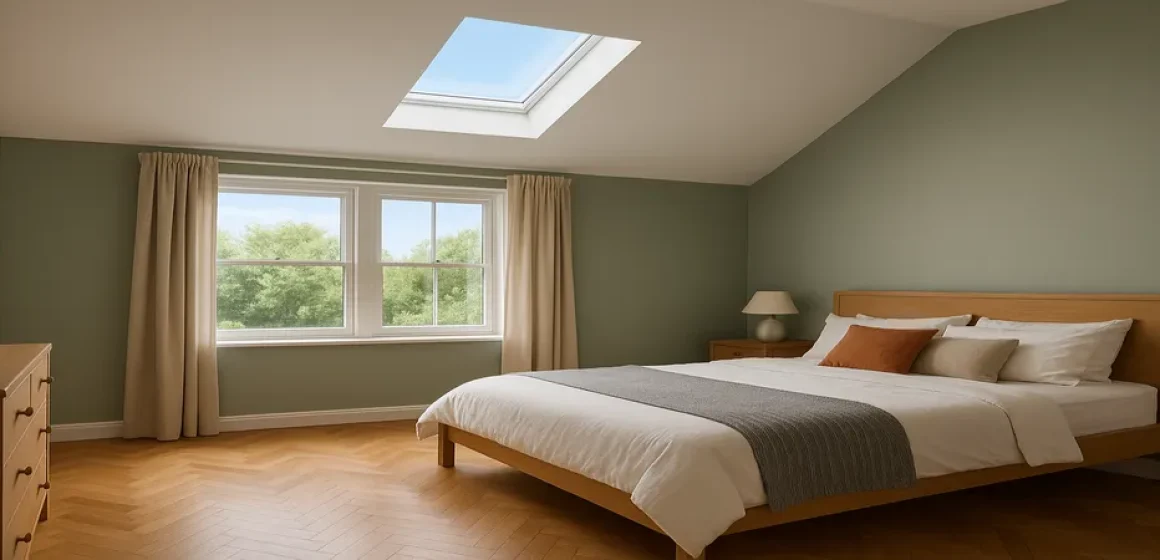
- After consulting a heritage architect, the owner added two double-glazed, operable skylights in the study and attic bedroom, each oriented to catch midday winter sun.
- Discreet Flashing and a sympathetic roof pitch ensured local heritage guidelines were met.
Results:
- A noticeable 10–15% decrease in winter heating costs (comparing before-and-after energy bills).
- The once-dreary study became an inviting workspace, with increased natural light reducing the need for lamps and overhead lighting.
- Operable skylights provided ventilation for milder days, preventing stuffiness—a bonus outside the heating season.
(Note: If you own a heritage or period property, always verify local council rules and consult with heritage planners to ensure any skylight addition is compliant.)
3. Quick Tips: Getting the Most Out of Winter Skylights
Below are bite-sized suggestions you can implement right away:
- Go for Higher Insulation:
- Double or Triple Glazing: Minimises heat loss and can add a layer of soundproofing (great for busy Melbourne streets).
- Install Internal Blinds or Shades:
- In particularly cold snaps, blinds help trap rising heat overnight.
- Look for thermal or honeycomb designs for extra insulation.
- Optimise Orientation:
- North-Facing Skylights: Capture more winter sun—ideal in the southern hemisphere.
- Avoid overshadowing from taller trees or neighbouring structures if possible.
- Consider Smart Features:
- Rain Sensors & Timers: Let in daylight when it’s clear, keep out moisture during Melbourne’s drizzle.
- Automatic Vents: A quick boost of ventilation on sunnier days can reduce humidity and let sunlight stream in.
- Talk to an Expert:
- Skylight installers familiar with Victorian building codes ensure compliance with AS 1288 (safety glazing) and local council guidelines.
4. FAQ Corner: Your Winter Skylight Questions Answered
- Will a skylight help with passive solar heating?
Absolutely. If placed strategically (often north- or west-facing in Melbourne), skylights can capture low-angle winter sunlight and warm up interior spaces naturally. - What about condensation issues in winter?
Using ventilated skylights or adding exhaust fans (in bathrooms/kitchens) mitigates humidity build-up. Double-glazing also limits interior surface condensation. - Do skylights qualify for energy rebates in Victoria?
Some Victorian Energy Upgrades or council-based programs might partially cover energy-efficient skylight installations. Always check the Sustainability Victoria or your local council’s website for current incentives. - Is it difficult to retrofit skylights in heritage homes?
It can be, due to strict aesthetic and structural rules. However, as seen in the Fitzroy example, careful planning and discreet designs can harmonise modern skylights with historic architecture.
5. Final Thoughts & Take the ‘Winter Efficiency’ Quiz
Skylights aren’t just a summer fix; they can be game-changers during Melbourne’s bleak winters—increasing natural light, reducing heating bills, and enhancing wellbeing. By selecting insulated glazing, optimal orientation, and compliant installations, you’ll stay warm, cosy, and eco-friendly through winter’s longest nights.