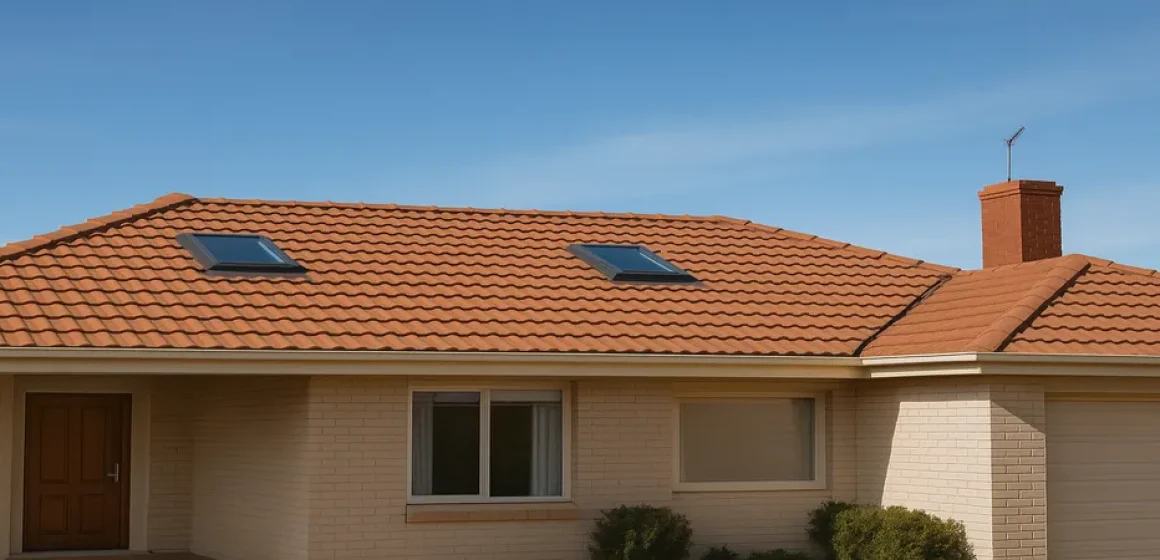
Year-Round Skylight Maintenance Guide for Southern Australia’s Varied Climates
From the cool, wet winters in the southern regions to scorching summers in inland areas, Southern Australia experiences a wide range of seasonal extremes. For skylight owners, these annual shifts can stress seals, frames, and glazing, affecting energy efficiency and performance. With a season-by-season maintenance plan, you’ll proactively preserve your skylight’s longevity—be it near coastal waters, inland farmland, or suburban developments. This Year-Round Skylight Maintenance Guide ensures your overhead glazing stays clean, watertight, and code-compliant through each of Southern Australia’s changing climates.
Autumn (March – May)
Key Focus: Prepping for Damp Conditions
- Gutter & Roof Clearing
- Fallen Leaves & Debris: Autumn foliage often clogs roof channels near skylights, risking water pooling in rains.
- Top Tip: Check all flashing edges. Clear out leaves or twig build-up once every few weeks if your area is leaf-prone.
- Frame Inspection & Sealing
- Marine-Grade or Powder-Coated Frames: If living near the coast (e.g., Victor Harbor), ensure no scratches or rust spots. Touch up chipped areas with corrosion-resistant paint.
- Seal Integrity: Press gently on skylight edges to feel if any silicone or sealant is loose. Reapply as needed, using roof-approved sealants.
- Light Shaft & Interior Check
- Condensation Spots: With days cooling down, confirm no moisture collects on internal frames. Look for small water marks or mould near plaster or wooden panels—early signs of a minor leak.
- Bushfire Overlay Reminder
- If your property is in a bushfire-prone zone (BAL-12.5+), remove leaf litter or flammable debris to reduce ember accumulation near the skylight’s edges.
Winter (June – August)
Key Focus: Handling Cold, Wet Weather
- Leak Vigilance
- Frequent Rain: In colder, wetter areas (e.g., Mount Gambier, Adelaide Hills), watch for drip stains on the ceiling. Quick detection can save major interior repairs.
- Glazing for Warmth
- Double or Triple Glazing Check: Examine inner glass surfaces for unusual cold spots or condensation. If condensation is persistent, the glazing or frame insulation may be underperforming.
- Operable Skylights
- Minimise Drafts: Ensure the opening mechanism still seals fully when closed. Tight seals lock in warmth during Southern Australia’s winter nights.
- Occasional Ventilation: A brief opening on milder winter afternoons can freshen indoor air without significantly losing heat.
- Cleaning During Short Dry Spells
- Gentle Wipe-Down: If a sunny break occurs, quickly wipe glass surfaces (outside & inside) to remove winter grime or potential mildew near seals.
Spring (September – November)
Key Focus: Transition from Cold to Warming Temperatures
- Thorough Roof & Skylight Wash
- Dust, Pollen, Bird Droppings: As spring breezes carry pollen or orchard dust (if rural), a mild detergent rinse with a soft sponge clarifies the skylight surface for maximum sunlight.
- Check for Early Rust Spots: Even powder-coated frames can show rust flecks if scratched—spot-treat to prevent expansion.
- Sensor & Blind Testing (If Installed)
- Motorised or Automated Systems: Ensure your skylight’s rain sensors, temperature triggers, or blinds are responsive after winter inactivity.
- Lubricate Hinges: Use a silicone-based spray to keep manual or motorised opening mechanisms rust-free.
- Weather Seal Refresh
- Check for Warping: Warmer days can cause older sealants to expand or degrade. Fill minor gaps before they widen in summer’s heat.
- Heritage or Coastal Overlays: If your local council demands specific roofing guidelines, confirm any new or replaced sealants comply with them.
- Energy Efficiency Tuning
- Low-E or Tinted Glass Performance: Warmer days mean glare control—test internal blinds or shading devices to see if they effectively reduce midday heat gain.
Summer (December – February)
Key Focus: Managing Heat, Glare & Occasional Storms
- Heat Gain Mitigation
- Internal Blinds or External Awnings: If your skylight lacks shading, consider installing cost-effective blinds to reduce peak-hour sun.
- Operable Skylights & Ventilation: Opening them mid-afternoon can vent out built-up heat, especially in farmland or inland suburbs.
- Storm-Readiness
- Summer Rains & Storms: In some southern areas, storms can be sudden and intense. Double-check flashing edges for tightness—loose corners or aged sealants cause leaks under heavy downpours.
- Wind-Resistant Frames: For coastal or windy spots (e.g., near the SA coast), ensure frames remain firmly bolted; any wiggle points can lead to water intrusion or rattling.
- Salt-Air or Bushfire Season
- Salt Residue Rinses: If you live along the southern coastline, a monthly freshwater rinse on frames can ward off salt-induced corrosion.
- Ember Check: High bushfire risk (late summer dryness) means clearing flammable debris near skylights is essential for compliance with AS 3959.
- Visual Inspection of Shafts & Ceilings
- Excessive Heat: Ensure no warping of interior trim or adhesives around the skylight shaft due to high temperatures. Re-adhere any peeled edges promptly.
FAQs: Year-Round Skylight Care in Southern Australia
- Do I need extra maintenance if my skylight is in a bushfire overlay?
- Yes. Clearing flammable debris, ensuring ember-proof seals, and verifying compliance with AS 3959 for overhead glazing helps protect your home.
- How often should I check for leaks or cracks?
- Twice a year minimum—ideally at the start of winter and summer. After any severe storm, do a quick post-storm check to catch potential damage.
- Are there special products for salt-laden air near the coast?
- Marine-grade or powder-coated frames, anti-corrosion sealants, and regular rinses remain paramount to preserving metal frames.
- Will I still need professional inspections?
- For complex roofs or if you notice persistent condensation or minor leaks, a licensed installer or roofer can confirm correct flashing and compliance with codes.
- Does this seasonal approach differ for heritage homes?
- Heritage owners might have extra constraints—like discreet skylight placement—but the general “check seals and frames each season” principle stays the same.
Conclusion
Skylights can transform Southern Australia homes with natural light, energy savings, and enhanced ambience. But local climates—from coastal salt air to dry inland summers and bushfire overlays—require consistent, seasonally aware maintenance. By following a year-round schedule—autumn roof clearing, winter leak checks, spring cleaning & sensor tests, and summer glare/heat management—you’ll extend your skylight’s lifespan, keep overhead glazing code-compliant, and savour sun-filled comfort in every season.
Action Steps: Seasonal Skylight Care
- Mark Seasonal Tasks
- Use a calendar reminder each autumn and spring, plus additional checks pre-winter and pre-summer transitions.
- Adopt a Quick Post-Storm Routine
- After heavy rain or wind, quickly inspect seals, flashing, and any debris accumulation.
- Select Suitable Materials
- If installing new skylights, ensure marine-grade or powder-coated frames if near the coast; ember-resistant models if in bushfire zones.
- Keep Maintenance Budget
- Allocate funds for small repairs: refreshing sealants, replacing minor hardware, or scheduling professional inspections to avoid bigger issues down the road.
- Leverage Local Expertise
- SA-registered installers or roofing professionals can confirm compliance with the NCC and overhead glazing standards (AS 1288) for overhead installations.
By internalising this year-round Skylight Maintenance Guide, you’ll stay proactive, saving on major repairs while reaping the full reward of natural daylight across Southern Australia’s wide-ranging climates—no matter the season.