Modern Skylight Technology for Multi-Storey Developments in Adelaide CBD
As Adelaide’s CBD expands upward with multi-storey developments—from high-rise apartment blocks to office towers—natural light becomes a premium resource. Modern skylight technology offers a sophisticated approach to brightening interiors, reducing energy usage, and creating uplifting spaces even in densely populated areas. In this Q&A interview, we chat with Samuel Wright, an Adelaide-based architect specialising in urban high-rise projects, about integrating skylights into vertical developments, addressing compliance, maintenance, and the latest innovations that benefit residents, tenants, and property managers alike.
Q&A on Modern Skylights for Adelaide’s Multi-Storey Buildings
Q1: Why are skylights becoming popular in Adelaide’s city centre high-rises?
Samuel Wright (Architect):
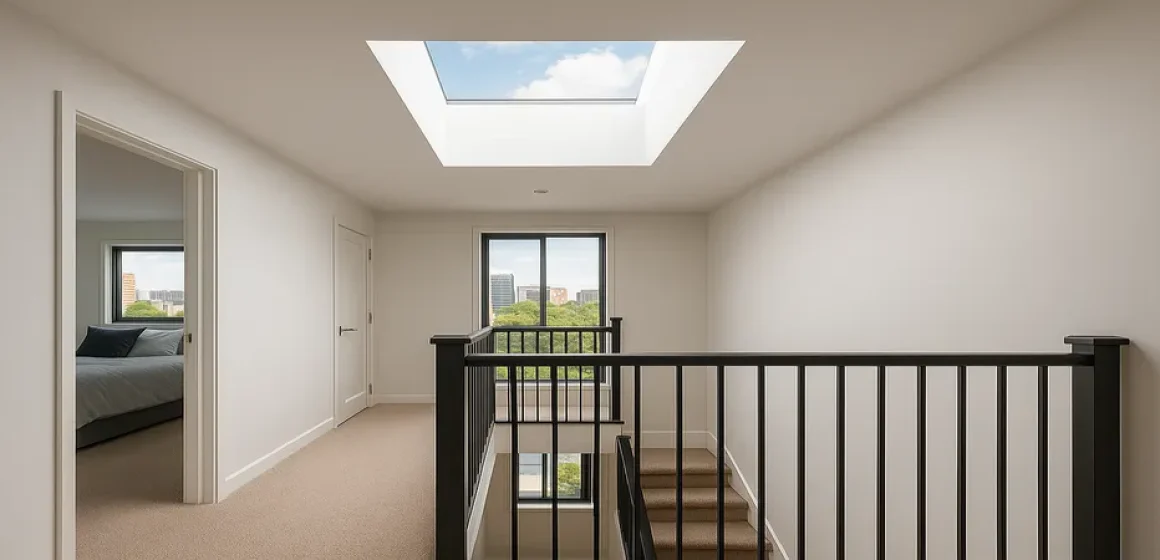
“Adelaide’s CBD is evolving rapidly—more multi-storey builds, mixed-use complexes, and repurposed office spaces. Skylights bring natural light into interior corridors, shared lounges, or even top-level commercial zones, reducing reliance on artificial lighting. It not only cuts daytime electricity costs but also fosters a more welcoming environment, which boosts tenant satisfaction and property appeal.”
Q2: What unique challenges do high-rise skylight installations face in Adelaide’s urban setting?
Samuel:
“Skylights in tall buildings must contend with strong winds, vertical load stresses, and sometimes complex roofing systems. For instance, a 15-storey building near the Torrens River might face higher wind speeds. We typically recommend robust flashing and weatherproof testing (AS/NZS 4284). Also, ensuring structural support so the roof can handle the skylight’s weight—especially if it’s a large overhead fixture or roof lantern—matters in multi-storey contexts.”
Q3: How do building codes like the NCC impact skylight design in high-rises?
Samuel:
“The National Construction Code (NCC) sets energy efficiency and structural standards for skylights. For multi-storey developments, verifying U-values and Solar Heat Gain Coefficient (SHGC) to meet or exceed certain requirements is vital. In some cases, glass must be toughened or laminated (AS 1288) to ensure occupant safety in overhead installations. If your building is near bushfire overlays on Adelaide’s outskirts, you might check ember resistance as well (AS 3959), though that’s less common in the central CBD.”
Q4: Are there specific skylight technologies best suited for high-rises in Adelaide?
Samuel:
“Yes, absolutely:
- Double/Triple-Glazed Units:
- Excellent for insulating top-level floors, preventing heat gain in our warm summers, and retaining heat on cooler nights.
- Electrochromic or Photochromic Glass:
- Automatically tints when sunlight is too intense—a fantastic feature to manage glare in tall buildings.
- Operable Skylights with Smart Controls:
- Great for communal rooftop terraces—vent out hot air, rely less on mechanical cooling, and tie into the building’s central automation system.”
Q5: What about cost and ROI for building owners or strata committees?
Samuel:
“Upfront costs can be higher for advanced tech (like electrochromic glass), but the long-term ROI is significant:
- Lower daytime lighting bills in corridors or shared lounges
- Passive ventilation reduces air conditioning demands
- Increased tenant satisfaction and property values, especially in premium multi-storey residences
For budget-conscious projects, even standard double-glazed units with manual blinds can yield substantial energy savings.”
Q6: How can developers ensure skylights remain safe and leak-free on tall buildings?
Samuel:
“It’s about quality installation and routine maintenance. We advise:
- Marine-Grade or Powder-Coated Aluminium frames to resist coastal or city pollutants (think SA’s dryness plus potential salt near the gulf).
- Detailed Flashing that withstands wind-driven rain, verified through AS/NZS 4284 testing.
- Biannual inspections for seals, especially if the building’s tall and roof access is more complex. Elevator machine rooms or parapet expansions might require special roof walkway systems to safely reach skylights.”
Q7: Could you share a quick example of a multi-storey skylight success in Adelaide’s CBD?
Samuel:
“Sure! Recently, a 10-level apartment building near Rundle Mall installed two large fixed skylights above the central atrium. They used double glazing with an electrochromic film to reduce heat in summer. As a result, corridors and lounge areas require minimal artificial lighting during the day, cutting strata electricity bills by about 20%. Residents also praised the airy feel—it’s become a highlight for prospective buyers viewing the building.”
Expert Panel Tip: Adelaide CBD vs. Suburban High-Rises
- City Centre: Typically sees more dense, vertical builds, possibly overshadowed by nearby towers—skylights can ensure top floors or central atriums get daylight even when external windows are overshadowed.
- Suburban or Mid-Rise: Might face heritage overlays in older suburbs or increased bushfire considerations if near the Adelaide foothills. Skylights still help, but compliance checks (AS 3959) or council heritage rules might come into play.
Action Steps: Modern Skylights for Adelaide’s Multi-Storey Buildings
- Evaluate Rooftop Structure & Wind Exposure
- Engage SA-registered structural engineers to confirm the roof can handle skylight additions, factoring in wind loads from elevated heights.
- Decide on Glazing Tech
- For maximum efficiency, consider double/triple glazing, Low-E, or electrochromic glass if budgets permit.
- Incorporate Automation
- Link skylights to the building’s BMS (Building Management System) for automated opening/closing, controlling glare, or venting warm air.
- Check NCC Compliance & Council Requirements
- Ensure overhead glazing safety (AS 1288), weather testing (AS/NZS 4284), and confirm any local approvals needed within Adelaide’s city council or heritage precincts.
- Plan Maintenance
- Factor in safer roof access or a walkway system for skylight cleaning and inspections—essential for high-rise dwellings.
Conclusion
For multi-storey developments in the Adelaide CBD, modern skylight technology offers an innovative route to enhance natural light, energy efficiency, and occupant well-being. From double-glazed or electrochromic skylights to advanced operable systems integrated with smart building controls, these installations can transform communal lounges, corridors, and top-floor apartments into bright, inviting spaces—without ballooning electricity costs. By ensuring code compliance, choosing durable materials, and scheduling regular upkeep, developers and strata committees can capitalise on Adelaide’s ample sunshine while delivering top-tier amenities in the heart of the city’s rapidly evolving skyline.