Why Skylights Are Perfect for Queensland’s Coastal Properties
1. Introduction
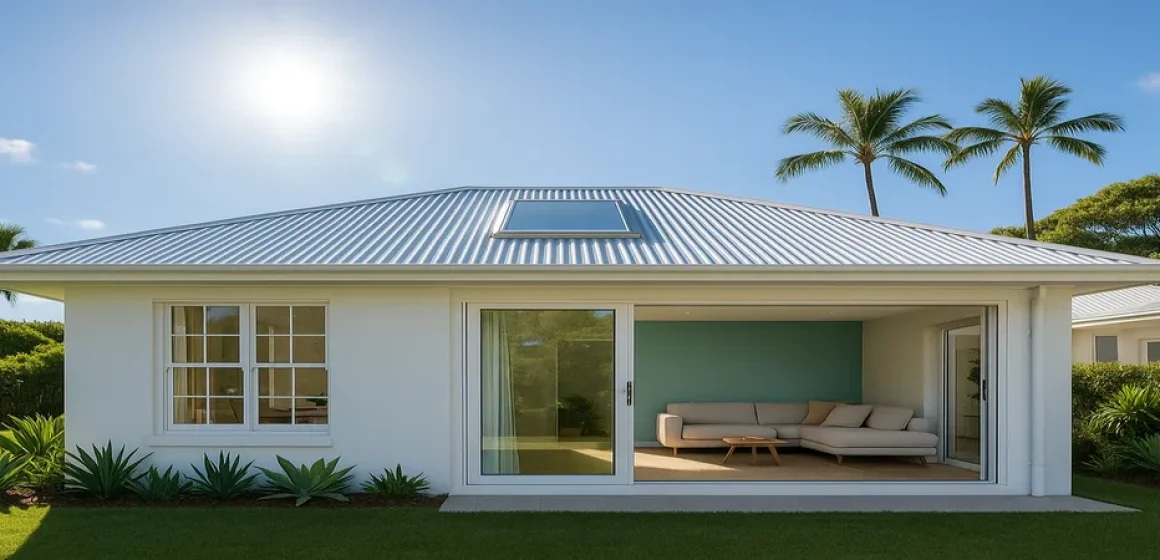
Stretching from the Gold Coast to Cairns, Queensland’s coastal regions boast stunning ocean views, abundant sunshine, and refreshing sea breezes. Yet, these same perks also mean salt-laden air, humidity, and tropical storms can pose unique challenges when installing skylights. In this article, we’ll explore exactly why skylights are perfect for Queensland’s coastal properties, how to choose the right materials, and the maintenance routines that keep them shining year after year.
2. Queensland’s Coastal Climate: Key Factors
- High Humidity and Salt Exposure
- Seaside homes experience a constant influx of salt in the air, which can lead to corrosion of standard metals.
- Humidity levels fluctuate with the wet and dry seasons, demanding robust skylight seals.
- Tropical Storms and Cyclones
- Northern parts of Queensland often face cyclones, bringing heavy rain and strong winds.
- Even in the south, summer storms can be intense—so weatherproofing is non-negotiable.
- High UV Index
- Queensland ranks among the regions with very high UV levels.
- Skylights need UV coatings or tints to reduce heat gain and protect interiors from fading.
Official Reference:
- Bureau of Meteorology (BoM): bom.gov.au – Offers climate data for Queensland’s coastal towns, detailing storm prevalence and UV forecasts.
3. Benefits of Skylights by the Sea
- Maximising Ocean Views
- Well-placed skylights can capture glimpses of the sky and coastal scenery, creating a more open, airy feel.
- High-ceiling beach houses benefit from overhead daylight, blending indoor and outdoor aesthetics.
- Ventilation and Cooling
- Operable skylights expel hot air trapped near the ceiling, leveraging coastal breezes.
- Reduced reliance on air conditioning, especially during milder seasons.
- Amplified Natural Light
- Extra sunlight brightens living spaces, cutting daytime energy consumption.
- Bathrooms and kitchens—often lacking large windows—gain a boost of freshness from above.
- Enhanced Wellbeing
- Studies link abundant natural light to better mood and improved indoor ambience.
- Skylights reduce dampness by increasing airflow and solar warmth, helping combat mildew in humid zones.
4. Essential Features for Coastal Skylights
- Marine-Grade Materials
- Aluminium or Stainless Steel Frames: Coated to resist corrosion from salt air.
- Specialised Flashing: Galvanised or similarly treated to avoid rust.
- UV-Resistant Coatings
- Low-E or Tinted Glass: Filters out harmful UV rays while mitigating heat build-up.
- Double or Triple Glazing: Improves insulation, reducing the strain of Queensland’s intense sun.
- Enhanced Waterproofing and Wind Resistance
- High-Quality Seals and Gaskets: Vital for cyclone-prone areas, preventing leaks during heavy rains.
- Reinforced Frames: Ensure durability against strong coastal gusts.
- Rain and Wind Sensors
- Automated Skylights: Close upon detecting rain or excessive wind speed, safeguarding interior spaces.
- Particularly beneficial in the Far North, where sudden weather changes are common.
Official Reference:
- Queensland Development Code: hpw.qld.gov.au – Contains guidelines for building in coastal and cyclone-prone regions.
5. Visual Overview: Coastal Skylight Must-Haves
|
Key Feature |
Why It Matters in Coastal Queensland |
Recommended Specification |
|
Marine-Grade Frames |
Resists salt-induced corrosion |
Powder-coated aluminium, stainless steel |
|
UV Protective Glazing |
Blocks excessive heat, prevents furniture fading |
Low-E, tinted, or laminated glass |
|
High-Quality Seals |
Prevents leaks during cyclones & tropical downpours |
Silicone-based, tested to AS/NZS 4284 |
|
Rain/Wind Sensor Tech |
Automatically closes skylights in sudden weather changes |
Motorised skylights with built-in sensors |
|
Ventilation Options |
Reduces humidity & traps less heat |
Operable skylights or integrated vents |
(This table is a simplified guide; consult an accredited skylight installer for your home’s specific needs.)
6. Maintenance and Care in Salt-Laden Environments
- Regular Cleaning
- Remove Salt Residue: Gently wash skylight frames with fresh water to prevent corrosion build-up.
- Check Glass Clarity: Clear away sand, salt spray, or debris that can etch glass over time.
- Seal Inspections
- Look for Cracks or Gaps: Salt can degrade seals, leading to leaks or condensation.
- Reapply or Replace Sealants: Coastal homes often require more frequent maintenance intervals than inland properties.
- Hardware Lubrication
- Operable Skylights: Hinges, handles, and motorised parts should be lubricated to maintain smooth operation.
- Rain/Wind Sensors: Keep sensors clear of salt or grime for accurate readings.
- Professional Checks
- Annual Inspections: Hire a licensed technician familiar with coastal conditions for a thorough assessment.
- Warranties & Extended Coverage: Some brands offer specific coverage for sea-facing properties—check documentation.
7. FAQs on Skylights for Coastal Queensland
- Will coastal skylights cost more than standard skylights?
- Typically yes. Marine-grade materials and specialised coatings add to the initial cost. However, the longevity and reduced repair needs usually offset higher upfront expenses.
- How do I prevent rust on skylight frames?
- Opt for corrosion-resistant metals (aluminium, stainless steel) and ensure they’re properly powder-coated or treated. Regular cleaning helps remove salt deposits.
- Are there rebates for upgrading skylights along the coast?
- Some Queensland energy efficiency or home improvement grants may cover portions of high-performance or solar skylights. Check local council websites or the Queensland Government’s environment pages.
- What about cyclone-rated skylights?
- Homes in cyclone zones may require wind-resistant models with reinforced frames and advanced sealing. Confirm compliance with local building codes (e.g., AS/NZS 4284 for weatherproofing).
8. Conclusion
Coastal Queensland offers the perfect backdrop for light-filled interiors, but the humidity, salt-laden air, and potential storms demand thoughtful skylight choices. By prioritising marine-grade frames, UV-resistant glazing, and robust waterproofing, you’ll enjoy the best of seaside living—basking in natural sunlight while maintaining a comfortable, energy-efficient home.
Ready to upgrade your coastal property with skylights?
- Speak with a local installer who understands Queensland’s unique climate and building codes.
Explore official guidelines (like the Queensland Development Code) for safe, compliant installations that stand up to the elements.