Why Skylights Are a Must-Have for Sustainable Living in Australia
Understanding Sustainable Living in Australia
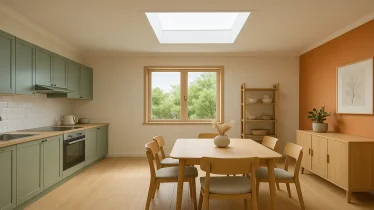
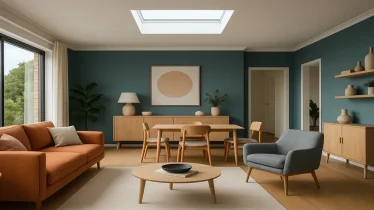
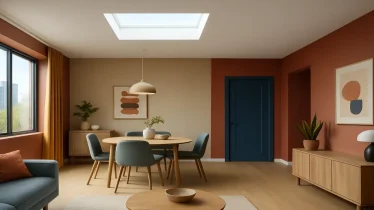
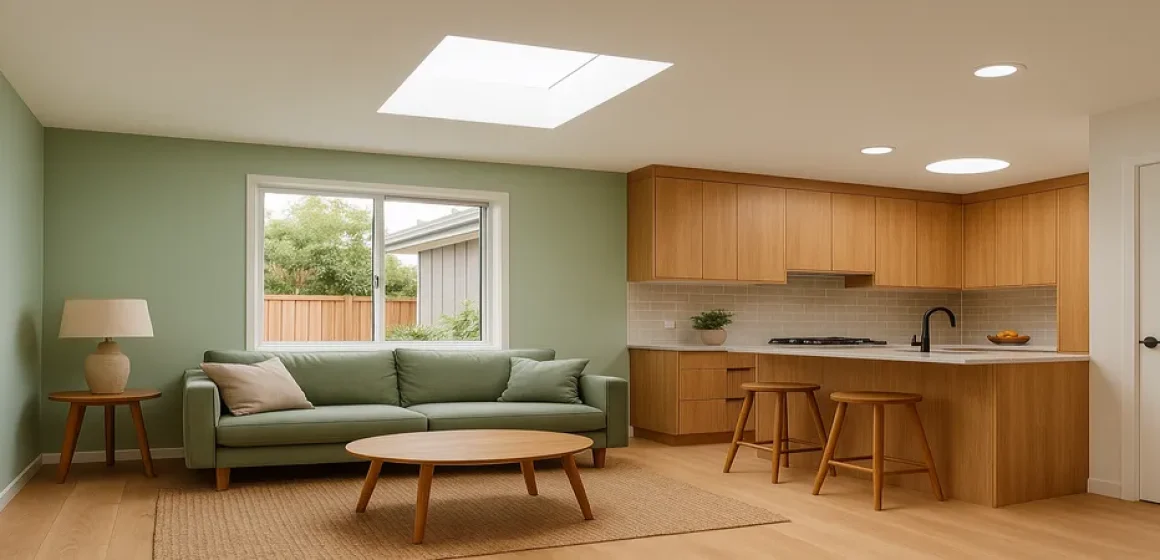
Sustainable living is more than just a buzzword—it’s about balancing comfort and convenience with responsible resource use. In Australia, where the climate can range from tropical heat in Queensland to cooler southern regions like Victoria, homeowners are constantly seeking ways to minimise energy consumption. From solar panels to rainwater harvesting systems, eco-friendly home improvements are on the rise. Among these, sustainable skylights in Australia stand out as an impactful solution that beautifully merges function with environmental responsibility.
- A Growing Trend: With government and council initiatives encouraging greener homes, many Aussies are exploring technologies that reduce carbon footprints.
- Simple Yet Effective: Skylights don’t require extensive renovations and can drastically reduce the need for artificial lighting.
How Skylights Drive Energy Efficiency
- Maximise Natural Light
- Skylights channel abundant daylight into indoor spaces, cutting back on electricity usage. This is especially beneficial in sun-drenched states like Queensland.
- Thermal Regulation
- Advanced skylight designs include glazing and insulation that help maintain a stable indoor temperature, reducing reliance on air conditioning and heating.
- Tip: Look for skylights with low U-values (improved insulation) and appropriate Solar Heat Gain Coefficients (SHGC) to suit Australian conditions.
- Ventilation Benefits
- Ventilated skylights expel hot, stale air, keeping your home cooler in warmer climates—ideal for Queensland summers.
- In Victoria, fresh air circulation from skylights also helps combat mould and mildew during the damp, cooler months.
- Reduced Artificial Lighting
- Even on cloudy days, skylights often provide ample natural light, eliminating the need for daytime artificial lighting in many parts of the home.
Reducing Your Carbon Footprint with Natural Lighting
Embracing eco-friendly home improvements means selecting features that not only save energy but also lessen environmental impact. By allowing sunlight to illuminate interiors:
- Lower Energy Consumption: Reduced use of electric lights and fans translates to lower power bills and fewer greenhouse gas emissions.
- Healthier Living Spaces: Exposure to natural light can improve mental well-being and productivity, making your home more inviting.
- Sustainable Building Practices: Skylight installations can often be integrated into existing structures without major construction, minimising waste and resource usage.
Choosing the Right Skylight for Eco-Conscious Homes
- Glazing and Materials
- Opt for double-glazed skylights or those with low-emissivity (Low-E) coatings to limit heat transfer.
- UV coatings help block harmful rays while still letting in plenty of daylight.
- Ventilated vs. Fixed Skylights
- Ventilated Skylights: Recommended for kitchens and bathrooms to improve air quality and reduce humidity.
- Fixed Skylights: Best suited for living rooms, corridors, or any area where additional ventilation isn’t required.
- Tubular Skylights
- A superb choice for smaller or enclosed spaces, like walk-in wardrobes or hallways, delivering focused natural light while minimising heat gain or loss.
- Smart Features
- Automated blinds or sensors help maintain optimum light and temperature levels.
- Some models integrate with rain sensors, automatically closing if wet weather arrives.
Skylight Design Tips for Different Australian Climates
- Tropical and Subtropical Regions (e.g., Queensland)
- Go for tinted or reflective coatings to minimise glare and overheating.
- Consider rain-sensor technology to shield interiors from sudden downpours.
- Cooler Southern States (e.g., Victoria)
- Coastal Homes
- Choose corrosion-resistant flashing and hardware to withstand salt-laden air.
- Ensure strong weatherproofing to handle storms and high winds.
- Bushfire-Prone Areas
- Investigate bushfire-rated skylight designs to comply with local regulations (e.g., specific roof sarking requirements).
Common Concerns and Myths About Skylights
- “Skylights Always Leak”
- Modern skylights, when installed correctly, use high-quality flashing and seals to prevent leaks. Regular maintenance further mitigates risk.
- “They Let in Too Much Heat”
- Advanced glazing and ventilation features can actually keep homes cooler, provided you choose the right specifications.
- “They’re Only for Large Homes”
- Even small apartments or townhouses benefit from tubular skylights or strategically placed fixed skylights.
- “Skylights Are Too Expensive”
- Upfront costs vary, but energy savings, improved home value, and potential rebates can offset these expenses over time.
FAQs on Skylights and Sustainability
- Do skylights help with solar heating in winter?
- Yes. Properly positioned skylights can capture warmth from the sun, reducing heating costs in cooler climates like Victoria.
- Can skylights contribute to passive cooling in summer?
- Ventilated skylights release hot air near the ceiling, lowering indoor temperatures in places like Queensland.
- Are there government incentives for installing skylights?
- Some local councils or state programmes offer rebates or incentives for energy-efficient home improvements. Check with your council for details.
- What’s the maintenance like?
- Most skylights only require semi-annual cleaning and seal checks. This ensures optimal performance and prevents issues like leaks.
Conclusion
Sustainable skylights in Australia are far more than just an aesthetic addition; they’re a strategic investment toward an eco-friendly, cost-efficient home. By harnessing natural daylight and ventilation, skylights help reduce energy consumption, improve indoor air quality, and promote a healthier living environment. Whether you’re in steamy Queensland or cooler Victoria, there’s a skylight solution designed to make your home more sustainable and comfortable.
Ready to embrace greener living?
Contact certified skylight professionals near you to find the perfect skylight solution for your eco-conscious Australian home!